
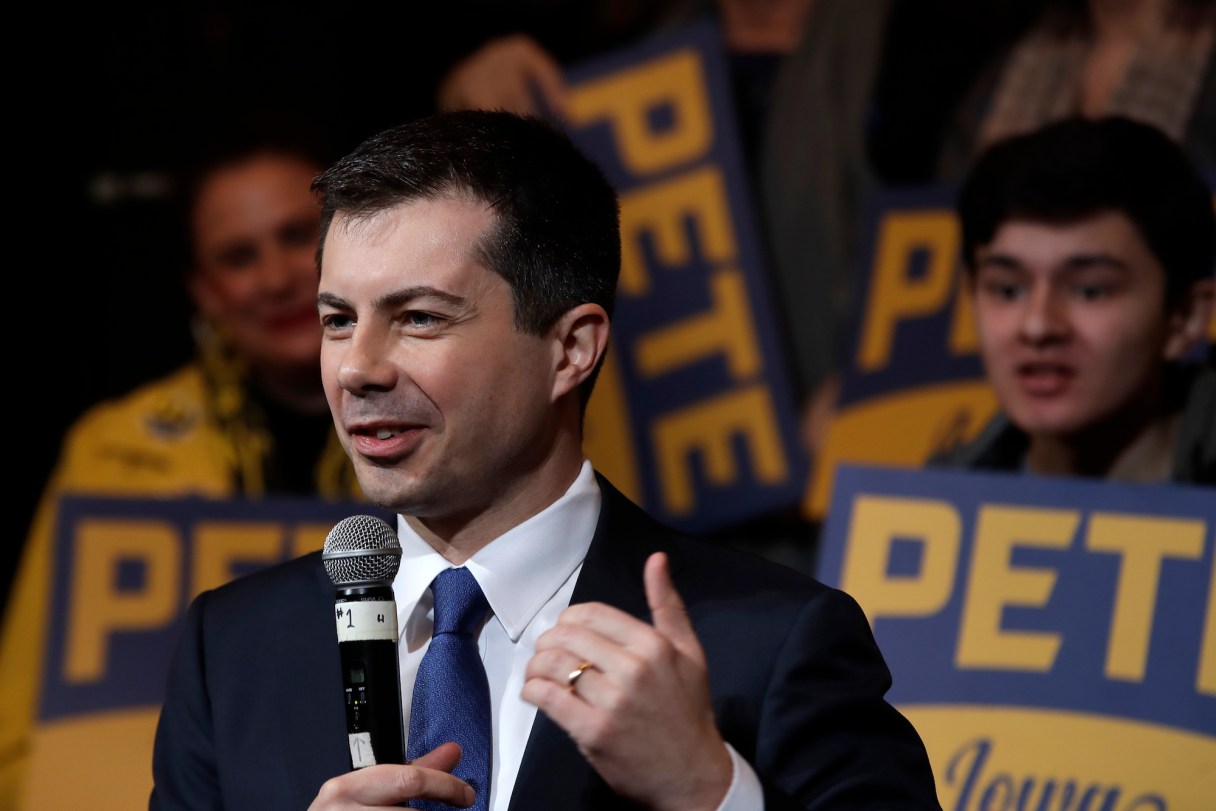
“For all the thunder on the Bernie Sanders left, the most interesting trend in the Democratic campaign this year may be the reemergence of the moderate wing of the party, led by charismatic new voices: former South Bend, Indiana, mayor Pete Buttigieg and Minnesota Sen. Amy Klobuchar.”
So begins a recent column by David Ignatius of The Washington Post, who goes on to name other members of Congress he considers “moderate.”
The media attach labels to politicians who reflect their political and social views. Those labels have included “right-wing,” “extreme right-wing” “far-right,” “out of the mainstream,” and when reporting on religion, “fundamentalist.”
Occasionally a politician will be described as “liberal,” but usually in the context of a policy or personality a media person regards favorably. People most conservatives consider extreme left, like Rep. Alexandria Ocasio-Cortez, D-New York, never seem to be labeled as such by mainstream media.
Labels have an effect on how news consumers and the general public view a person, especially since negative labels such as “intolerant” “racist” and “sexist” are their frequent etymological companions if one is conservative.