
Reason and benevolence may yet prevail.
On Feb. 26, board members of the Downtown Business Improvement District (BID) will revisit their earlier decision to assess the four nonprofit organizations within the BID boundary. That is good news.
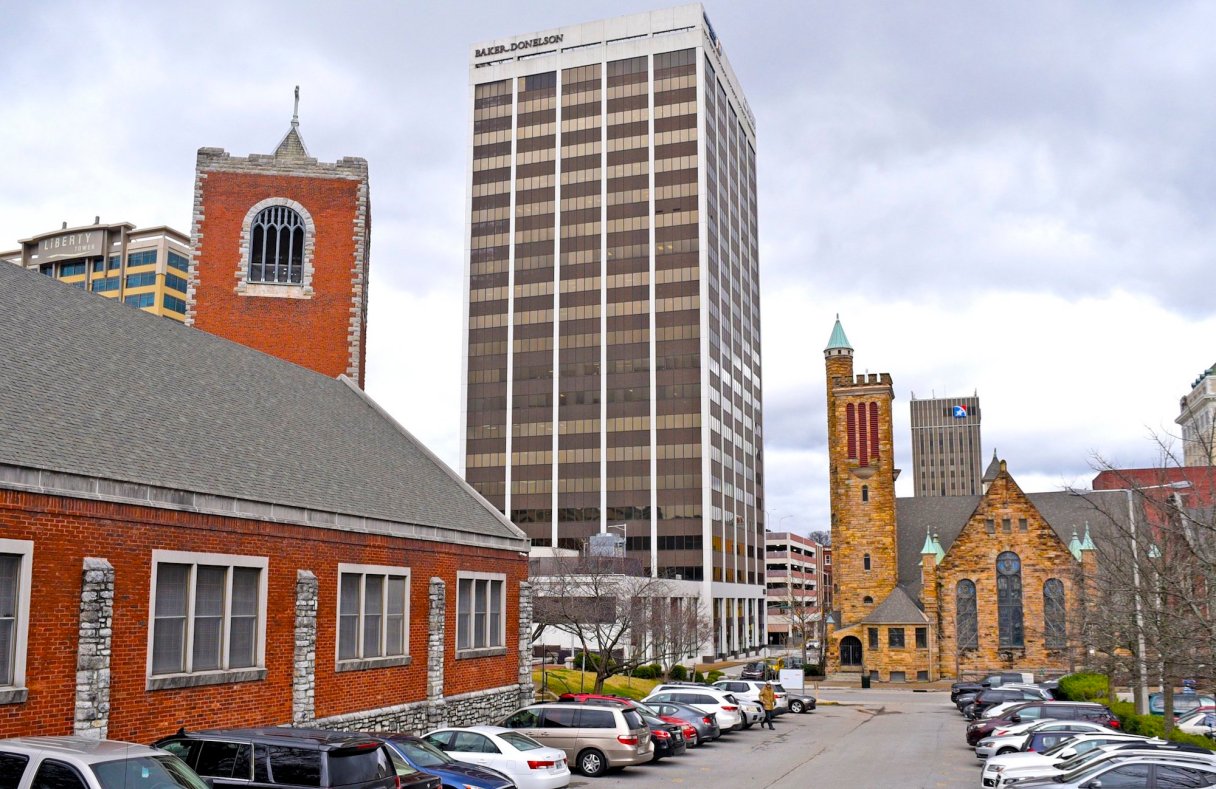
As it stands now, the new BID board is prepared to assess the YMCA, the United Way, St. Paul’s Episcopal Church and Second Presbyterian Church. Each of these entities has been deemed tax-exempt by the state.
Had Chattanooga followed the lead of some other cities in developing its BID assessment formula, this would not be an issue. Nashville’s ordinance, for example, says that the assessment applies only to taxable real property, making it clear it does not apply to tax-exempt nonprofits and government-owned properties.
In Chattanooga, commercial and nonprofit landowners in the BID area are set to pay an annual assessment of 9 cents per square foot, of either the lot or building size, whichever is greater, plus $4.95 per linear foot of lot frontage. Residential property owners with townhouses or condominiums would pay a flat annual fee of $150 per unit.