

Thursday, October 29, 2026Oct 29

This story is free to read.

Cooper: Ascribing White culturing, and hurting Blacks in process, not the way to effect change

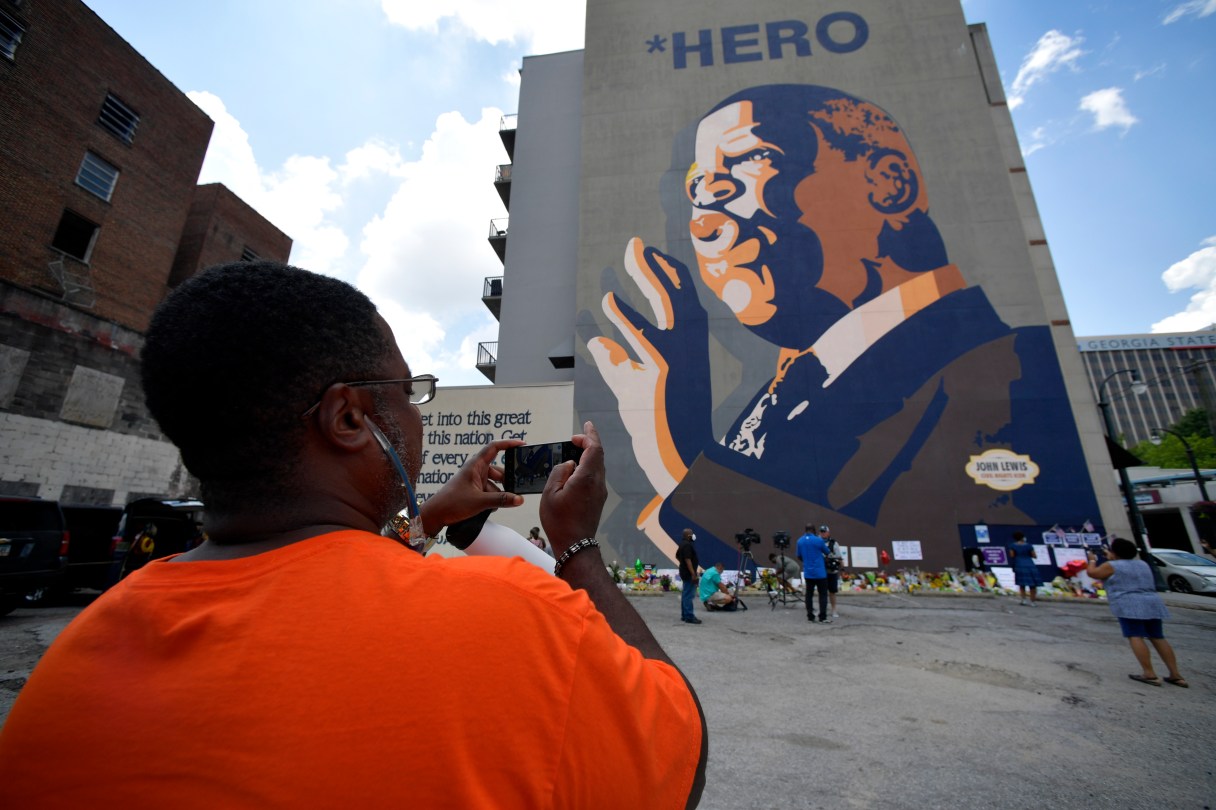
People gather at a make-shift memorial near the home of Rep. John Lewis, D-Ga., Sunday, July 19, 2020, in Atlanta. Lewis, who died Friday at age 80, was the youngest and last survivor of the Big Six civil rights activists who organized the 1963 March on Washington, and spoke shortly before the group's leader, Rev. Martin Luther King Jr., gave his "I Have a Dream" speech to a vast sea of people. (AP Photo/Mike Stewart)
People gather at a make-shift memorial near the home of Rep. John Lewis, D-Ga., Sunday, July 19, 2020, in Atlanta. Lewis, who died Friday at age 80, was the youngest and last survivor of the Big Six civil rights activists who organized the 1963 March on Washington, and spoke shortly before the group's leader, Rev. Martin Luther King Jr., gave his "I Have a Dream" speech to a vast sea of people. (AP Photo/Mike Stewart) People gather at a make-shift memorial near the home of Rep. John Lewis, D-Ga., Sunday, July 19, 2020, in Atlanta. Lewis, who died Friday at age 80, was the youngest and last survivor of the Big Six civil rights activists who organized the 1963 March on Washington, and spoke shortly before the group's leader, Rev. Martin Luther King Jr., gave his "I Have a Dream" speech to a vast sea of people. (AP Photo/Mike Stewart)

In these current polarizing times, where improved race relations should be the goal, the Smithsonian Institution’s National Museum of African American History and Culture recently took the ideal two steps backwards.

In online material surrounding the topic “Talking About Race,” the museum posted a chart titled “Aspects & Assumptions of Whiteness & White Culture in the United States,” suggesting the nuclear family, hard work, Christianity, being on time and politeness are manifestations of whiteness.

Somehow, we don’t think this is what the late U.S. Rep. John Lewis and the Rev. C.T. Vivian, two icons of the civil rights struggle who died on the same day last week, had in mind in their fight for equality.

The chart, which was posted just days after Black suspect George Floyd died at the hands of white Minneapolis cops in late May, was recently taken down, and museum officials have apologized for its message.

“[It] does not contribute to the productive discussion we had intended,” they said.