
Q: I’m pregnant. Am I at higher risk of getting coronavirus? Is my baby safe from infection?
A: It is not yet known if women expecting a child are at greater risk for serious illness from COVID-19 than the general population. Broadly speaking, however, pregnancy can always trigger changes in a woman’s body that may increase the risk of certain infections. Pregnant women have generally shown a greater chance of developing severe illness from similar coronaviruses, influenza and other viral respiratory infections, so they should be especially diligent about following measures to protect themselves from catching the virus.
It is always important for pregnant women to safeguard themselves from illness. Therefore, the advice for expecting mothers is to exercise the same precautions as others: Wash your hands frequently; avoid people who are sick; practice social distancing; and cover your mouth and nose with a facial covering or mask when you are around others. And if you haven’t been aware of your risk of exposure to serious illness before pregnancy, then it’s a good time to start.
We can’t overemphasize the importance of continuing to follow your doctor’s advice about your pregnancy and to be sure you keep all of your medical appointments both during and after your pregnancy.
We also don’t know if COVID-19 can be passed from the mother to the fetus or newborn child, or if a mother’s infection poses a health risk to her child once born. Also, there has been no established causal relationship between the virus and reported problems with pregnancy and/or delivery among infected women. However, it is reasonable to assume there is some risk of a newborn catching the disease from the mother if she has it, so any pregnant woman who is diagnosed with COVID-19 should have a frank discussion with her physician or practitioner about how to protect her newborn after birth.
The extent to which breastfeeding may represent a risk between a symptomatic mother and her newborn child is also unknown. The decision to do so should be made with the guidance of your physician. Breast milk is an important source of nutrition for newborn children. If your physician believes you can breastfeed your newborn safely, it will likely be with additional preventive measures, and you may be advised to use a breast pump until you are no longer contagious.
For answers to additional questions, please consult the CDC website (https://www.cdc.gov/coronavirus/2019-ncov/need-extra-precautions/pregnancy-breastfeeding.html) or the Health Department website at health.hamiltontn.org. You can also call the Hamilton County Health Department COVID-19 Hotline at 423-209-8383.
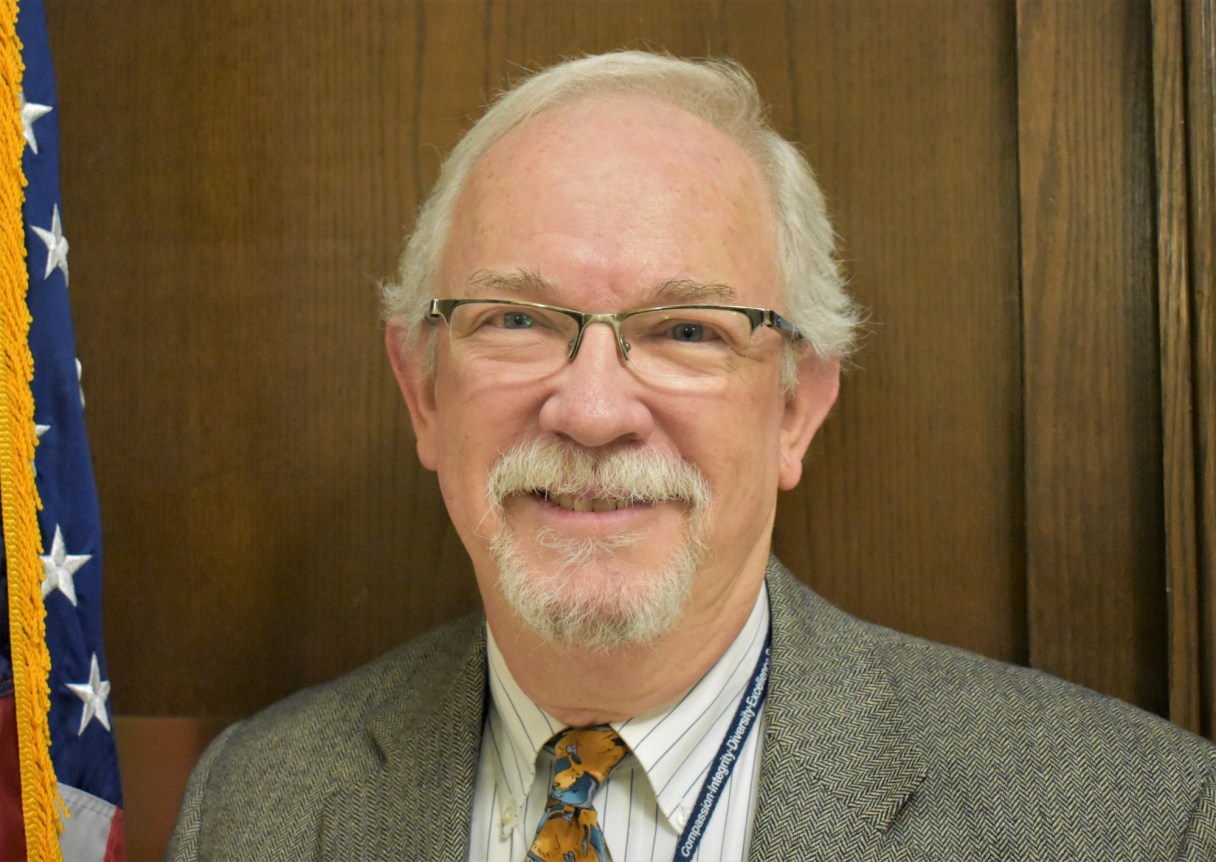
Dr. Paul M. Hendricks is health officer for the Hamilton County Health Department and a member of the Chattanooga-Hamilton County Medical Society.