
TEHRAN, Iran (AP) – Iran issued its most dire warning yet Tuesday about the outbreak of the new coronavirus ravaging the country, suggesting “millions” could die in the Islamic Republic if the public keeps traveling and ignoring health guidance.
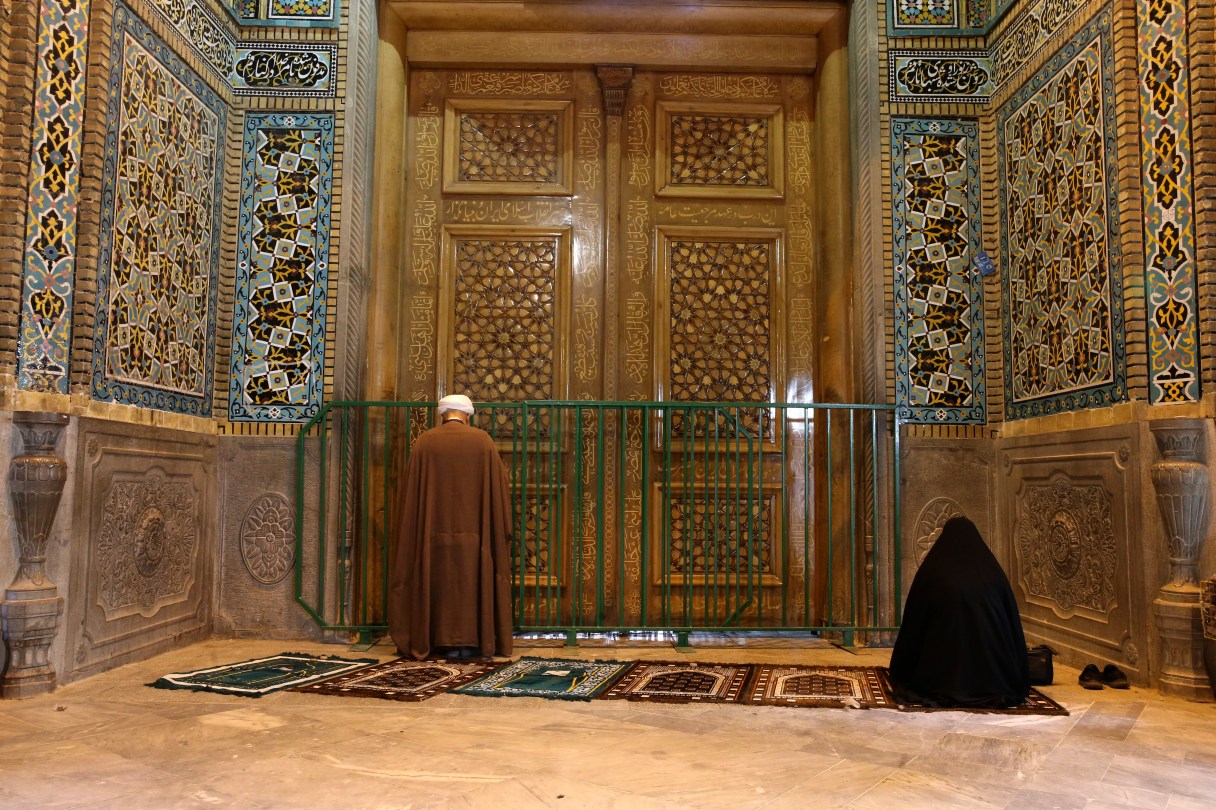
A state television journalist who also is a medical doctor gave the warning only hours after hard-line Shiite faithful the previous night pushed their way into the courtyards of two major shrines that had just been closed over fears of the virus. Meanwhile, Iran’s supreme leader issued a religious ruling prohibiting “unnecessary” travel in the country.
Roughly nine out of 10 of the over 18,000 cases of the new virus confirmed across the Middle East come from Iran, where authorities denied for days the risk the outbreak posed. Officials have now implemented new checks for people trying to leave major cities ahead of Nowruz, the Persian New Year, on Friday, but have hesitated to quarantine the areas.
That’s even as the death toll in Iran saw another 13% increase Tuesday. Health Ministry spokesman Kianoush Jahanpour said the virus had killed 135 more people to raise the total to 988 amid over 16,000 cases. Jordan meanwhile prepared for a shutdown of its own over the virus, banning gatherings drawing more than 10 people, as neighboring Israel issued its own strict new guidelines for life under the coronavirus threat.
Most people infected by the new coronavirus experience only mild or moderate symptoms, such as fever and cough, and recover within weeks. But the virus is highly contagious and can be spread by people with no visible symptoms. For some, especially older adults and people with existing health problems, it can cause more severe illness, including pneumonia.