
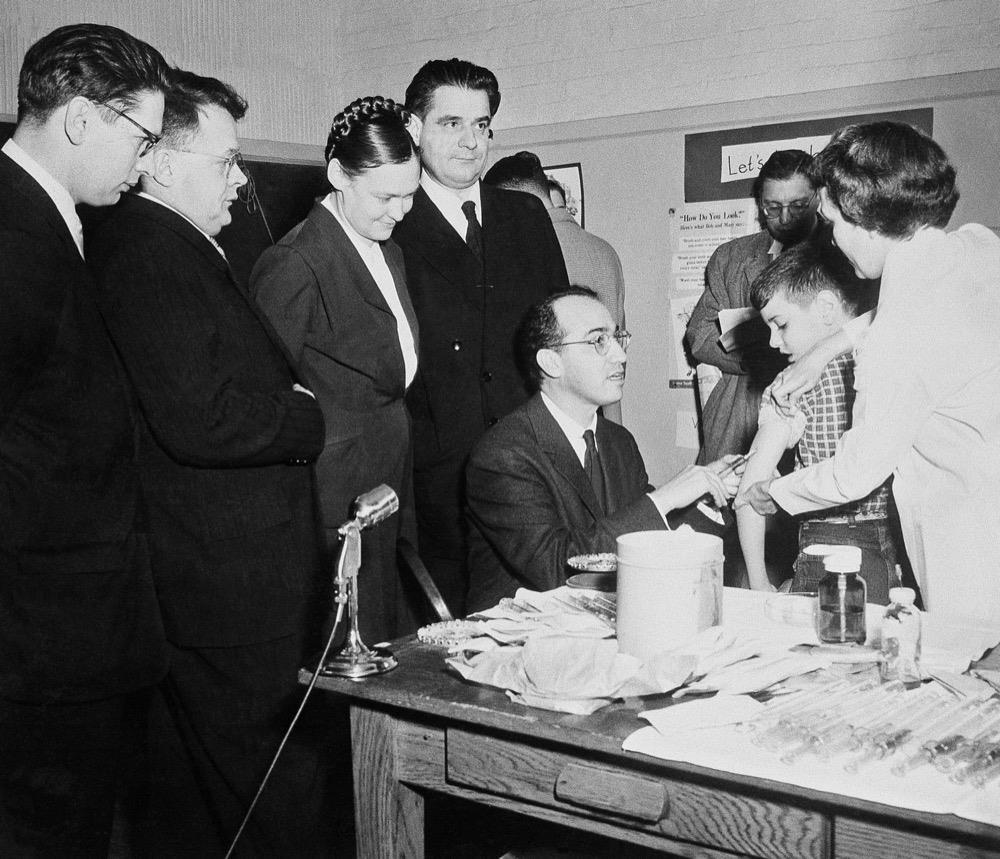

Social distancing is a new concept for Americans born in the 21st century and late 20th century, but it was a practice rigidly used by diligent parents as recently as the early 1950s during the scourge of a different virus.
We know polio today as a vaccine-preventable illness caused by the poliovirus that has been eliminated in all but a few countries, but that was not the case in the U.S. less than 70 years ago.
A man of a certain age reminded us of that recently in a conversation about today’s social distancing surrounding the outbreak of the coronavirus in this country.
“Mother wouldn’t let us go to the pool,” he said of his childhood in the early 1950s, “and the lake? That was out of the question.”
So, yeah, social distancing? Americans have done that before in taking precautions against a virus and by doing so cut down on its spread. We can do it again, though we can agree it’s neither fun nor convenient. But if doing so helps prevent hundreds of thousands of deaths of our neighbors, we should do so gladly.