
Monday, November 9, 2026Nov 9

They already had an anxiety disorder. Now comes the coronavirus pandemic.

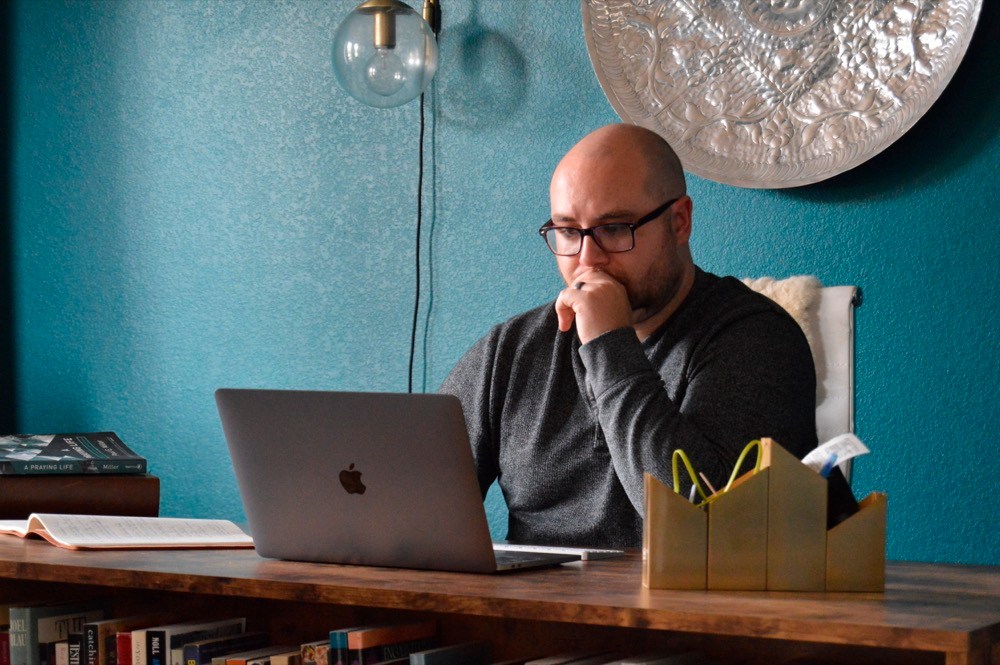
In this photo provided by Brett Seidl, Jonathon Seidl sits in his home office in Dallas on Wednesday, March 18, 2020. He said he wasn't worried about the coronavirus despite his anxiety disorder. But that changed. The 33-year-old digital media strategist, who takes medication, said his concern was less about getting sick than about the battering the economy could sustain. Would he be able to feed his family? Would there be a run on food stores? He could not shake his worries. (Brett Seidl via AP)
In this photo provided by Brett Seidl, Jonathon Seidl sits in his home office in Dallas on Wednesday, March 18, 2020. He said he wasn't worried about the coronavirus despite his anxiety disorder. But that changed. The 33-year-old digital media strategist, who takes medication, said his concern was less about getting sick than about the battering the economy could sustain. Would he be able to feed his family? Would there be a run on food stores? He could not shake his worries. (Brett Seidl via AP) In this photo provided by Brett Seidl, Jonathon Seidl sits in his home office in Dallas on Wednesday, March 18, 2020. He said he wasn't worried about the coronavirus despite his anxiety disorder. But that changed. The 33-year-old digital media strategist, who takes medication, said his concern was less about getting sick than about the battering the economy could sustain. Would he be able to feed his family? Would there be a run on food stores? He could not shake his worries. (Brett Seidl via AP)

NEW YORK (AP) – At first, Jonathon Seidl wasn’t worried about the coronavirus despite his anxiety disorder. But that changed.

The 33-year-old digital media strategist from Dallas, who takes medication, said his concern was less about getting sick than about the battering the economy could sustain. Would he be able to feed his family? Would there be a run on food stores? He could not shake his worries.

So he paced. His heart raced. He wanted to go to bed early “because sleep was the only respite.” But his sleep was rarely restful. “I would wake up during the night,” he said.

The pandemic is worrisome enough for most people. For those with anxiety disorders, it presents a special challenge, especially if they are not receiving treatment.

That’s the case for about two-thirds of people with anxiety disorders, says Dr. Bruce Schwartz, president of the American Psychiatric Association. “Those are the ones I’m worried about,” he said.