
Monday, November 9, 2026Nov 9

In drastic move, Italy shuts most factories to halt coronavirus

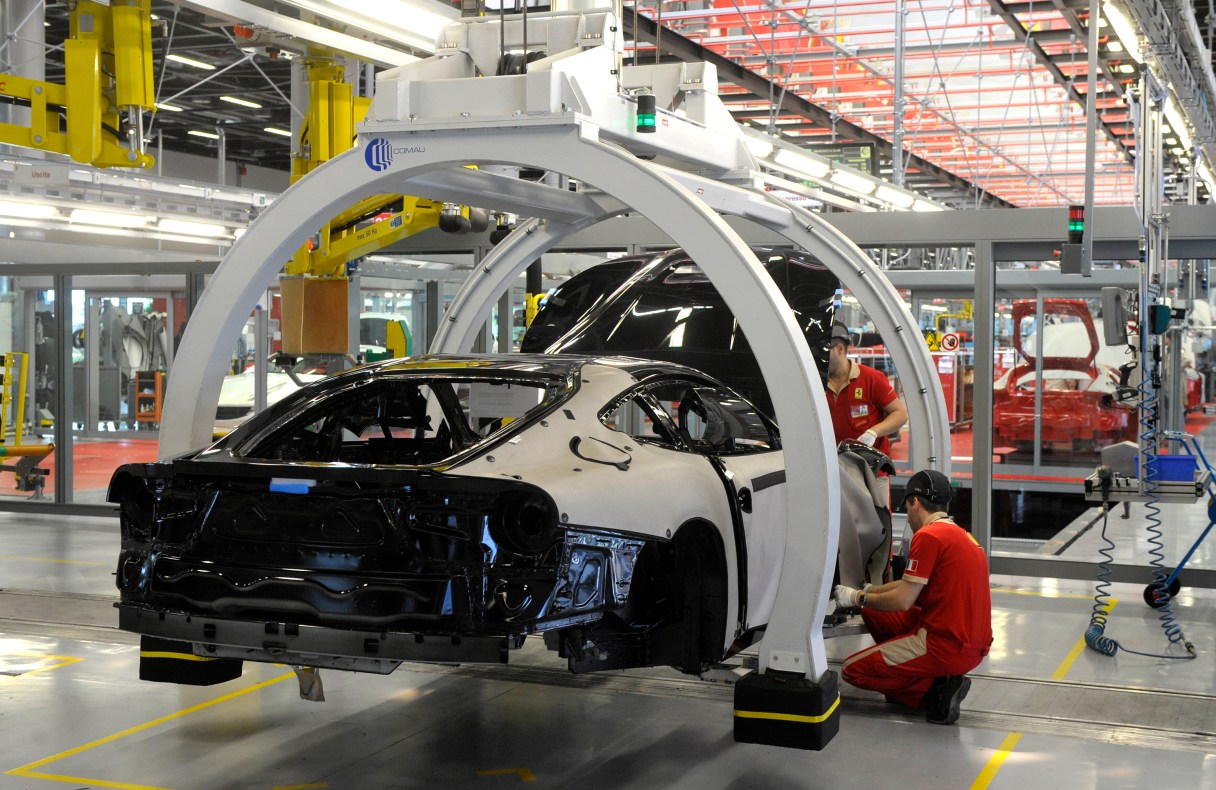
FILE - In this Wednesday, May 8, 2013 file photo, a technician works at the Ferrari department factory in Maranello, Italy. The eurozone's third-largest economy and a major exporter, Italy on Wednesday becomes the first western industrialized nation to idle swaths of industrial production to stop the spread of coronavirus by keeping yet more of the population at home. The new coronavirus causes mild or moderate symptoms for most people, but for some, especially older adults and people with existing health problems, it can cause more severe illness or death. (AP Photo/Marco Vasini, File)
FILE - In this Wednesday, May 8, 2013 file photo, a technician works at the Ferrari department factory in Maranello, Italy. The eurozone's third-largest economy and a major exporter, Italy on Wednesday becomes the first western industrialized nation to idle swaths of industrial production to stop the spread of coronavirus by keeping yet more of the population at home. The new coronavirus causes mild or moderate symptoms for most people, but for some, especially older adults and people with existing health problems, it can cause more severe illness or death. (AP Photo/Marco Vasini, File) FILE - In this Wednesday, May 8, 2013 file photo, a technician works at the Ferrari department factory in Maranello, Italy. The eurozone's third-largest economy and a major exporter, Italy on Wednesday becomes the first western industrialized nation to idle swaths of industrial production to stop the spread of coronavirus by keeping yet more of the population at home. The new coronavirus causes mild or moderate symptoms for most people, but for some, especially older adults and people with existing health problems, it can cause more severe illness or death. (AP Photo/Marco Vasini, File)

Soave, Italy (AP) – Italy has become the first western developed nation to idle most of its industry to halt the spread of the coronavirus, a potential cautionary tale for other governments, such as the Trump administration, that are resisting such drastic measures.

After more than two weeks of a nationwide lockdown, the Italian government decided to expand the mandatory closure of nonessential commercial activities to heavy industry in the eurozone’s third-largest economy, a major exporter of machinery, textiles and other goods.

The move by Italy, which is leading the globe in virus deaths, is more in line with draconian measures taken by China than with declarations coming out of other democratic partners, who are at least a week or two behind Italy’s rate of virus infections.

The industrial closures put in stark contrast concerns over protecting lives in a country with an especially vulnerable aging population against fears of hurting an economy that already was on the brink of recession.

The industrial lobby Confindustria estimates a cost of 70 billion to 100 billion euros ($77 billion-$110 billion) of national wealth a month if 70% of companies are closed, as anticipated. Though some big companies had already suspended activities, thousands of smaller manufacturers had continued after adopting new safety regulations, and will now shut down.