
Tuesday, November 10, 2026Nov 10

Trump administration moves ahead on gutting bird protections

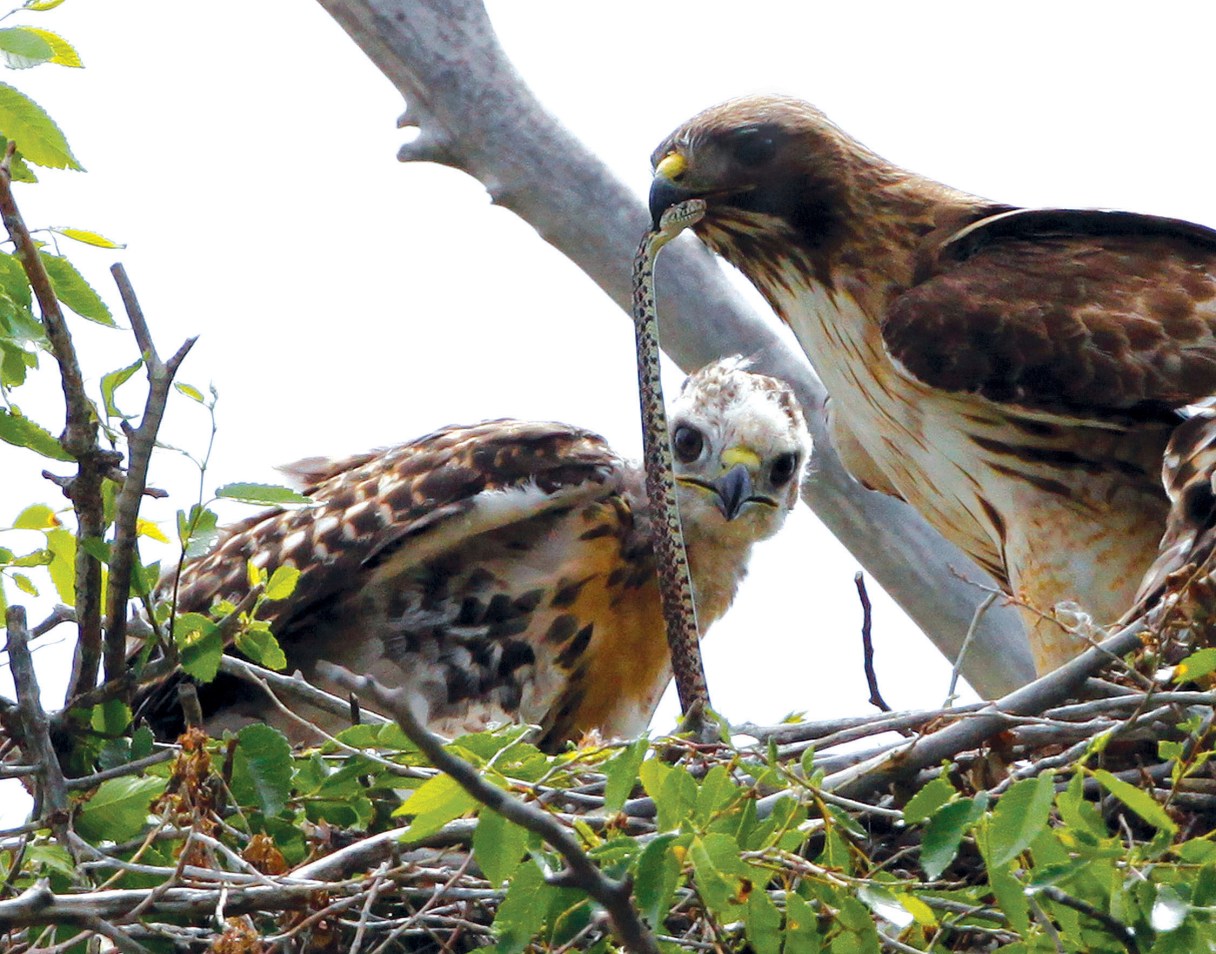
This June 5, 2009, file photo shows a Redtail hawk feeding a snake to one of her young ones nested at the Rocky Mountain Wildlife Refuge in Commerce City, Colo. The Trump administration moved forward Friday, Nov. 27, 2020, on gutting a longstanding federal protection for the nation's birds, over objections from former federal officials and many scientists that billions more birds will likely perish as a result. (AP Photo/Ed Andrieski, File)
This June 5, 2009, file photo shows a Redtail hawk feeding a snake to one of her young ones nested at the Rocky Mountain Wildlife Refuge in Commerce City, Colo. The Trump administration moved forward Friday, Nov. 27, 2020, on gutting a longstanding federal protection for the nation's birds, over objections from former federal officials and many scientists that billions more birds will likely perish as a result. (AP Photo/Ed Andrieski, File) This June 5, 2009, file photo shows a Redtail hawk feeding a snake to one of her young ones nested at the Rocky Mountain Wildlife Refuge in Commerce City, Colo. The Trump administration moved forward Friday, Nov. 27, 2020, on gutting a longstanding federal protection for the nation's birds, over objections from former federal officials and many scientists that billions more birds will likely perish as a result. (AP Photo/Ed Andrieski, File)

The Trump administration moved forward Friday on gutting a longstanding federal protection for the nation’s birds, over objections from former federal officials and many scientists that billions more birds will likely perish as a result.

The U.S. Fish and Wildlife Service published its take on the proposed rollback in the Federal Register. It’s a final step that means the change – greatly limiting federal authority to prosecute industries for practices that kill migratory birds – could be made official within 30 days.

The wildlife service acknowledged in its findings that the rollback would have a “negative” effect on the many bird species covered by the 1918 Migratory Bird Treaty Act, which range from hawks and eagles to seabirds, storks, songbirds and sparrows.

The move scales back federal prosecution authority for the deadly threats migratory birds face from industry – from electrocution on power lines, to wind turbines that knock them from the air and oil field waste pits where landing birds perish in toxic water.

Industry operations kill an estimated 450 million to 1.1 billion birds annually, out of roughly 7 billion birds in North America, according to the U.S. Fish and Wildlife Service and recent studies.