
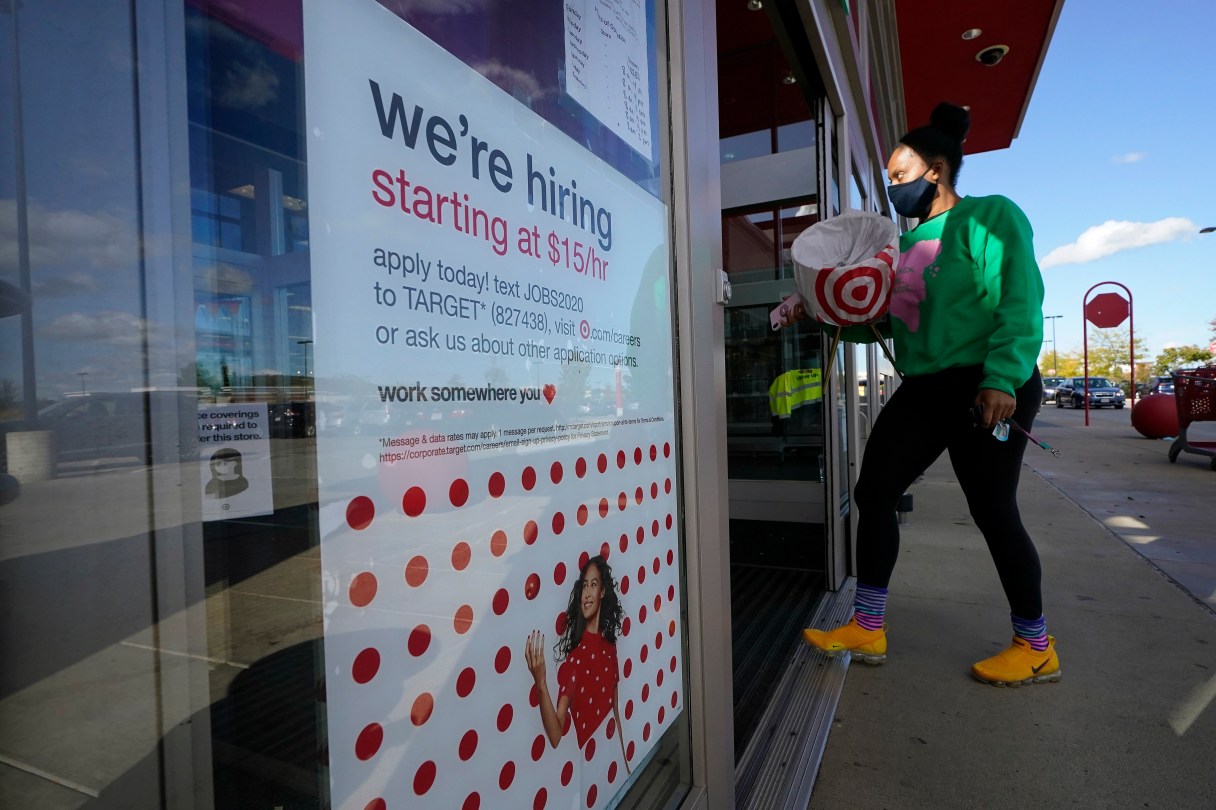
Unemployment in the Chattanooga area dropped last month to the lowest level in six months as employers added back 24,000 jobs since the coronavirus shut down much of the local economy this spring.
The jobless rate in metro Chattanooga fell from 6.8% in August to 5.1% last month as schools, restaurants and other businesses reopened or expanded operations. Chattanooga’s unemployment rate was well below both the comparable 6.2% statewide unemployment rate and the 7.7% U.S. unemployment rate during September.
“The job market is improving in Tennessee and we are doing better than many parts of the country,” said Dr. Bill Fox, director of the Boyd Center for Business and Economic Research at the University of Tennessee. “But it will still take some time to recover all of the jobs we have lost during this pandemic.”
Last month, the number of employed persons in the 6-county Chattanooga metro area was still 7,012 below a year ago even after the record job gains since April.
Unemployment in the Chattanooga area spiked to a record high of 13.3% in April after falling to post-World War II lows last fall and early this year.