
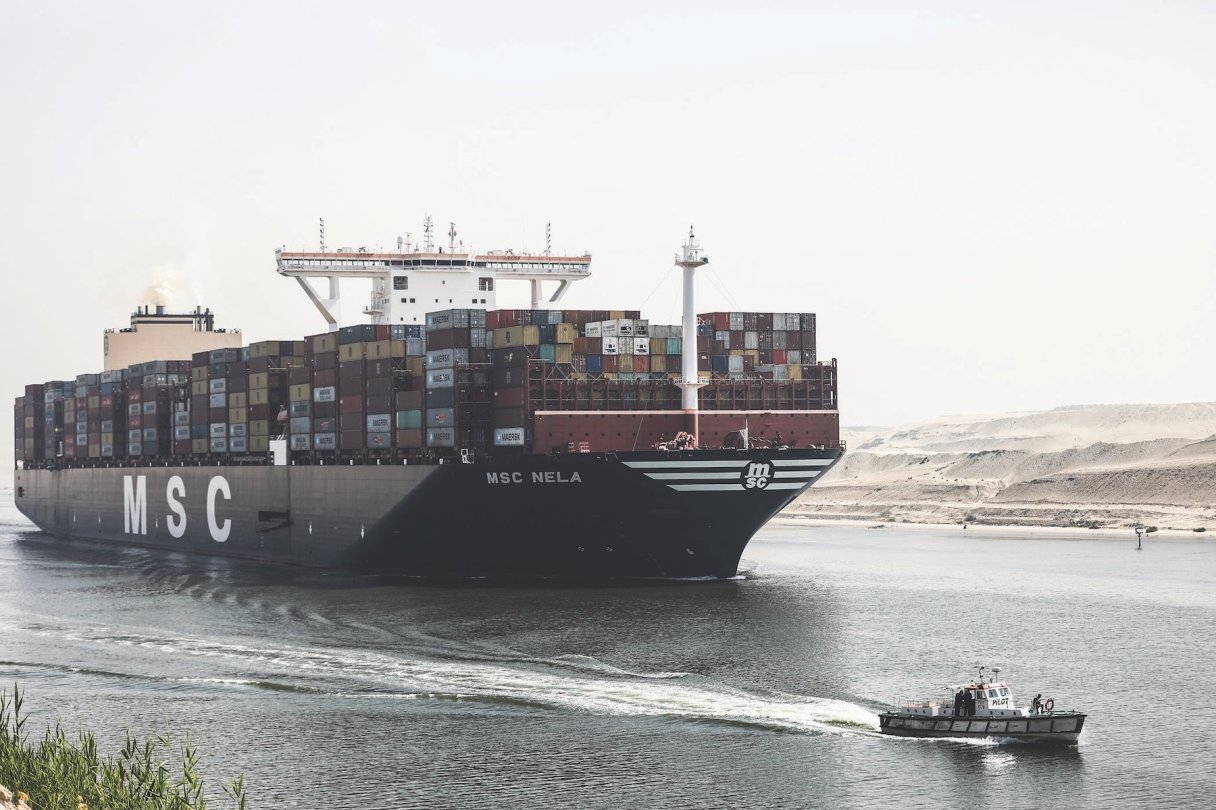
Container ships stretch far out into the Pacific, waiting days for their turn to unload goods at California ports. Automakers pause production because they can’t get enough of the computer chips that make a modern car work. Long-dormant restaurants finally see a surge of customer demand, but they can’t find enough cooks.
These are all headlines of recent days and they have one thing in common: They show how America’s great economic challenge has turned 180 degrees in a breathtakingly short time.
Just a few months ago, the nation faced an enormous shortage of demand for goods and services, which threatened to prolong the pandemic-induced downturn long beyond the point at which the virus was contained. The central economic problem of 2021 is looking like the polar opposite. Businesses are beginning to face the challenge of producing adequate supplies of goods and services – whether of lumber or of cold beer – to satiate that resurgent demand.
Huge swaths of the economy shut down last spring and are now being turned back on. But as roughly 3 million Americans are vaccinated per day and nearly $3 trillion in federal money courses through the economy, it is an open question how long it will take businesses to get up to speed. Their collective success or failure will determine whether this is a year of Goldilocks economic conditions or a frustrating mix of price spikes and persistent shortages.
“The global economy is vulnerable because it never really recovered,” said Nada Sanders, a professor of supply chain management at Northeastern University. “There is massive pent-up consumer demand, but it’s important to have supply and demand connected because when you have a supply shortage you don’t have the products consumers want.”