
Monday, November 9, 2026Nov 9

Iran blames Israel for sabotage at Natanz nuclear site

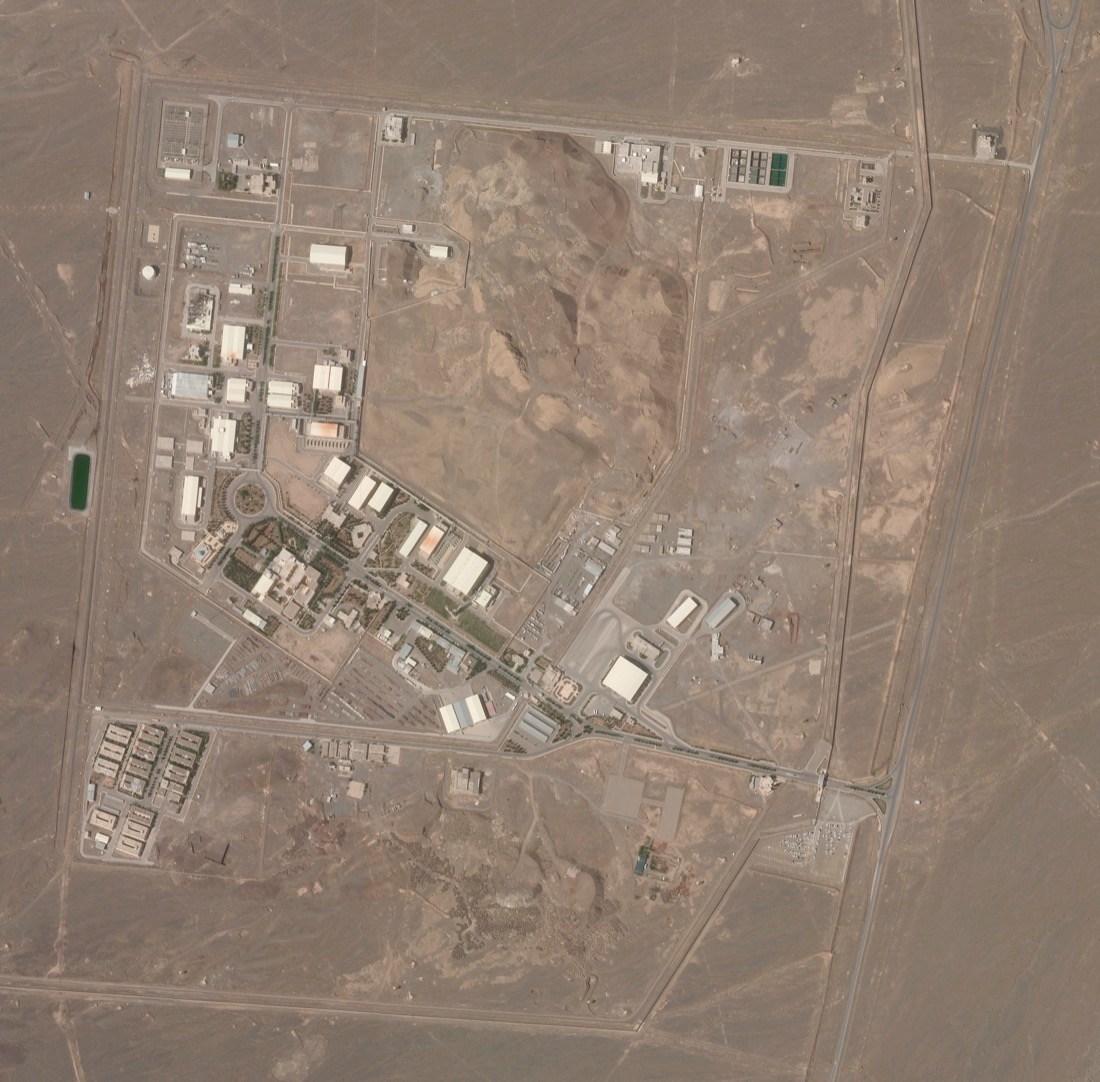
This satellite photo from Planet Labs Inc. shows Iran's Natanz nuclear facility on Wednesday, April 7, 2021. Iran's Natanz nuclear site suffered a problem Sunday, April 11, involving its electrical distribution grid just hours after starting up new advanced centrifuges that more quickly enrich uranium, state TV reported. It was the latest incident to strike one of Tehran's most-secured sites amid negotiations over the tattered atomic accord with world powers. (Planet Labs Inc. via AP)
This satellite photo from Planet Labs Inc. shows Iran's Natanz nuclear facility on Wednesday, April 7, 2021. Iran's Natanz nuclear site suffered a problem Sunday, April 11, involving its electrical distribution grid just hours after starting up new advanced centrifuges that more quickly enrich uranium, state TV reported. It was the latest incident to strike one of Tehran's most-secured sites amid negotiations over the tattered atomic accord with world powers. (Planet Labs Inc. via AP) This satellite photo from Planet Labs Inc. shows Iran's Natanz nuclear facility on Wednesday, April 7, 2021. Iran's Natanz nuclear site suffered a problem Sunday, April 11, involving its electrical distribution grid just hours after starting up new advanced centrifuges that more quickly enrich uranium, state TV reported. It was the latest incident to strike one of Tehran's most-secured sites amid negotiations over the tattered atomic accord with world powers. (Planet Labs Inc. via AP)

DUBAI, United Arab Emirates (AP) – Iran blamed Israel on Monday for an attack on its underground Natanz nuclear facility that damaged its centrifuges – sabotage that imperils ongoing talks over Tehran’s tattered nuclear deal and brings a shadow war between the two countries into the light.

Israel has not claimed responsibility for the attack, but Israeli media widely reported that the country had orchestrated a devastating cyberattack that caused a blackout at the nuclear facility. Israeli officials rarely acknowledge operations carried out by the country’s secret military units or its Mossad intelligence agency.

While the nature of the attack and the extent of the damage at Natanz remains unclear, a former Iranian official said the assault set off a fire while a spokesman mentioned a “possible minor explosion.”

The attack also further strains relations between the U.S., which under President Joe Biden is now negotiating in Vienna to re-enter the nuclear accord, and Israel, whose Prime Minister Benjamin Netanyahu has vowed to stop the deal at all costs.

Netanyahu met Monday with U.S. Defense Secretary Lloyd Austin, whose arrival in Israel coincided with the first word of the attack. The two spoke briefly to journalists but took no questions.