
Sunday, November 1, 2026Nov 1

This story is free to read.

NASA to launch Rhodes College satellite into space

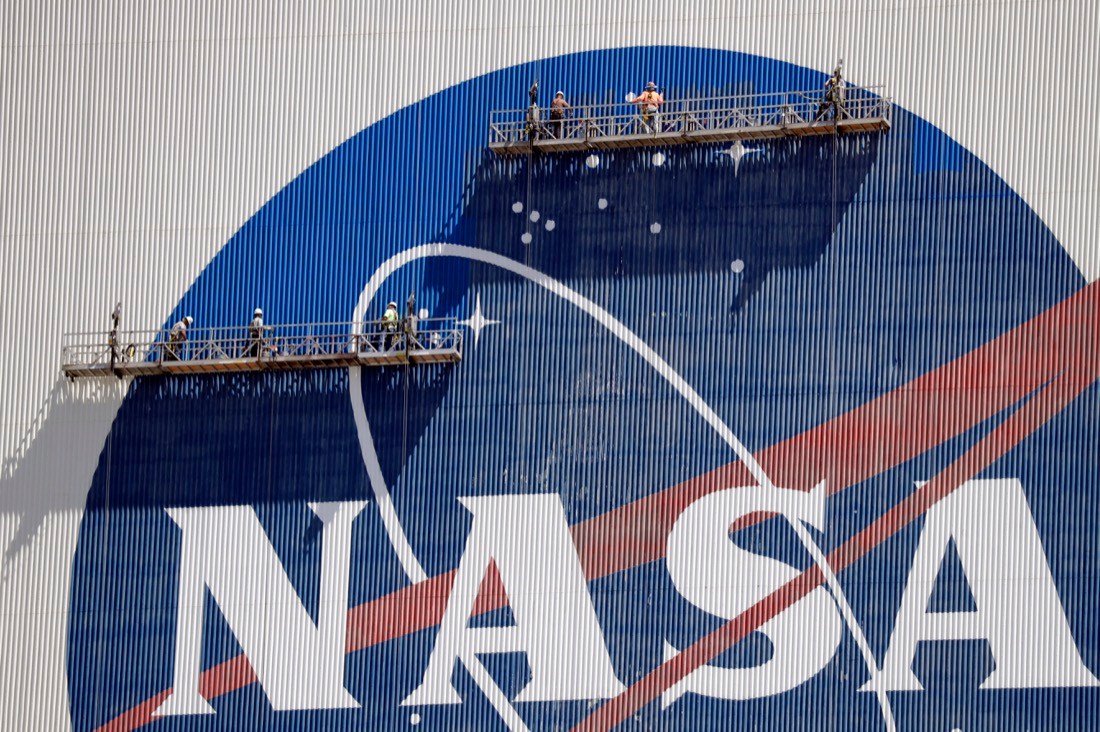
Workers near the top of the 526 ft. Vehicle Assembly Building at the Kennedy Space Center spruce up the NASA logo standing on scaffolds in Cape Canaveral, Fla., Wednesday, May 20, 2020. A SpaceX Falcon 9 rocket scheduled for May 27 will launch a Crew Dragon spacecraft on its first test flight with astronauts on-board to the International Space Station. (AP Photo/John Raoux)
Workers near the top of the 526 ft. Vehicle Assembly Building at the Kennedy Space Center spruce up the NASA logo standing on scaffolds in Cape Canaveral, Fla., Wednesday, May 20, 2020. A SpaceX Falcon 9 rocket scheduled for May 27 will launch a Crew Dragon spacecraft on its first test flight with astronauts on-board to the International Space Station. (AP Photo/John Raoux) Workers near the top of the 526 ft. Vehicle Assembly Building at the Kennedy Space Center spruce up the NASA logo standing on scaffolds in Cape Canaveral, Fla., Wednesday, May 20, 2020. A SpaceX Falcon 9 rocket scheduled for May 27 will launch a Crew Dragon spacecraft on its first test flight with astronauts on-board to the International Space Station. (AP Photo/John Raoux)

MEMPHIS, Tenn. (AP) — Rhodes College in Tennessee says NASA will launch into space a small satellite being designed and built at the liberal arts school.

The Memphis-based college said in a news release that the satellite is among 14 small research satellites chosen by NASA for the 2021 CubeSat Launch Initiative. The 4-inch by 4-inch by 4-inch (10-centimeter by 10-centimeter by 10-centimeter) satellite will be sent into space between 2022 and 2025, the college said.

The RHOK-SAT satellite is being built by students, faculty and staff at the college. It will test the space hardiness of novel solar cells for lunar and planetary missions, the college said.

The cells are under active development and investigation by the University of Oklahoma and they will be provided by the university for the satellite, Rhodes said. The satellite will be in orbit for more than one year and it will transmit data to a ground station at the college.