
NASHVILLE – A bill banning Tennessee legislators from holding services contracts with the General Assembly while also placing new restrictions and public disclosure requirements on any similar contracts with general state government is headed to Gov. Bill Lee.
Representatives approved House Bill 1040 on an 82-0 vote Thursday. Senators passed it on a 30-0 vote later in the day.
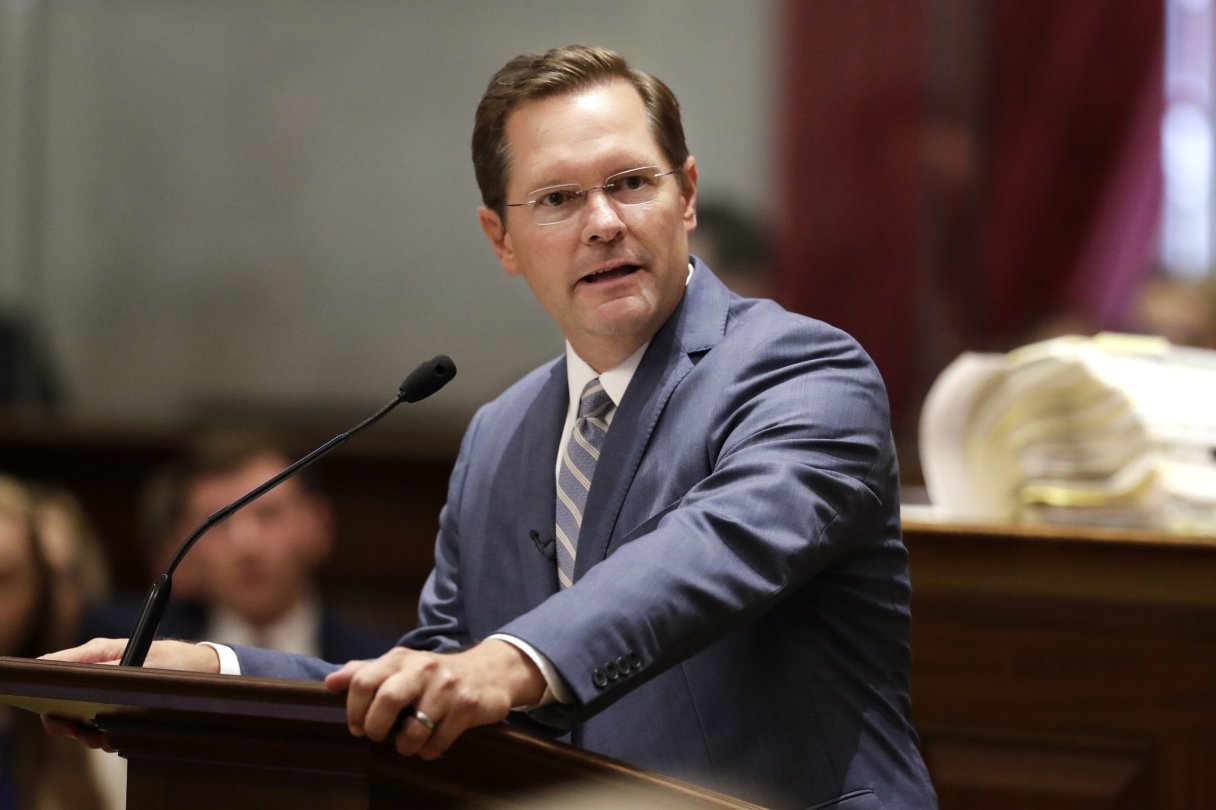
House Speaker Cameron Sexton, R-Crossville, brought the much-amended bill after Jan. 8 raids on the homes and legislative offices of Rep. Robin Smith, R-Hixson, former speaker and Rep. Glen Casada, R-Franklin, and Rep. John Warner, R-Chapel Hill.
Federal officials have yet to disclose the nature of the probe, but both Smith and Casada, who are political consultants, were handling government-funded legislative constituent mail on behalf of a number of their GOP colleagues. That practice is currently allowed but wouldn’t be after July 1, should Lee sign the bill.
It was the fourth time Sexton’s much-amended bill came to the floor, the result of multiple questions about the legislation from fellow lawmakers. The legislation largely mirrors a 1950s-era law that makes contracts providing physical goods to the state a Class E felony, punishable by up to six years in prison.