
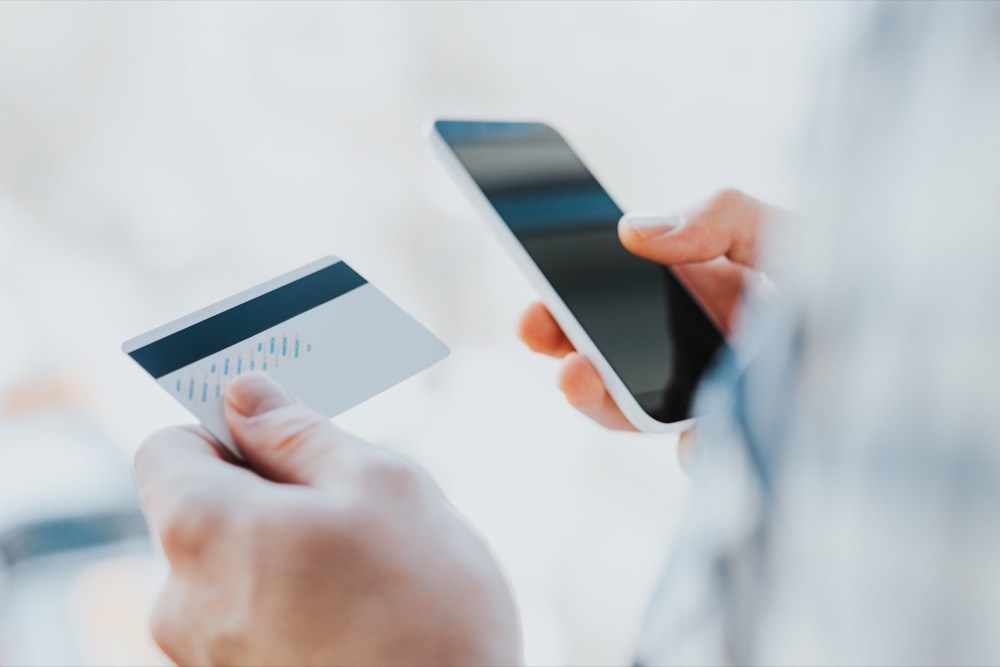
For nearly as long as humans have traded, they have used credit to facilitate their exchanges. And like almost every aspect of modern commerce, technology is changing the ways we think about and access credit to make purchases. One of the fastest growing trends in retail is the adoption of “point of sale” financing, commonly known as “buy now pay later” (BNPL). If you haven’t noticed the option yet when you check of your favorite online retailer, you will soon. And like many innovations, BNPL presents risks as well as benefits.
Consumer credit traces back to the Sumerian Empire around 3,500 BC in financing agricultural products. Shopkeepers extended what we might call “retail” credit to customers in 17th century Europe, and the English invented credit reporting around 1800 to deal with deadbeats. The first modern “credit card” was created by The Diner’s Club in 1950, with American Express introducing a travel card in 1958, and Bank of America debuting the first revolving charge card (BankAmericard, later rebranded as Visa) that same year. Today in the U.S., $4 trillion in transactions are charged on credit cards each year, and Americans are carrying $800 billion in credit card debt. The latest take on credit, Buy Now Pay Later, is a twist on traditional retail lending that holds particular appeal to Millennial and Generation Z consumers.
Multiple financial technology (Fintech) firms with names like Klarna, Affirm, Afterpay and Sezzle have sprung up to act as short-term lenders for cash-strapped consumers or for buyers who shun traditional credit cards. In its simplest form, it works as follows. When you go to your cart to check out online, you are given several payment options including “BNPL”. Selecting this button allows you to complete the purchase with payments spread over several equal installments. The payment processor instantly runs a “soft” credit check (which does not affect your FICO score) and, if approved, sets up a payment plan or automatic draft from your bank or credit card account. Think of it as a traditional layaway arrangement in reverse.
In general, buyers pay no interest on these short-term financing arrangements over 4 to 6 weeks. Merchants are charged a stiff fee typically ranging from 3% to 6% of the sale price but have so far found that the increase in sales has compensated them for the high cost.
The volume of BNPL transactions increased 350% in 2020, primarily among younger consumers. According to data analytics firm Cardify.ai, 75% of BNPL users are Gen Z or Millennials (ages 18-39). And while increasing access to financial products can be positive, there is increasing concern about evident overspending. A recent survey by Lendingtree.com found that nearly 70% of BNPL purchases are for luxury or designer goods including clothing, shoes, and jewelry. The trend is partly fueled by aggressive trend marketing on popular social media platforms like TikTok. Lendingtree found that 2/3 of respondents spent more than they would have without the option to finance, and 42% say they wouldn’t have made the purchase at all if they had to pony up immediately. BNPL platform Affirm noted in its IPO filing that around 30% of its revenue was derived solely from financing pricey Peloton exercise equipment.
The number of variations and the credit limit are expanding rapidly as the industry evolves. While most smaller purchases are interest-free, providers are offering longer terms and, in some cases, charging interest on larger purchases.
In addition to the risk of overspending, users should be aware of other potential risks. BNPL loans are not regulated like credit cards and offer far fewer consumer protections. Disputing charges or returning defective merchandise can be difficult and time consuming. And while most of these lenders do not report on-time payments to credit bureaus, many do report late payments. 7 out of 10 users report having missed at least one payment and paying a late charge. Meanwhile, only 38% of Generation Z shoppers even recognized BNPL as a form of debt.
Innovation in financial services has been accelerating over the past two decades, bringing additional choices and cost savings to consumers. Just be sure to fully understand the terms and obligations before hitting the “Pay Later” button.
Christopher A. Hopkins is a chartered financial analyst in Chattanooga.