
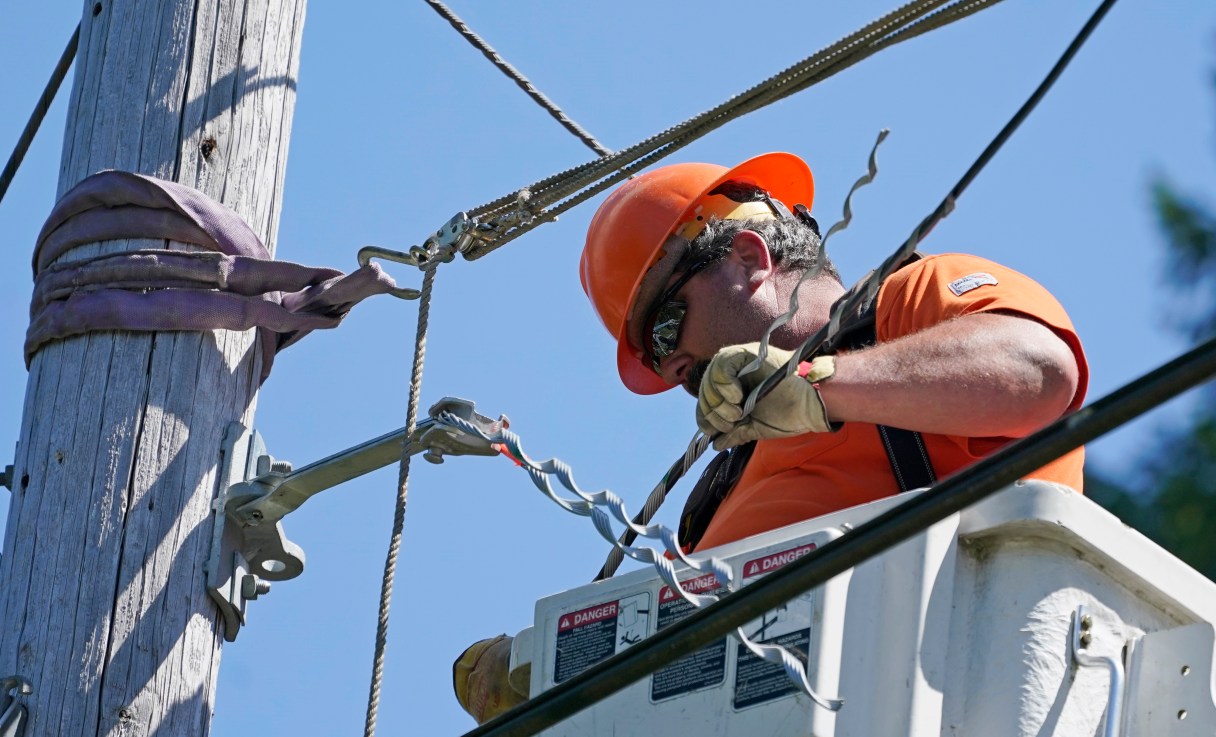
The Senate’s $1 trillion bipartisan infrastructure plan includes a $65 billion investment in broadband that the White House says will “deliver reliable, affordable, high-speed internet to every household.”
It may not actually achieve that, but it’s a major step in that direction. The broadband funding is a “great down payment” on the Biden administration’s far-reaching goals of connecting all Americans and making internet more affordable, said Matt Wood, a broadband policy expert at the consumer advocacy group Free Press. Critically important is $14 billion aimed at helping low-income Americans pay for service.
The “digital divide” – the persistent U.S. gap between the broadband haves and have-nots – became glaringly obvious during the pandemic as school, work and health care shifted online. Tens of millions either don’t have internet access or, if they do have access to a local phone or cable company, can’t afford to pay for it.
More radical industry changes laid out in the Biden administration’s original $100 billion plan, like promoting alternatives to the dominant phone and cable industries and hinting at price regulation, didn’t survive bipartisan negotiations over a bill that had to attract Republican support. Among the bill’s big winners, in fact, are those same internet service providers.
The Senate passed the $1 trillion infrastructure bill Tuesday, 69-30, with support from both Democrats and Republicans. The House is expected to consider it in September.