
 University of Tennessee Press / “On Barbecue”
“ON BARBECUE” by John Shelton Reed (University of Tennessee Press, 174 pages, $25).
“I once suggested half-seriously that if the South needs a new flag – as it surely does – we could do worse than to use a dancing pig with a knife and fork,” writes cultural commentator John Shelton Reed in his new book, “On Barbecue.” A Kingsport, Tennessee, native who is passionate about the subject, Reed characterizes East Tennessee as “a place regrettably deficient in barbecue tradition,” unlike his adopted state of North Carolina. That’s where Reed taught sociology for more than 30 years at Chapel Hill and where he was introduced to this Southern delicacy: “I loved North Carolina barbecue from the first bite.”
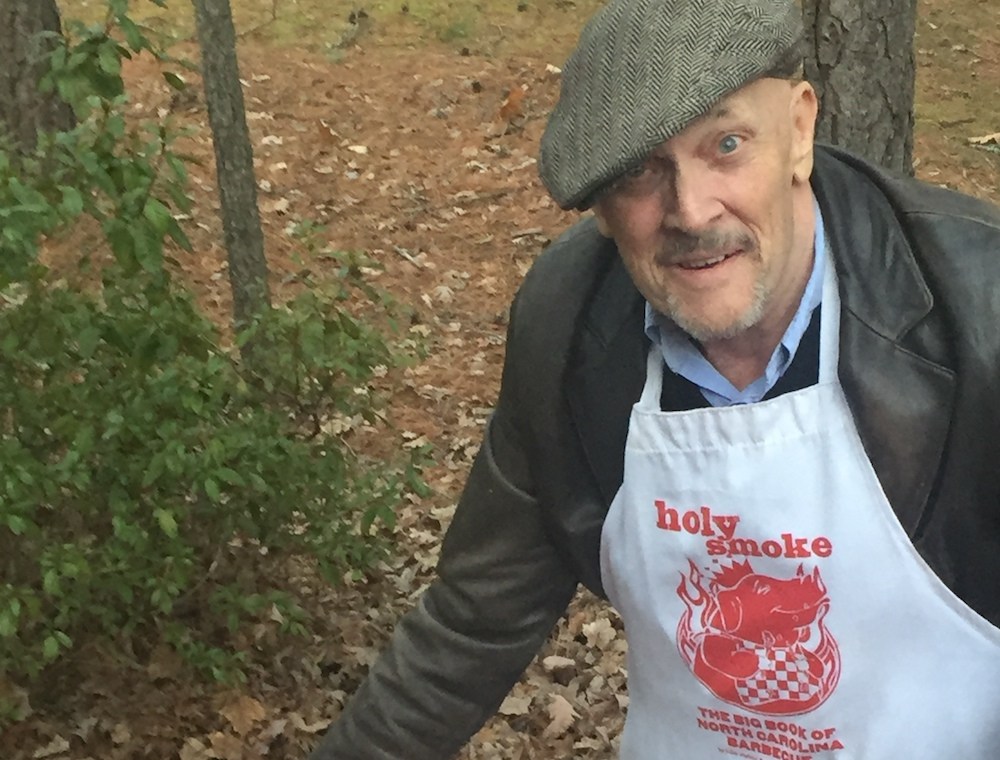
“On Barbecue” is an eclectic collection of pieces written between 1992 and 2020, including previously published articles and essays, book reviews and excerpts from Reed’s earlier books – most notably “Holy Smoke: The Big Book of North Carolina Barbecue.” Running the gamut from the history of barbecue to the regional differences in recipes to the importance of traditional cooking methods, “On Barbecue” paints the picture of a man passionate about “the national dish of the South” with a sharp sense of humor and a strong belief in the sanctity of this delicious American institution. Most of all, it’s a love song to his favorite food.
According to Reed, “we first encounter something Southerners would recognize as barbecue” in the West Indies in the 16th century. The art of cooking meat over smoking wood eventually made its way to the North American colonies. By the 1700s, Americans were cooking whole animals outdoors, slowly, at low temperatures, over pits filled with hardwood coals at large community gatherings. But it was not until the 19th century that the culinary influence of African slaves led to the widespread adoption of a vinegar-and-pepper sauce to tenderize and flavor the meat. Bottled tomato ketchup was introduced in 1876 – changing barbecue sauce forever – and once automobiles became commonplace, the community barbecue tradition gave way to the rise of the regional restaurant.
The fat was in the fire, so to speak, and that’s where all the trouble begins, as Reed notes: “Barbecue drives a wedge between Texas (beef) and the Carolinas (pork) and completely isolates those parts of Kentucky around Owensboro (mutton). Even porcivores can’t agree: Barbecue divides western North Carolina (tomato) from eastern North Carolina (no tomato), not to mention from South Carolina (mustard). You might say barbecue pits Southerners against one another. (Sorry.)”