
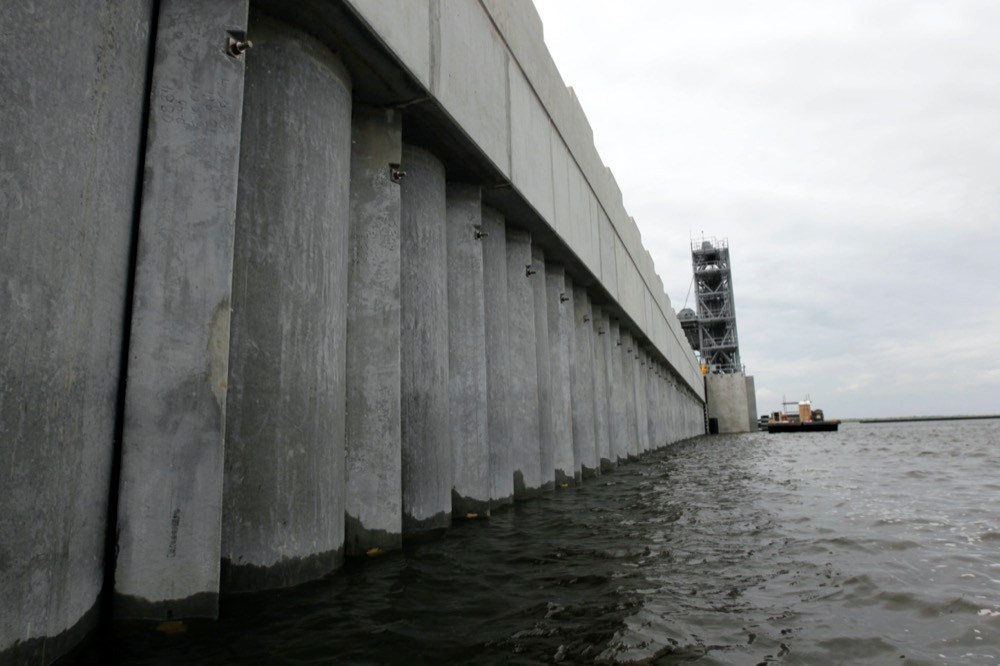
New Orleans finds itself in the path of Hurricane Ida 16 years to the day after floodwalls collapsed and levees were overtopped by a storm surge driven by Hurricane Katrina. That flooding killed more than 1,000 people and caused billions in damage. But Ida arrives at the doorstep of a region transformed since 2005 by a giant civil works project and closer attention to flood control.
The system already has been tested by multiple storms, including 2012’s Isaac, with little damage to the areas it protects. Every storm raises questions about New Orleans’ defenses, though, and as Ida approaches, here are some answers:
WHAT’S CHANGED SINCE KATRINA?
The federal government spent $14.5 billion on levees, pumps, seawalls, floodgates and drainage that provides enhanced protection from storm surge and flooding in New Orleans and surrounding suburbs south of Lake Pontchartrain. With the exception of three drainage projects, that work is complete.
“The post-Katrina system is so different than what was in place before,” said U.S. Army Corps of Engineers spokesperson Matt Roe.