
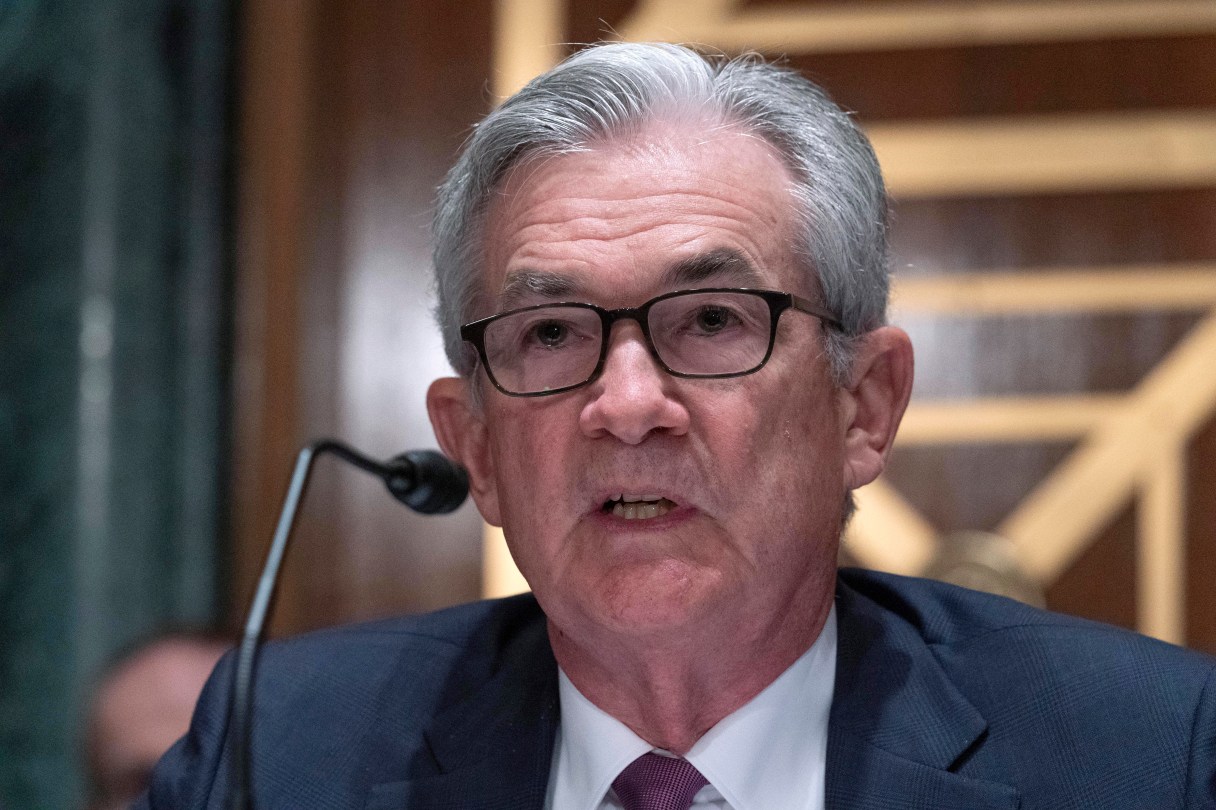
Last Friday at the Federal Reserve’s annual research conference, Chairman Jerome Powell made official what everyone anticipated: the Fed will begin tapering its massive bond-buying program by year end. Talking heads on the financial channels have obsessed over the timing and rapidity of throttling down the extraordinary stimulus known as Quantitative Easing or QE and the likely impact on inflated asset prices. But what exactly has the Fed been doing, what does “tapering” mean, and why does it matter?
The U.S. Federal Reserve Board is charged with conducting monetary policy; that is, controlling the supply of money in the economy and the closely associated level of interest rates. Like most central banks, the Fed is tasked with keeping inflation under control. Unlike most other central banks, however, the Fed is also charged with a somewhat contradictory mandate of promoting full employment. The Fed’s primary tool historically has been managing the level of interest rates as a countercyclical measure. When inflation gets too hot, raising short-term interest rates dampens excessive expansion and cools off prices. Conversely, in times of recession, the Fed lowers short interest rates to promote more borrowing and investment to stimulate economic growth and job creation. So far, so good.
But what happens when the Fed has cut its benchmark interest rate as far as it can go? This happened in the aftermath of the 2008 recession. By January of 2009, the Federal Reserve reduced its target rate (called the Federal Funds rate) to zero, but job growth remained sluggish. The central bank had run out of bullets and chose to bring an unconventional weapon to bear: Quantitative Easing.
The term QE was coined to describe a means of easing monetary policy by massively increasing the quantity of money in the economy, with the intent of pushing down longer-term interest rates. The Fed implements this policy by creating new money and using it to purchase huge quantities of Treasury bonds from big banks, holding the bonds on its own balance sheet, and encouraging banks to lend this cash windfall to private borrowers. Between 2009 and 2014, the Fed had purchased over $3.5 trillion in bonds and had quadrupled the size of its holdings of Treasuries. The true effectiveness of the policy is still debated, but the Fed was successful in holding down rates and the economy eventually returned to full employment.
The purchases eased gradually beginning in 2014, but the Covid economic collapse in March of 2020 prompted the Fed to spring again into action. Only this time, they weren’t fooling around. Starting in June, the central bank began purchasing $80 billion in Treasury bonds and $40 billion in mortgage-backed bonds every month, flooding the economy with nearly $5 trillion in liquidity. The scope and scale of the rescue effort was unprecedented, and the Fed is on target to expand its balance sheet ten-fold over the 2006 level by the end of the program. Shazam.