
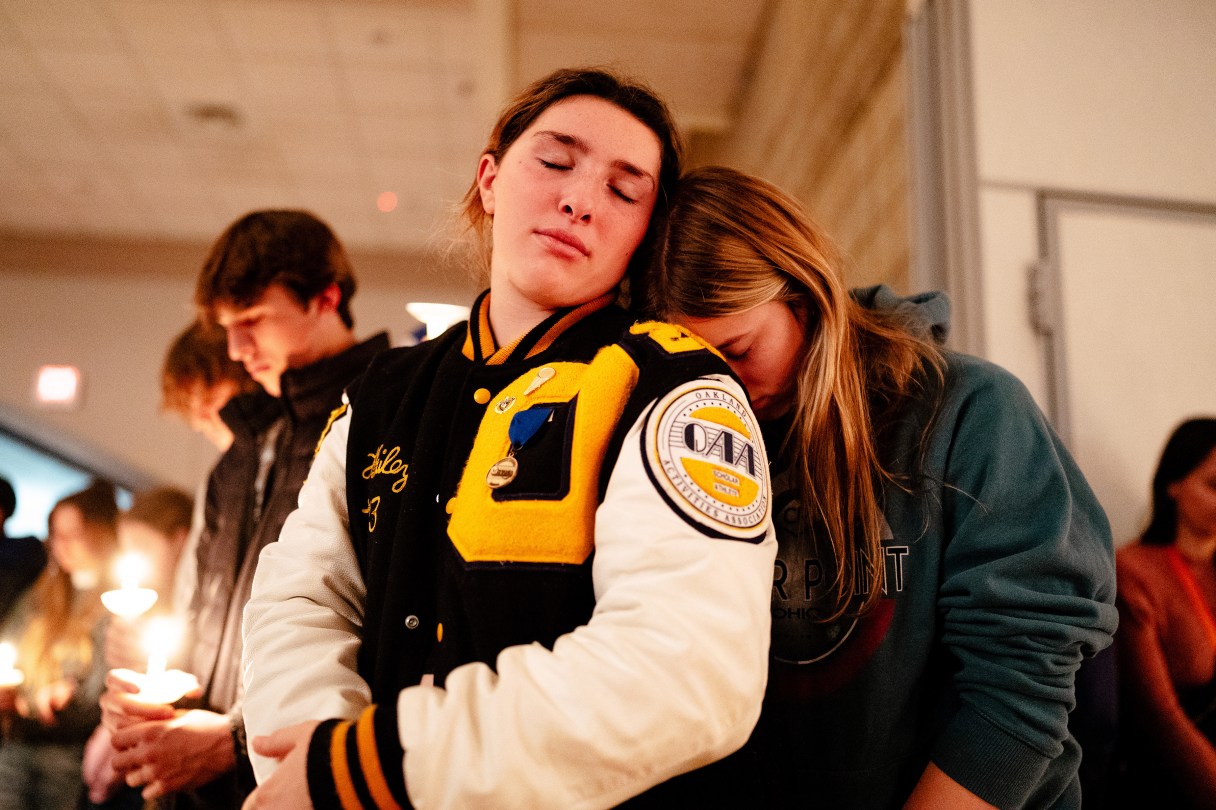
The warning signs were there.
In the days leading up to the deadliest school shooting of 2021 in the U.S., 15-year-old Ethan Crumbley made a series of disturbing comments and messages – both online and in a drawing. He had been caught at school searching online for bullets. The drawing on his desk, discovered by one of his teachers, depicted a gun pointing at the words “The thoughts won’t stop. Help me.”
It is, perhaps, easy to look back at the postings of a mass shooter after the event and highlight the red flags that were potentially missed.
But how do you know when a young person is writing offensive, threatening or disturbing posts merely to garner attention or to blow off steam, rather than presenting a threat to themselves or others? And at what point in the transition from online threats to real-world harm should concerns by teachers, parents or peers be deemed actionable by law enforcement and other officials?
As experts in extremist violence and criminal justice, we believe many of the investigative tactics used in countering terrorism can be leveraged to prevent violent acts like the one Ethan Crumbley is charged with carrying out. In particular, monitoring social media and systematically assessing the threat of individuals who post disturbing content can prove critically important.