
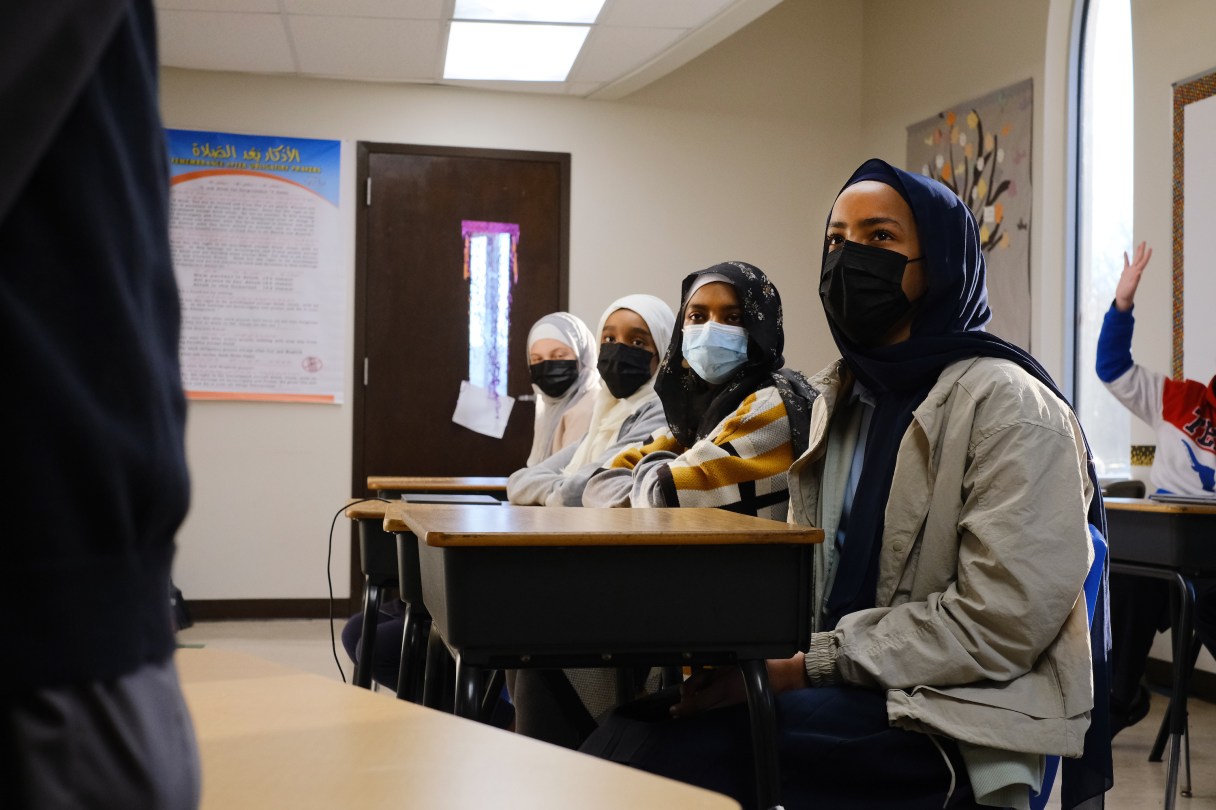
Religion and the role of spirituality continue to have a place in the lives of the youngest generations of Americans, even if their approaches to faith differ from traditional definitions of religion.
That finding was one of many in the research study State of Religion & Young People 2021 published by Minnesota-based Springtide Research Institute in October.
The data, based on more than 10,000 surveys with Americans ages 13 to 25, found most young people identify as religious, 71%, or spiritual, 78%, but they were as likely to look to “no one” for help during stressful moments than they are to seek out a faith leader. The study makes clear the connection travels both ways – one in 10 young people told the researchers a faith leader had reached out to them in the past year.
Josh Packard, executive director of Springtide, said the people studied, largely from Generation Z, are largely trying to balance an inward focus and a trust in institutions.
“They’re very much striving for this middle ground where they’re just not going to compromise their identities and the identities of their friends and their abilities to show up for them just to be a part of an institution,” Packard said. “And, at the same time, what we don’t see is them crafting, if you have 700 individuals, they’re not crafting 700 versions of religion for their 700 selves. They’re very much interested in these traditions and in these intact faith systems.”