
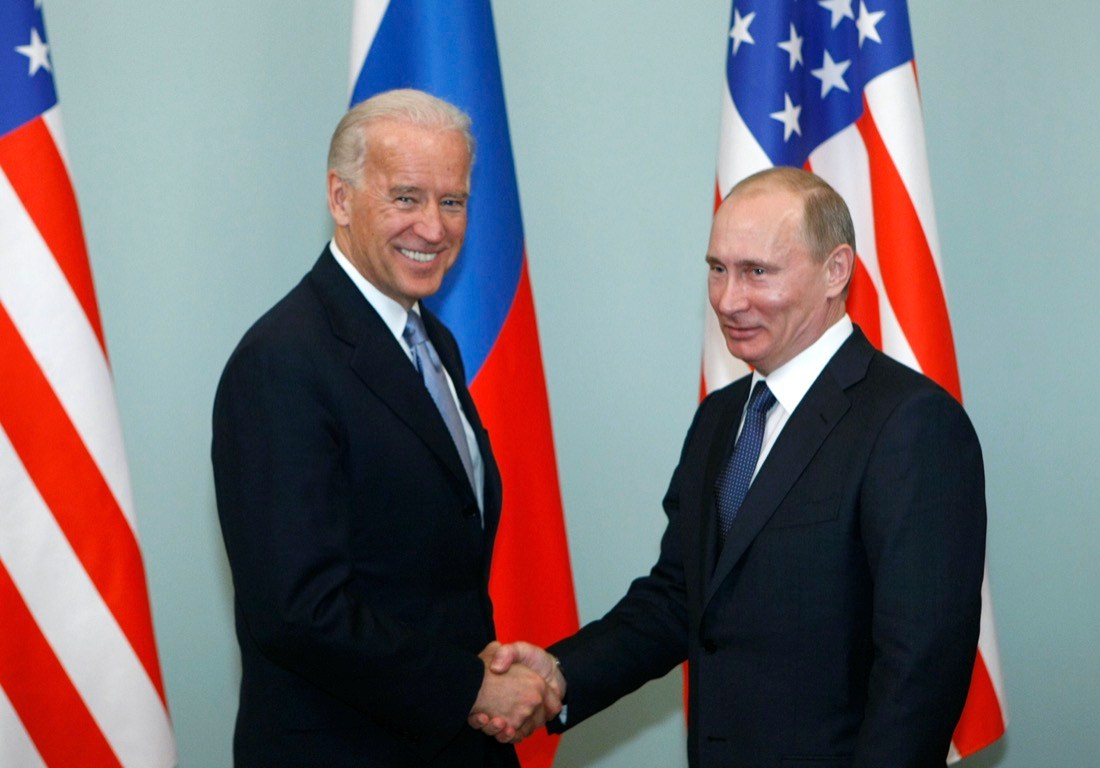
WASHINGTON (AP) – U.S. President Joe Biden and Russian leader Vladimir Putin held their first conversation as counterparts Tuesday in a phone call that underscored troubled relations and the delicate balance between the former Cold War foes.
According to the White House, Biden raised concerns about the arrest of opposition figure Alexei Navalny, Russia’s alleged involvement in a massive cyber espionage campaign and reports of Russian bounties on American troops in Afghanistan. The Kremlin, meanwhile, focused on Putin’s response to Biden’s proposal to extend the last remaining U.S.-Russia arms control treaty.
While the readouts from the two capitals emphasized different elements, they both suggested that U.S-Russia relations will be guided, at least at the beginning of the Biden administration, by a desire to do no harm but also no urgency to repair existing damage.
The two presidents agreed to have their teams work urgently to complete a five-year extension of the New START nuclear weapons treaty that expires next month. Former President Donald Trump’s administration had withdrawn from two arms control treaties with Russia and had been prepared to let New START lapse.
Unlike his immediate predecessors – including Trump, who was enamored of Putin and frequently undercut his own administration’s tough stance on Russia – Biden has not held out hope for a “reset” in relations. Instead he has indicated he wants to manage differences without necessarily resolving them or improving ties.