
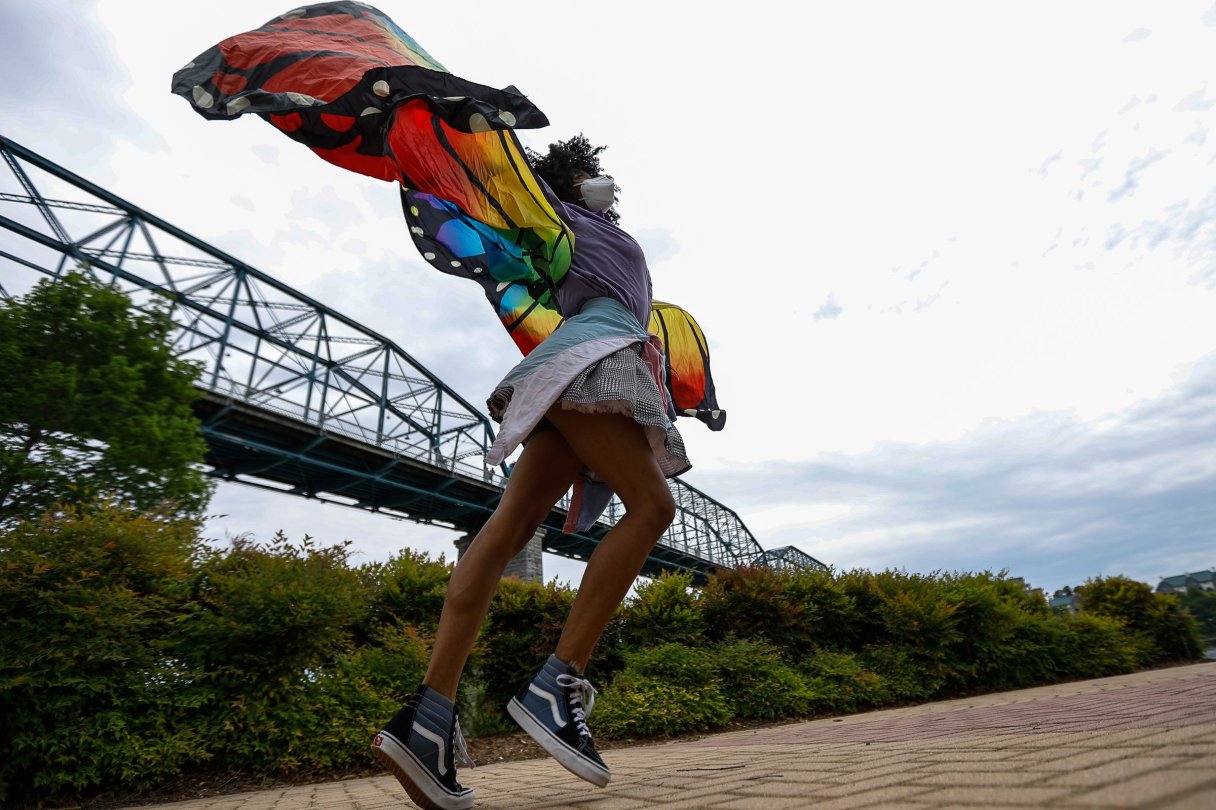
Before COVID-19 ground the world to a screeching halt, local dance and nonprofit production company The Pop-up Project was gearing up for a blowout show. Artists across the spectrum, from visual to performing arts, were set to turn a warehouse into an immersive seven-week exhibit.
The show would not only help support those directly involved, but also serve as a proof of concept, translating to more opportunities for more artists.
But no tickets were sold. The exhibition never happened.
According to a January 2021 study, “COVID-19’s Impacts on Arts and Culture,” posted by the National Endowment for the Arts, the creative sector and tourism industry have borne the brunt of the pandemic’s fallout. The Brookings Institution, an American research group, reports that the fine and performing arts account for 26.6% of all employment losses and 28.8% in estimated losses to monthly earnings. And with most of the arts’ earnings and employment opportunities tied to ticket sales, the situation has not really improved. The Census Small Business Pulse Survey found that 61% of businesses in the arts, entertainment and recreation sector were still struggling as 2020 drew to a close. The survey put the national average for all sectors at 31%.
“COVID is not over for arts organizations,” says Jules Downum, co-founder and director of The Pop-up Project. “In a lot of ways, this year is harder than last year was for us. There’s not as much funding available.”