
Chattanooga’s economic recovery from the coronavirus pandemic is getting a boost from a new loan program designed to aid the start up and growth of minority-owned entrepreneurs and growing businesses in low-income parts of Hamilton County.
Tennessee’s biggest nonprofit community development financial institution is reopening an office in Chattanooga as part of a new $7.5 million lending program to help diversify and grow Chattanooga’s small business sector as the economy rebounds this year. Pathway Lending, a Nashville-based lending firm that has grown to more than $200 million in assets, is targeting Chattanooga small businesses in underserved communities with a loan and business assistance program funded by three regional banks, five local foundations and a private investment firm.
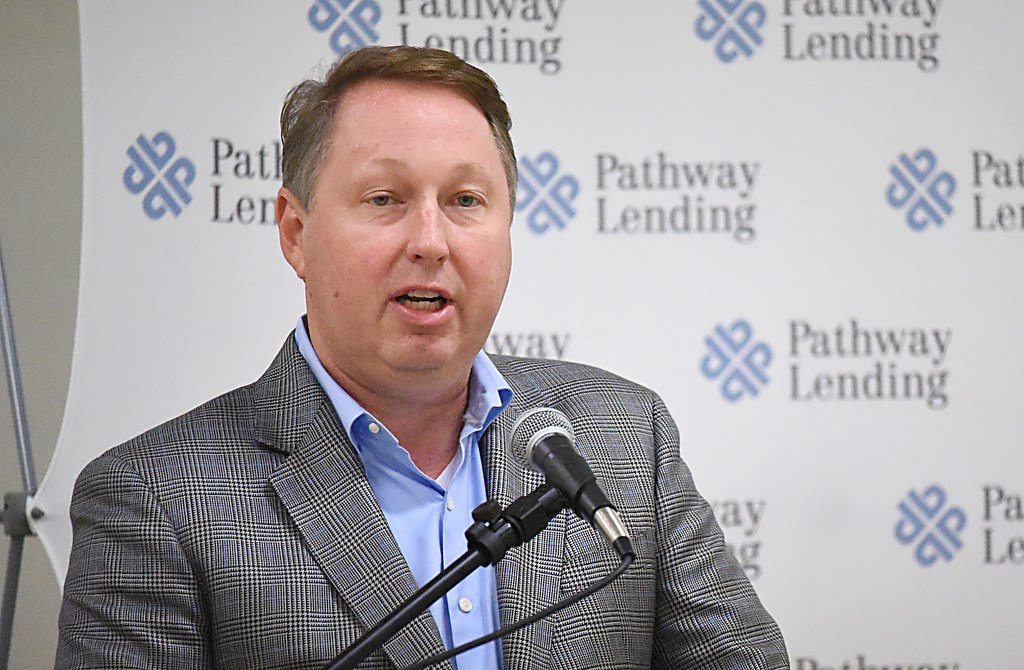
“This is the first time in our 21-year history where we’ve seen foundations, banks and the community really come together to help promote entrepreneurship,” said Clint Gwin, president and CEO or Pathway Lending.
The new initiative is targeting making at least 40% of its loans to minority-owned businesses, nearly triple the current statewide average for small businesses owned by people of color.
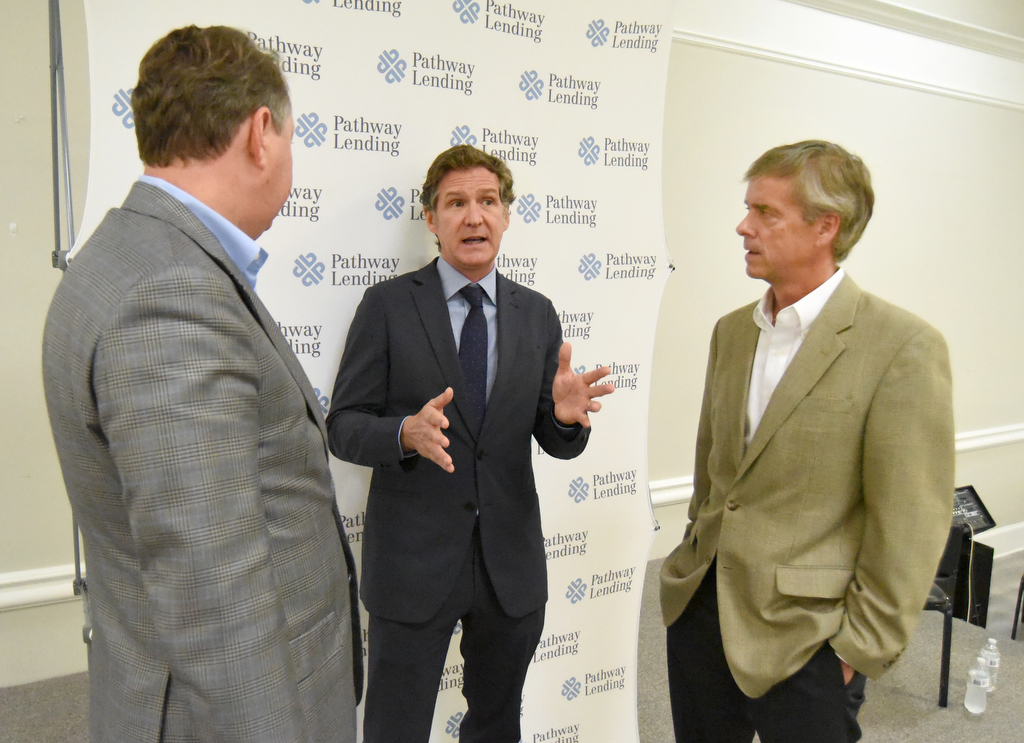
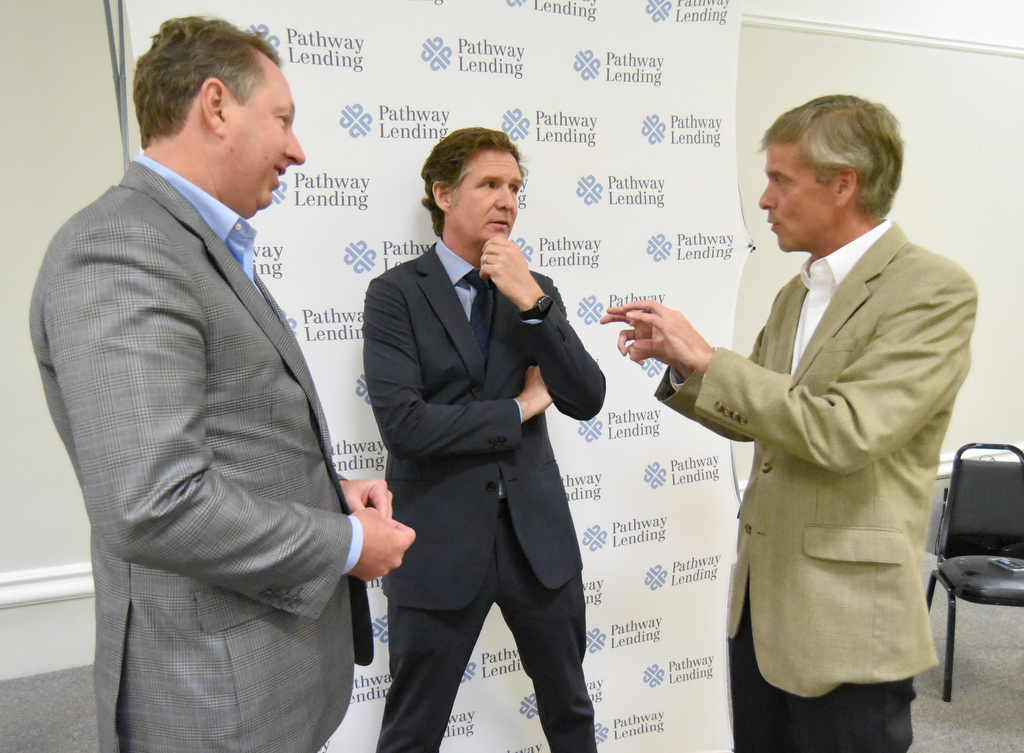
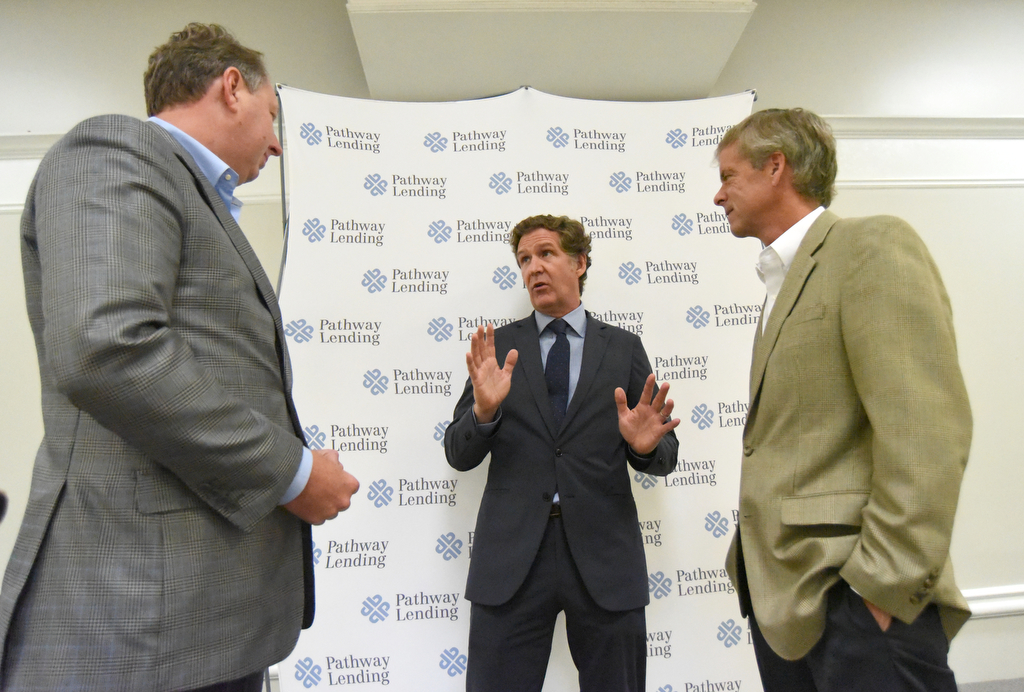
Pathway Lending uses both its business assistance and access to capital to broaden lending programs to more low-income communities and to serve more persons of color under its slogan “No opportunity missed.” The lending program has succeeded so far in limiting loan losses to only about 1.8% even though it specializes in non-collaterized loans that most bank or even the Small Business Administration will not make.