
In the summer of 1988, Iran’s supreme leader, Ayatollah Ruhollah Khomeini, ordered the secret executions of thousands of political prisoners. Iran then denied reports of the slaughter, calling them “nothing but propaganda” based on “forgeries.” It also ruthlessly suppressed efforts by the families of the disappeared to find out what had happened to their relatives, including the location of their burial sites.
More than 30 years later, the world still doesn’t know how many prisoners were murdered, although a landmark 2017 report from Amnesty International put the minimum number at “around 5,000.” Other reports suggest a figure as high as 30,000.
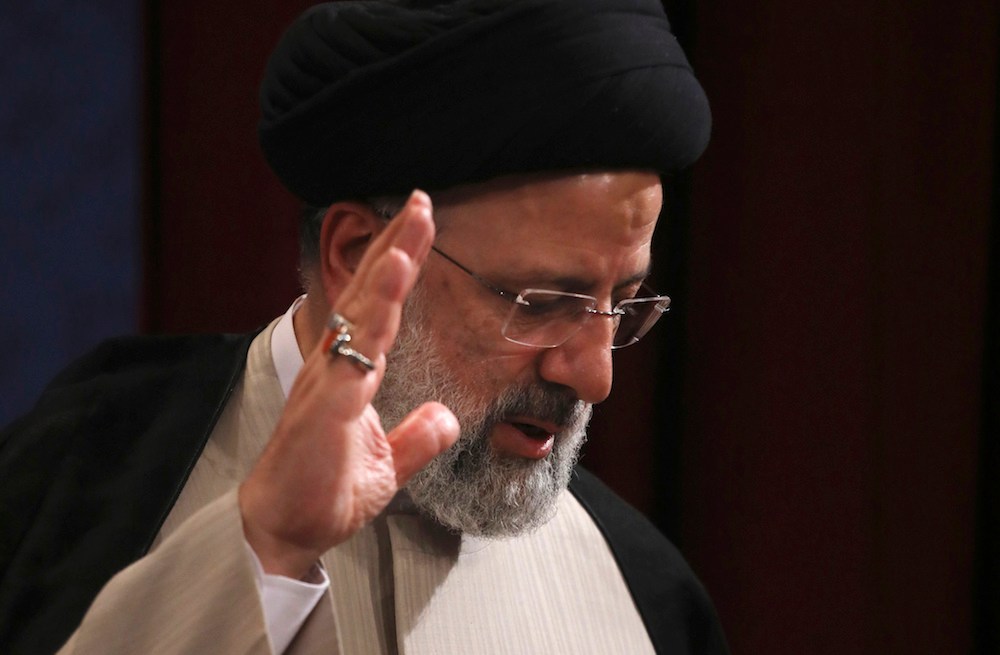
But one point is not seriously in doubt: Among the handful of Iranian leaders most involved in the “death commissions” was Ebrahim Raisi. At the time of the massacres, Raisi, the son of a cleric and the product of a clerical education, was deputy prosecutor general of Tehran, later rising to become Iran’s chief justice. In 2018, he called the massacres “one of the proud achievements of the system.”
Last week, he was elected president of Iran in a rigged process in which centrist candidates were disqualified before the vote took place.
What does this mean for the world outside Iran?