
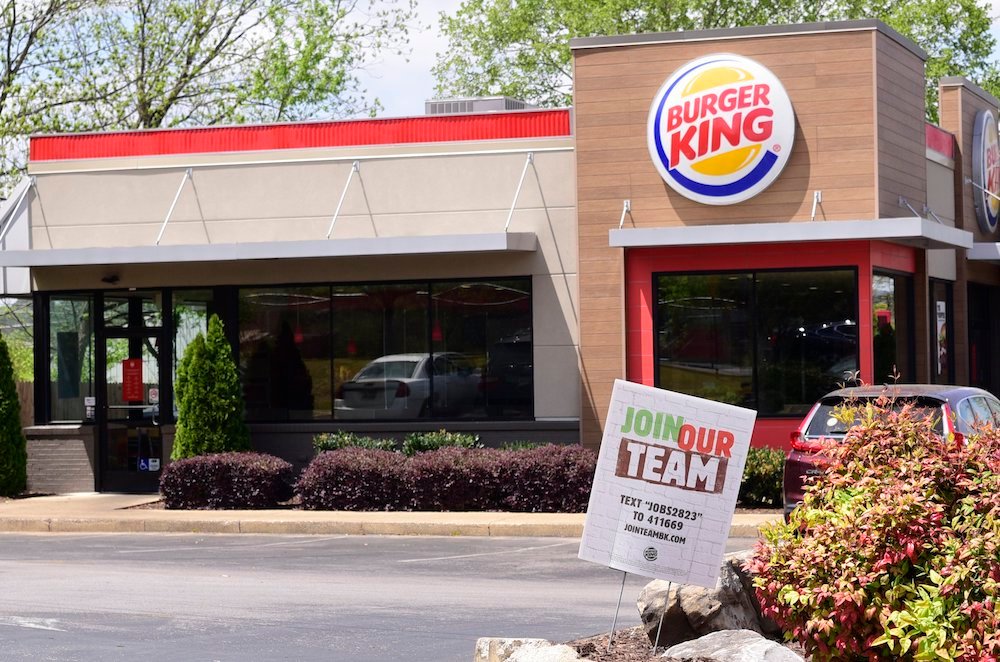
Workers in Chattanooga could be among the biggest beneficiaries of President Joe Biden’s push to raise the federal minimum wage to $15 an hour over the next five years, although business groups worry that such a wage boost could be inflationary and end up blocking job opportunities for many young people and low-skilled workers.
A new study by the financial website Lending Tree found that because of Chattanooga’s relatively low cost of living, a $15 wage would go much farther than in most major cities. Chattanooga ranked No. 5 among all major U.S. cities in the buying power of the proposed higher minimum wage, which the Biden White House continues to push despite not being included in a comprehensive stimulus measure as originally proposed.
The federal minimum wage of $7.25 an hour hasn’t been increased since 2009. Unlike 29 other states that have a higher minimum wage than the federal rate, Tennessee is among five states that don’t have any state minimum wage law and are governed strictly by the federal wage law.
“Nobody working 40 hours a week should be living below the poverty line,” Biden said in January when he announced plans to push for an increase in the federal minimum wage to $15 an hour. “Hard-working Americans deserve sufficient wages to put food on the table and keep a roof over their heads, without having to keep multiple jobs.”
In the proposed Raise the Wage Act of 2021, the White House said boosting the minimum wage gradually over the next five years would reduce the poverty rate by boosting pay for 17 million workers.