
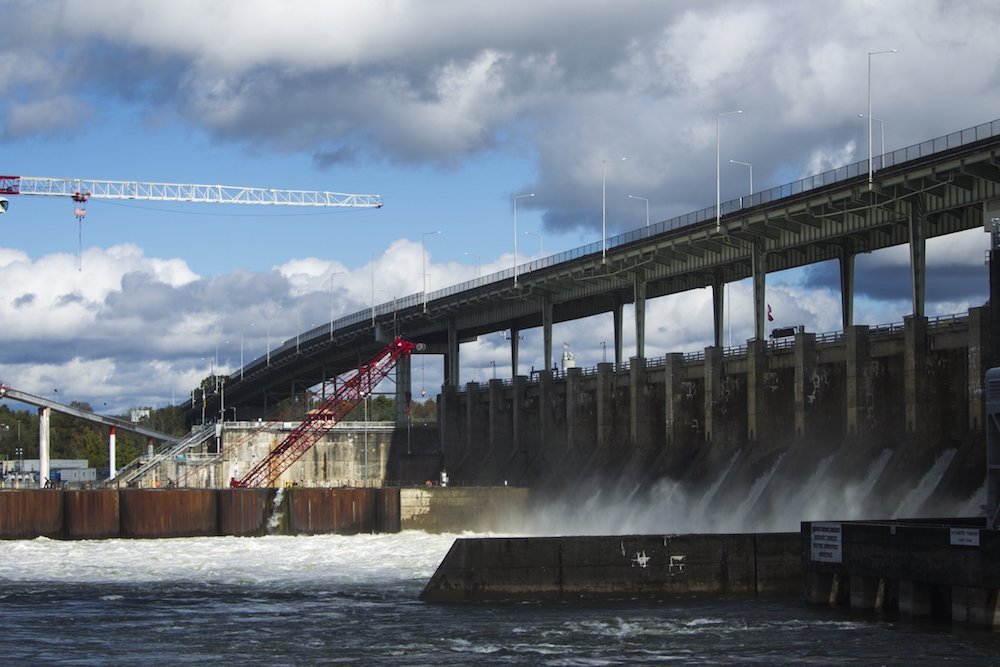
Chattanooga is the primary drainage path for rainfall across the eastern half of the Tennessee Valley, making the Scenic City the biggest beneficiary of the more than $10 billion of averted flood damage from the dams erected by the Tennessee Valley Authority and the Army Corps of Engineers over the past century.
But Nashville emerged as the biggest beneficiary of the river dams in the region during the past winter. The 10 Nashville area dams in the Cumberland River basin erected by the Army Corps of Engineers prevented an estimated $1.8 billion in flood damages in March, according to a new report by the Corps.
More than 7 inches of rain dumped on Nashville March 27 and March 28 – the second highest two-day total since records rainfall records began to be kept in 1871. The Cumberland River that flows through downtown Nashville reached 40.55 feet during the peak of the March flood, or nearly 7 inches above flood stage.
Without the Corps dams and other flood control measures on the river, the Corps estimates that the river would have risen more than 15 feet higher than it did, eclipsing the May 2010 flood by nearly four feet. Only the record flood of 1927 was worse.
By contrast, the Tennessee Valley Authority’s network of 49 flood control dams helped avert an estimated $137 million of flood damages in Chattanooga following nearly 10 inches of rain in March. Although Chattanooga’s rainfall in March was nearly double the normal levels, Chattanooga did not have the deluge of sudden rainfall that hit Nashville this spring, according to National Weather Service records.