
Thursday, October 29, 2026Oct 29

This story is free to read.

Biden administration promises focus on environmental justice

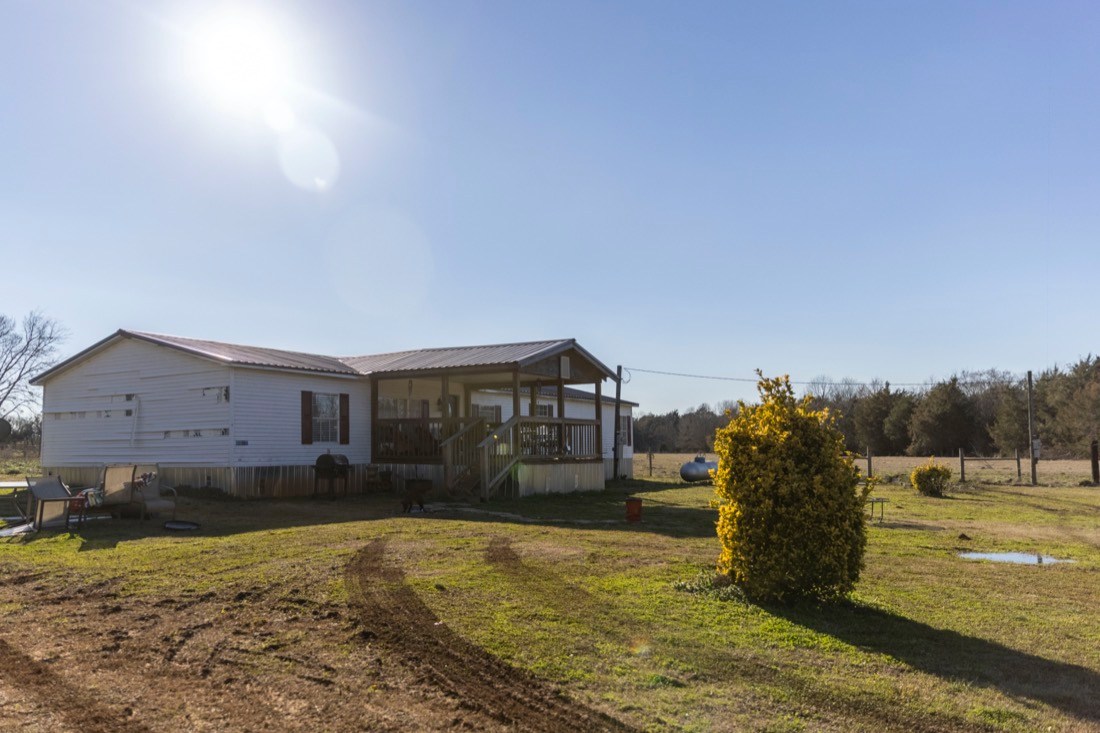
This Monday, Feb. 22, 2021 photo shows Latoya Gipson's house on Perry County Road 1 in Uniontown, Ala. Disadvantaged communities in America are disproportionately affected by pollution from industry or waste disposal, but their complaints have few outlets and often reach a dead end. Hundreds of discrimination claims sent to the Environmental Protection Agency's civil rights office since the mid-90s have only once resulted in a formal finding of discrimination. And some cases languished for years — or decades.(AP Photo/Vasha Hunt)
This Monday, Feb. 22, 2021 photo shows Latoya Gipson's house on Perry County Road 1 in Uniontown, Ala. Disadvantaged communities in America are disproportionately affected by pollution from industry or waste disposal, but their complaints have few outlets and often reach a dead end. Hundreds of discrimination claims sent to the Environmental Protection Agency's civil rights office since the mid-90s have only once resulted in a formal finding of discrimination. And some cases languished for years — or decades.(AP Photo/Vasha Hunt) This Monday, Feb. 22, 2021 photo shows Latoya Gipson's house on Perry County Road 1 in Uniontown, Ala. Disadvantaged communities in America are disproportionately affected by pollution from industry or waste disposal, but their complaints have few outlets and often reach a dead end. Hundreds of discrimination claims sent to the Environmental Protection Agency's civil rights office since the mid-90s have only once resulted in a formal finding of discrimination. And some cases languished for years — or decades.(AP Photo/Vasha Hunt)

When President Joe Biden made environmental protection a key element of his campaign, he promised to overhaul the federal office that investigates complaints from people in minority communities who believe they have been unfairly harmed by industrial pollution or waste disposal.

Although the Environmental Protection Agency acknowledges that disadvantaged communities in America are disproportionately affected by pollution, hundreds of complaints sent to its civil rights office since the mid-1990s have only once resulted in a formal finding of discrimination.

The situation has provoked criticism from the U.S. Civil Rights Commission, the EPA’s own Office of Inspector General and citizens who have filed complaints that sometimes languished for years – or decades.

Under Title VI of the 1964 Civil Rights Act, states, cities and other entities that receive federal funds are prohibited from discriminating because of race, color or national origin. That means citizens bearing the brunt of industrial pollution can bring a complaint if federal money is tied to the project.

In Uniontown, Alabama – a mainly Black town of 2,200 – residents complained to the EPA in 2013 about the Alabama Department of Environmental Management’s oversight of a huge landfill containing 4 million tons of coal ash that residents blame for respiratory, kidney and other ailments. Five years later, the EPA dismissed the complaint, saying residents hadn’t proven the landfill caused their health problems.