
Thursday, October 29, 2026Oct 29

This story is free to read.

Mississippi River cities join project to map plastic litter

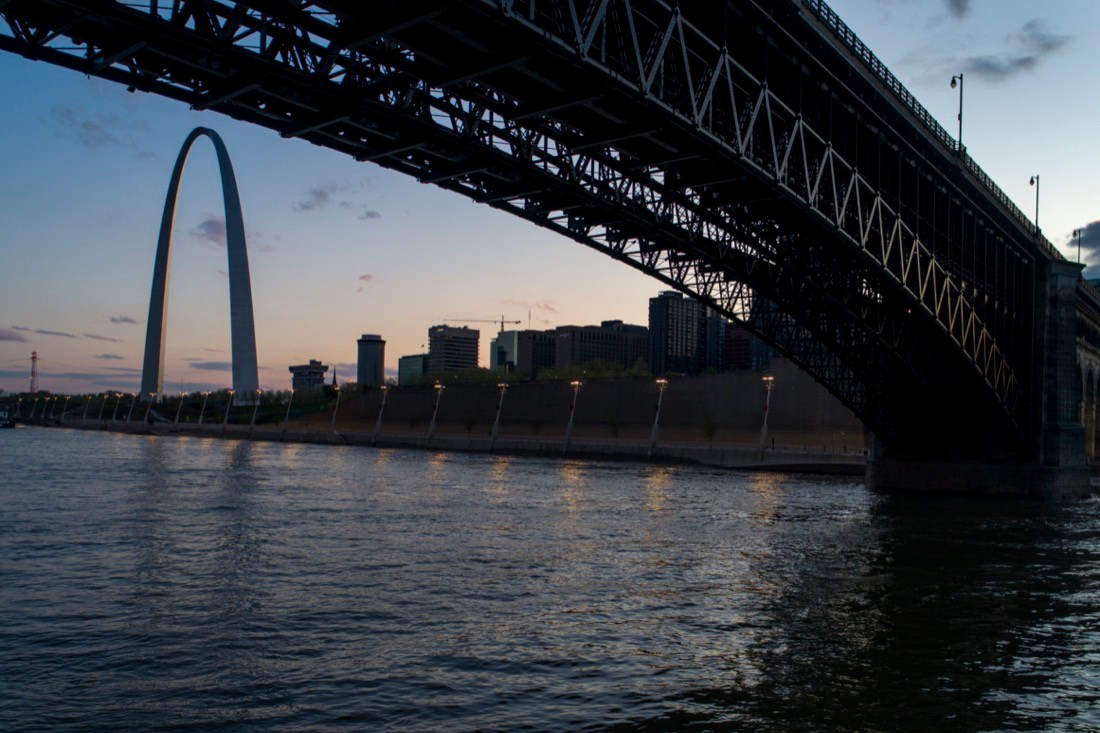
FILE - The Eads Bridge crosses the Mississippi River from Illinois to Missouri as the sun sets beyond the Gateway Arch, Tuesday, April 14, 2020, in St. Louis. Cities along the Mississippi River will take part in a global system to determine where plastic pollution comes from and how it ends up in waterways as a first step toward solving the problem, officials said Wednesday, March 3, 2021. (AP Photo/Jeff Roberson)
FILE - The Eads Bridge crosses the Mississippi River from Illinois to Missouri as the sun sets beyond the Gateway Arch, Tuesday, April 14, 2020, in St. Louis. Cities along the Mississippi River will take part in a global system to determine where plastic pollution comes from and how it ends up in waterways as a first step toward solving the problem, officials said Wednesday, March 3, 2021. (AP Photo/Jeff Roberson) FILE - The Eads Bridge crosses the Mississippi River from Illinois to Missouri as the sun sets beyond the Gateway Arch, Tuesday, April 14, 2020, in St. Louis. Cities along the Mississippi River will take part in a global system to determine where plastic pollution comes from and how it ends up in waterways as a first step toward solving the problem, officials said Wednesday, March 3, 2021. (AP Photo/Jeff Roberson)

TRAVERSE CITY, Mich. (AP) – Cities along the Mississippi River will take part in a global system to determine where plastic pollution comes from and how it ends up in waterways as a first step toward solving the problem, officials said Wednesday.

The project enables “citizen scientists” using a mobile application to log types and locations of litter found along the river, which drains 40% of the continental U.S. and sends huge volumes of plastics into the Gulf of Mexico. Much of it reaches the river through municipal storm drains and tributary streams.

The data will be entered on a virtual map that will provide experts and policymakers with information about plastic waste concentrations in particular areas and their sources.

“Plastic pollution one of premier environmental crises of our time,” said Barbara Hendrie, North America director for the United Nations Environment Program, which is participating in the initiative with Mississippi riverfront cities and other organizations. “It’s literally choking our oceans as well as our landscapes.”

An estimated 8 million tons of plastic flow into the world’s oceans each year. Many fish and other species eat or become entangled in the debris, often causing death or severe injury.