

“[O]ur home has been repeatedly vandalized by phantoms who came at night,” the Black man said. “They have trashed our lawn with beer cans and liquor bottles. They have left threatening messages on pilfered signs near our back door. They have taken measures to ensure that my family and I saw the indecent insults that they left behind.”
The man referred to wasn’t Dr. Martin Luther King Jr. or Medgar Evers. The place wasn’t Montgomery, Alabama, or Jackson, Mississippi. The year wasn’t 1959 or 1963.
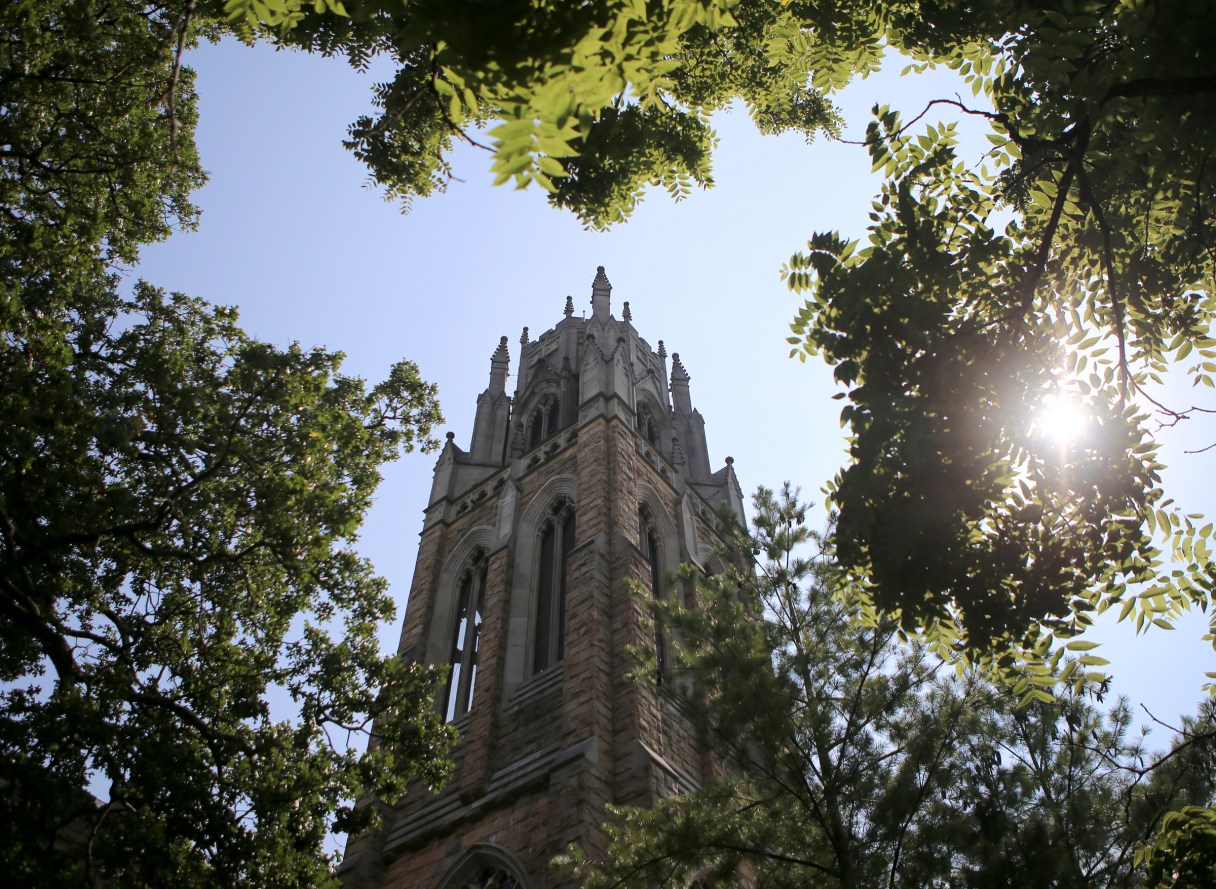
The Black man who spoke those words was Reuben E. Brigety II, vice chancellor and president of Sewanee – The University of the South. The place was Sewanee, Tennessee. And the year he described was 2020.
The racial intolerance alive, well and thriving in many Southern states in the 1950s and early 1960s was supposed to have been stamped out, destroyed by a persistent biblical wrongness and by a civil rights movement that – eventually – made even the most blind people see the evil of treating one individual different from another simply because of the color of their skin.
But, like the evils of anti-Semitism and Nazism in Europe, it has insidiously persisted. And not only was Brigety’s home targeted, but only a month after he revealed what had occurred at his home, another shocking, despicable incident occurred on Sewanee’s campus. At a lacrosse match last Saturday, a few Sewanee students shouted “the most vile racial epithets” at the opposing team, Brigety said.