
Thursday, October 29, 2026Oct 29

This story is free to read.

EXPLAINER: Why is media access at the border an issue?

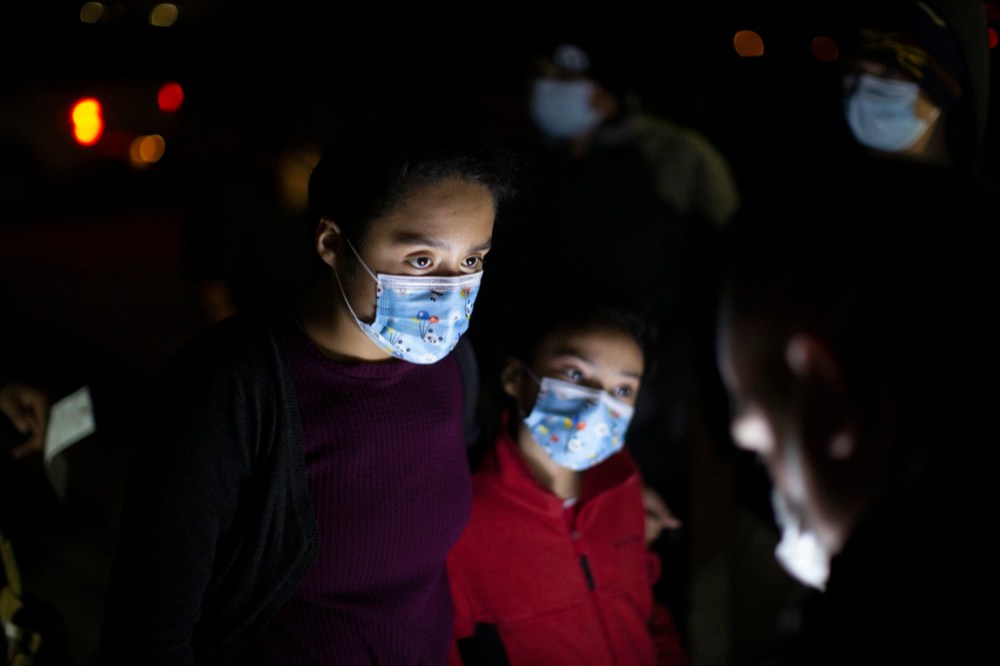
Fatima Nayeli, 13, left, ands her sister, Cynthia Stacy, 8, answer questions from a U.S.Border Patrol agent at an intake site after they were smuggled on an inflatable raft across the Rio Grande river in Roma, Texas, Wednesday, March 24, 2021. The sisters traveled from El Salvador in the hope of reaching relatives living in the U.S. (AP Photo/Dario Lopez-Mills)
Fatima Nayeli, 13, left, ands her sister, Cynthia Stacy, 8, answer questions from a U.S.Border Patrol agent at an intake site after they were smuggled on an inflatable raft across the Rio Grande river in Roma, Texas, Wednesday, March 24, 2021. The sisters traveled from El Salvador in the hope of reaching relatives living in the U.S. (AP Photo/Dario Lopez-Mills) Fatima Nayeli, 13, left, ands her sister, Cynthia Stacy, 8, answer questions from a U.S.Border Patrol agent at an intake site after they were smuggled on an inflatable raft across the Rio Grande river in Roma, Texas, Wednesday, March 24, 2021. The sisters traveled from El Salvador in the hope of reaching relatives living in the U.S. (AP Photo/Dario Lopez-Mills)

NEW YORK (AP) – Access to government-run facilities housing young immigrants on the border with Mexico has caused one of the first tussles between news organizations and the two-month-old administration of Joe Biden. Before the doors opened slightly this week, the media was limited in depicting how people in U.S. custody were being treated, and how that compared to what was done in the Trump years.

What’s behind that? Here’s a look.

WHY HAS MEDIA ACCESS BEEN BLOCKED?

The phrase “a picture is worth a thousand words” is a cliche for a reason. And governments know it well.

“This is sort of the default that government agencies go to when things are unflattering,” says Freddy Martinez, policy analyst for Open the Government, an organization that argues for government transparency.