
Tuesday, November 10, 2026Nov 10

How companies rip off poor employees – and get away with it

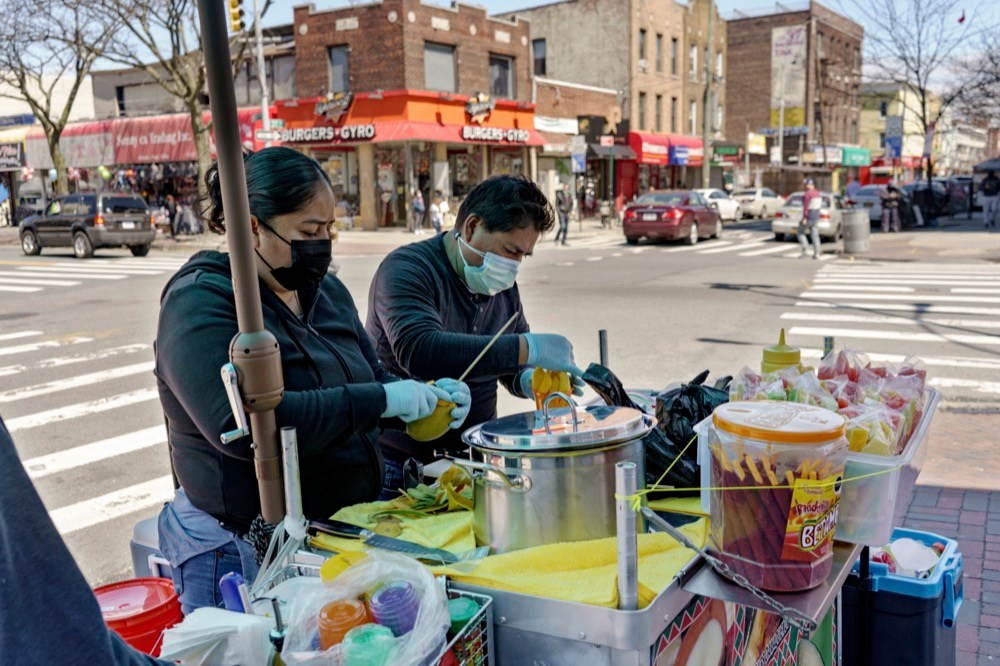
Ruth Palacios and Arturo Xelo, a married couple from Mexico, work at their fruit stand in the Corona neighborhood of the Queens borough of New York on Tuesday, April 13, 2021. They worked seven days a week for months disinfecting COVID-19 patient rooms at the Memorial Sloan Kettering Cancer Center in New York City, but weren't paid overtime Palacios says. The couple filed a federal lawsuit against the contractor that hired them, alleging their pay was cut without their knowledge from $15 an hour to $12.25. (AP Photo/Marshall Ritzel)
Ruth Palacios and Arturo Xelo, a married couple from Mexico, work at their fruit stand in the Corona neighborhood of the Queens borough of New York on Tuesday, April 13, 2021. They worked seven days a week for months disinfecting COVID-19 patient rooms at the Memorial Sloan Kettering Cancer Center in New York City, but weren't paid overtime Palacios says. The couple filed a federal lawsuit against the contractor that hired them, alleging their pay was cut without their knowledge from $15 an hour to $12.25. (AP Photo/Marshall Ritzel) Ruth Palacios and Arturo Xelo, a married couple from Mexico, work at their fruit stand in the Corona neighborhood of the Queens borough of New York on Tuesday, April 13, 2021. They worked seven days a week for months disinfecting COVID-19 patient rooms at the Memorial Sloan Kettering Cancer Center in New York City, but weren't paid overtime Palacios says. The couple filed a federal lawsuit against the contractor that hired them, alleging their pay was cut without their knowledge from $15 an hour to $12.25. (AP Photo/Marshall Ritzel)

Already battered by long shifts and high infection rates, essential workers struggling through the pandemic face another hazard of hard times: employers who steal their wages.

When a recession hits, U.S. companies are more likely to stiff their lowest-wage workers, research shows. Some businesses pay less than the minimum wage, make employees work off the clock, or refuse to pay overtime rates. In the most egregious cases, bosses don’t pay their employees at all.

Companies that hire child care workers, gas station clerks, restaurant servers and security guards are among the businesses most likely to get caught cheating their employees, according to a Center for Public Integrity analysis of minimum wage and overtime violations from the U.S. Department of Labor. In 2019 alone, the agency cited about 8,500 employers for taking about $287 million from workers.

Some major U.S. corporations were among the worst offenders. They include Halliburton, G4S Wackenhut and Circle-K stores, which agency records show have collectively taken more than $22 million from their employees since 2005.

The Center for Public Integrity, a nonprofit investigative newsroom based in Washington, analyzed data provided by the Labor Department in response to a Freedom of Information Act request. The data used in the analysis covers the period from October 2005 through September 2020 and includes all cases in which the agency determined there were minimum wage or overtime violations.