
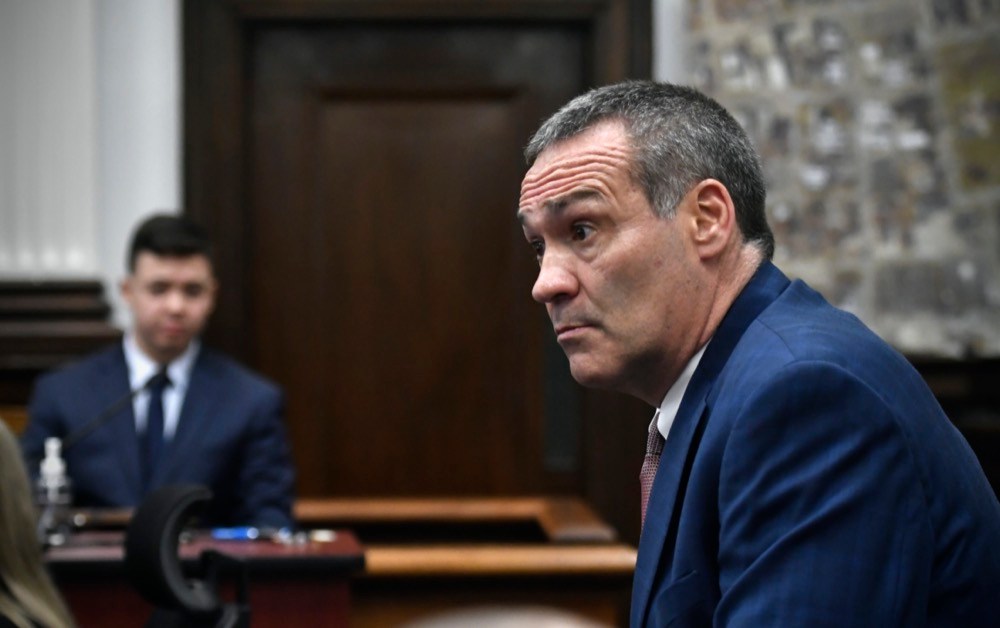
The first man Kyle Rittenhouse fatally shot on the streets of Kenosha, Wisconsin, was “irrational and crazy,” Rittenhouse’s attorney told jurors at his murder trial.
Joseph Rosenbaum had been on medication for bipolar disorder and depression, and he was trying to take Rittenhouse’s rifle, attorney Mark Richards said, suggesting there could have been more bloodshed if Rittenhouse hadn’t acted.
“I’m glad he shot him because if Joseph Rosenbaum got that gun I don’t for a minute believe he wouldn’t have used it against somebody else,” Richards said during closing arguments in the 18-year-old Illinois man’s trial for killing Rosenbaum and another man and wounding a third during a chaotic night of protests in August 2020.
To some legal experts and other observers, Richards’ remarks were a smart courtroom strategy and an accurate depiction of the threat faced by Rittenhouse, who says he shot the men in self-defense. But mental health advocates heard something different: a dangerous assumption that people living with mental illness are homicidal and need to be killed, and terminology such as “crazy” that they say is pejorative and adds to the stigma surrounding mental health issues.
Studies have shown that people with bipolar disorder and depression are more likely to hurt themselves than hurt others, said Sue Abderholden, executive director of the National Alliance on Mental Illness Minnesota. That’s why NAMI’s work includes training police officers to use de-escalation strategies when dealing with people who have a mental illness.