
Thursday, October 29, 2026Oct 29

This story is free to read.

Ed or Julia? Freedom or Valor? Army base names are changing. But to what?

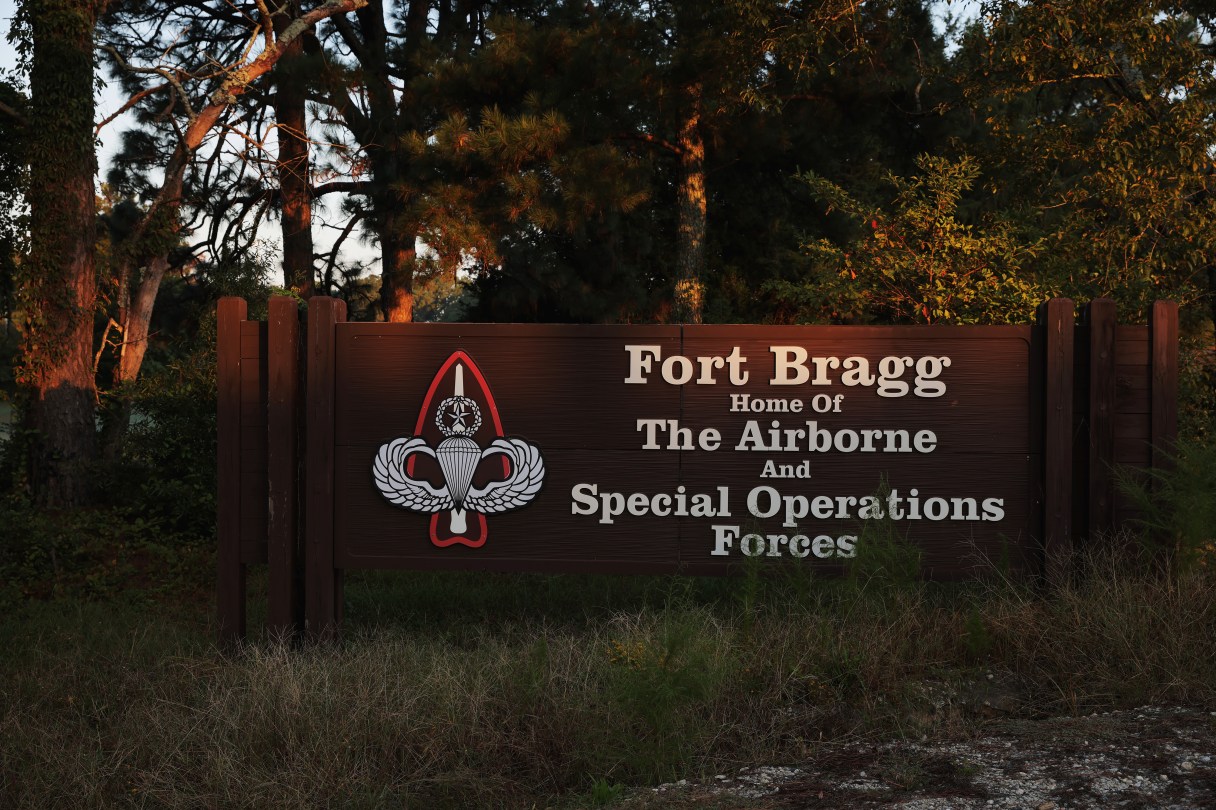
A sign on the perimeter of Fort Bragg in Fayetteville, N.C. Sept. 29, 2021. Fort Bragg, which is home to the storied 82nd Airborne Division and the Special Forces, is also central to the identity of a region in the shadows of the research triangle to the north. (Travis Dove/The New York Times)
A sign on the perimeter of Fort Bragg in Fayetteville, N.C. Sept. 29, 2021. Fort Bragg, which is home to the storied 82nd Airborne Division and the Special Forces, is also central to the identity of a region in the shadows of the research triangle to the north. (Travis Dove/The New York Times) A sign on the perimeter of Fort Bragg in Fayetteville, N.C. Sept. 29, 2021. Fort Bragg, which is home to the storied 82nd Airborne Division and the Special Forces, is also central to the identity of a region in the shadows of the research triangle to the north. (Travis Dove/The New York Times)

FAYETTEVILLE, N.C. – Fort Bragg is the largest military base in the nation, but not because its namesake was a giant of strategy or tactics.

Braxton Bragg was an ill-tempered Confederate general from a slave-owning family, largely unsuccessful aside from his defeat of Union Maj. Gen. William S. Rosecrans at the Battle of Chickamauga.

His history is not taught as part of the training curriculum for troops at the North Carolina military installation that bears his name, but many service members and nearby residents have learned all about him in recent months as legislation requiring his name be stripped from the facility takes effect.

“In a sense, changing the name will be a loss,” said Sonji Clyburn, a veteran of Fort Bragg who lives here in Fayetteville, where at least two streets and several businesses are named after the base and everyone knows someone who was “back at Bragg.”

But, she added, “I do understand people’s perspectives on this.”