
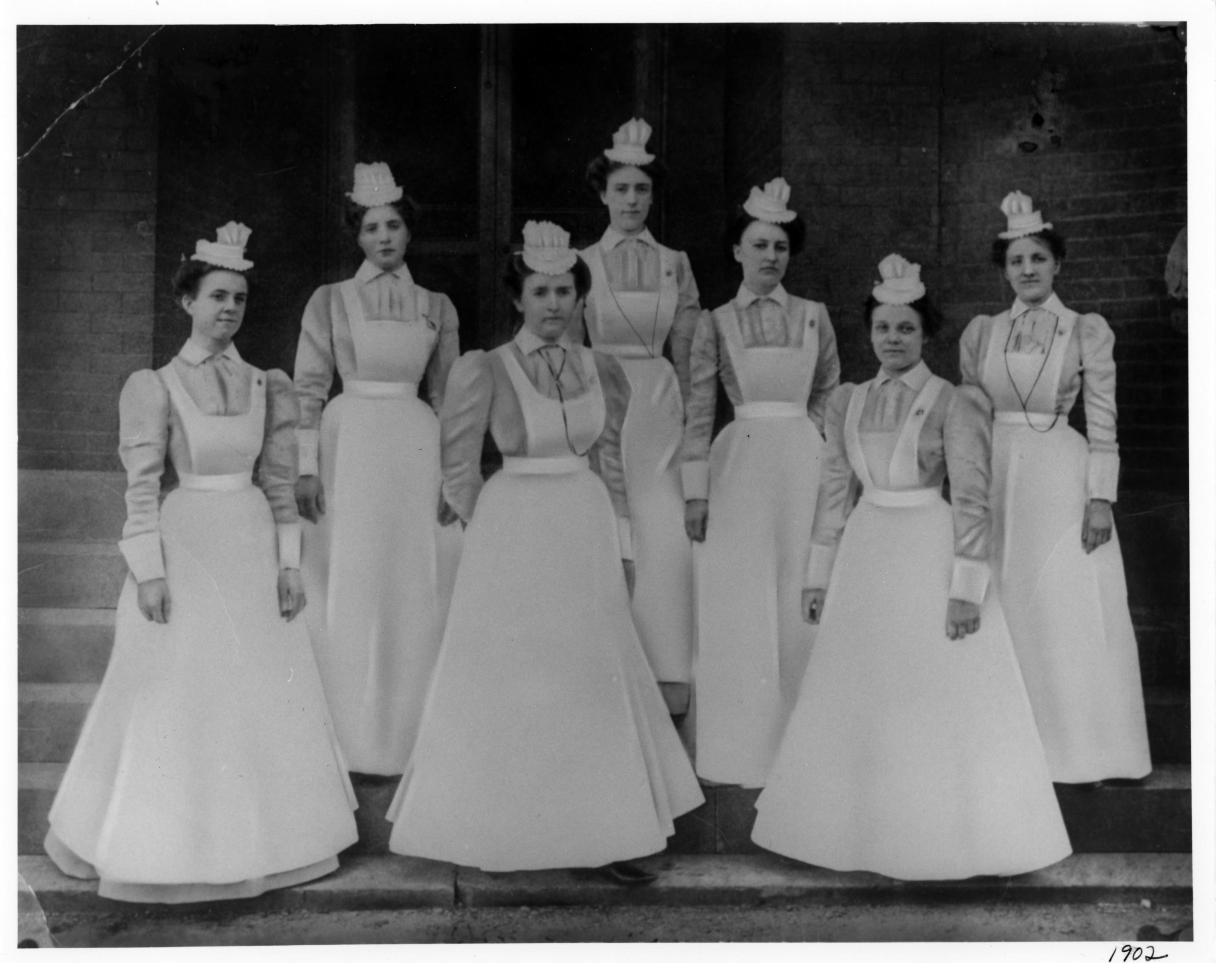
(Editor’s note: First of two parts)
According to a national poll, registered nurses are the most trusted professionals in the United States. Nurses’ heroic efforts during the current pandemic will likely further their reputation as trusted and respected professionals.
Before the end of the 19th century, a nurse was anyone who cared for the sick. During the Civil War, many Chattanooga women and men tended the wounded, both Union and Confederate, who flooded into the city following area battles. Historian Zella Armstrong in her 1931 book, “A History of Hamilton County and Chattanooga Tennessee,” lists 40 prominent women and a number of men who volunteered to nurse the sick and wounded.
Their number included Ella Newsome, a wealthy widow, who opened a 700-bed hospital to care for the casualties. Nurses trained in the field while working with doctors and more experienced volunteers. Some of these courageous volunteers gave their lives caring for the wounded. They included Elizabeth Anderson McFarland of Rossville, who died of “camp fever” in 1863.
The same was true during the Yellow Fever epidemic of 1878. Believing the mountains offered protection from the disease, most people left the city. However, some stayed behind to nurse the sick and comfort the dying. They included several ministers: Rev. John Bachman, Fr. Henry Sneed, and Fr. Patrick Ryan, who died of Yellow Fever. Chattanooga High School English teacher, Hattie Ackerman, also volunteered to remain in the city. She contracted the disease and soon died. The city eventually purchased a headstone, located in the Forest Hills Cemetery, honoring her sacrifice.