
Thursday, October 29, 2026Oct 29

This story is free to read.

US-built databases a potential tool of Taliban repression

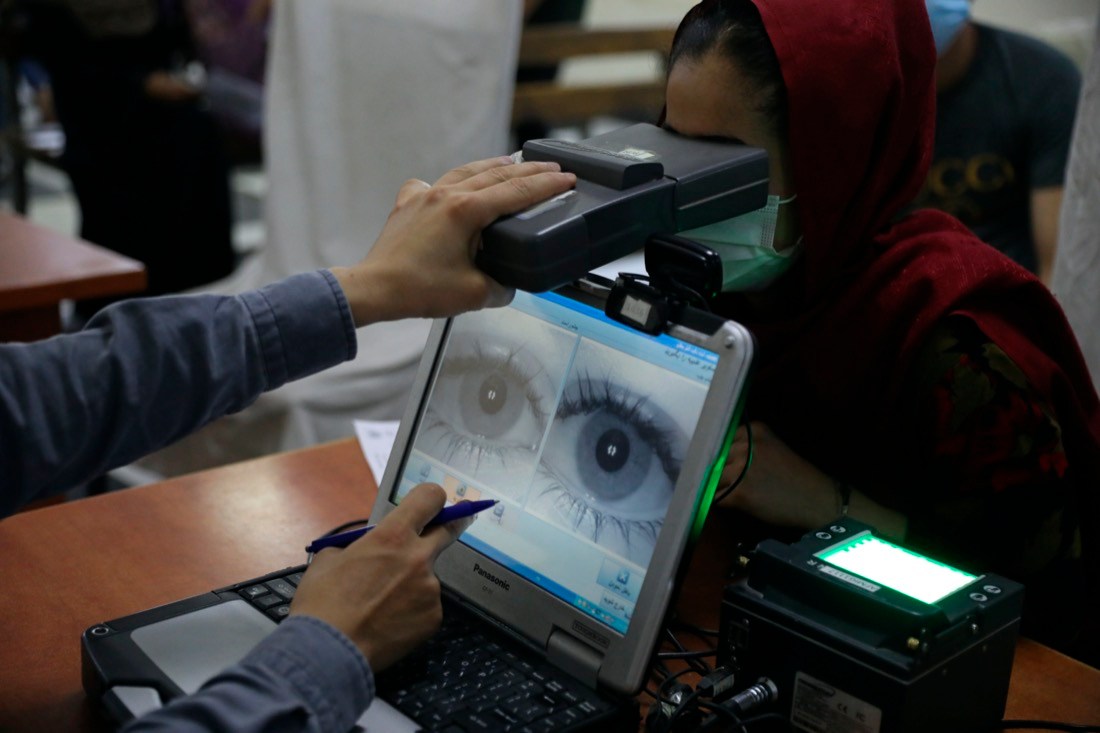
FILE - In this June 30, 2021, file photo an employee scans the eyes of a woman for biometric data needed to apply for a passport, at the passport office in Kabul, Afghanistan. Over two decades, the United States and its allies spent hundreds of millions of dollars building databases for the Afghan people. The nobly stated goal was to promote law and order and government accountability, and to modernize a war-ravaged land.  But in the Taliban's lightning seizure of power, most of that digital apparatus fell into the hands of an unreliable rulers. Built with few data-protection safeguards, it risks becoming the high-tech jackboots of a surveillance state. (AP Photo/Rahmat Gul, File)
FILE - In this June 30, 2021, file photo an employee scans the eyes of a woman for biometric data needed to apply for a passport, at the passport office in Kabul, Afghanistan. Over two decades, the United States and its allies spent hundreds of millions of dollars building databases for the Afghan people. The nobly stated goal was to promote law and order and government accountability, and to modernize a war-ravaged land. But in the Taliban's lightning seizure of power, most of that digital apparatus fell into the hands of an unreliable rulers. Built with few data-protection safeguards, it risks becoming the high-tech jackboots of a surveillance state. (AP Photo/Rahmat Gul, File) FILE - In this June 30, 2021, file photo an employee scans the eyes of a woman for biometric data needed to apply for a passport, at the passport office in Kabul, Afghanistan. Over two decades, the United States and its allies spent hundreds of millions of dollars building databases for the Afghan people. The nobly stated goal was to promote law and order and government accountability, and to modernize a war-ravaged land. But in the Taliban's lightning seizure of power, most of that digital apparatus fell into the hands of an unreliable rulers. Built with few data-protection safeguards, it risks becoming the high-tech jackboots of a surveillance state. (AP Photo/Rahmat Gul, File)

BOSTON (AP) – Over two decades, the United States and its allies spent hundreds of millions of dollars building databases for the Afghan people. The nobly stated goal: Promote law and order and government accountability and modernize a war-ravaged land.

But in the Taliban’s lightning seizure of power, most of that digital apparatus – including biometrics for verifying identities – apparently fell into Taliban hands. Built with few data-protection safeguards, it risks becoming the high-tech jackboots of a surveillance state. As the Taliban get their governing feet, there are worries it will be used for social control and to punish perceived foes.

Putting such data to work constructively – boosting education, empowering women, battling corruption – requires democratic stability, and these systems were not architected for the prospect of defeat.

“It is a terrible irony,” said Frank Pasquale, Brooklyn Law School scholar of surveillance technologies. “It’s a real object lesson in ‘The road to hell is paved with good intentions.'”

Since Kabul fell Aug. 15, indications have emerged that government data may have been used in Taliban efforts to identify and intimidate Afghans who worked with the U.S. forces.