
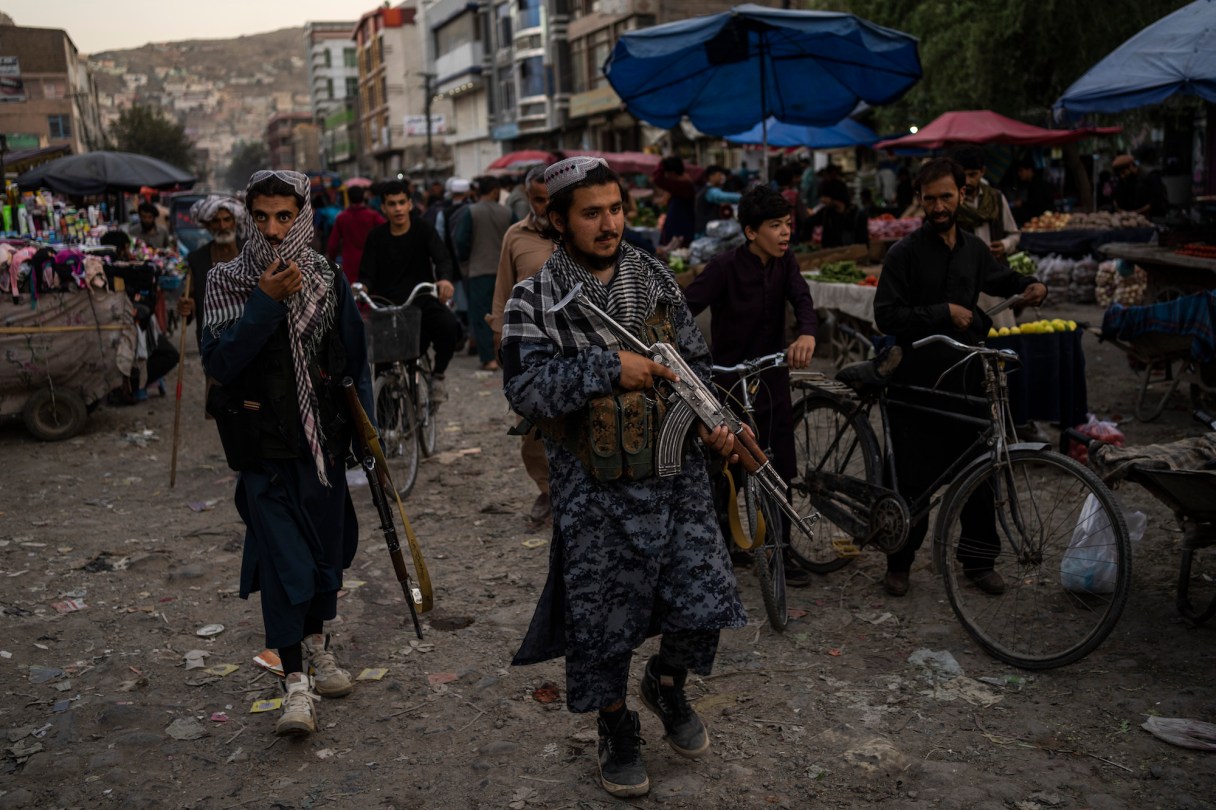
One day, 1,000 years from now, when they dig up this era, archaeologists will surely ask how was it that a great power called America set out to make the Middle East more like itself – embracing pluralism and the rule of law – and ended up instead becoming more like the Middle East – mimicking its worst tribal mores and introducing a whole new level of lawlessness into its national politics?
Middle Easterners may call their big tribes “Shiites” and “Sunnis” and Americans may call theirs “Democrats” and “Republicans,” but they each seem to operate increasingly with a conformist, us-vs.-them mindset, albeit at different intensity levels. Extreme Republican tribalism vastly accelerated as the GOP tribe became dominated by a base of largely white Christians, who feared that their long-held primacy in America’s power structure was being eroded by rapidly changing social norms, expanded immigration and globalization, leaving them feeling no longer “at home” in their own country.
To signal that, they latched on to Donald Trump, who enthusiastically gave voice to their darkest fears and raw tribal muscle that escalated the right’s pursuit of minority rule. Even once-principled Republicans mostly went along for the ride, embracing the core philosophy that dominates tribal politics in Afghanistan and the Arab world: The “other” is the enemy, not a fellow citizen, and the only two choices are “rule or die.”
Mind you, the archaeologists will also note that Democrats exhibited their own kind of tribal mania, such as the strident groupthink of progressives at 21st-century American universities. In particular, there was evidence of professors, administrators and students being “canceled” – either silenced or thrown off campus for expressing even mildly nonconformist or conservative views on politics, race, gender or sexual identity.
But what triggered the turn from traditional pluralism to ferocious tribalism in the U.S. and many other democracies? My short answer: It’s become a lot harder to maintain democracy today, with social networks constantly polarizing people, and with globalization, climate change, a war on terrorism, widening income gaps and rapid job-shifting technology innovations constantly stressing them. And then a pandemic.