
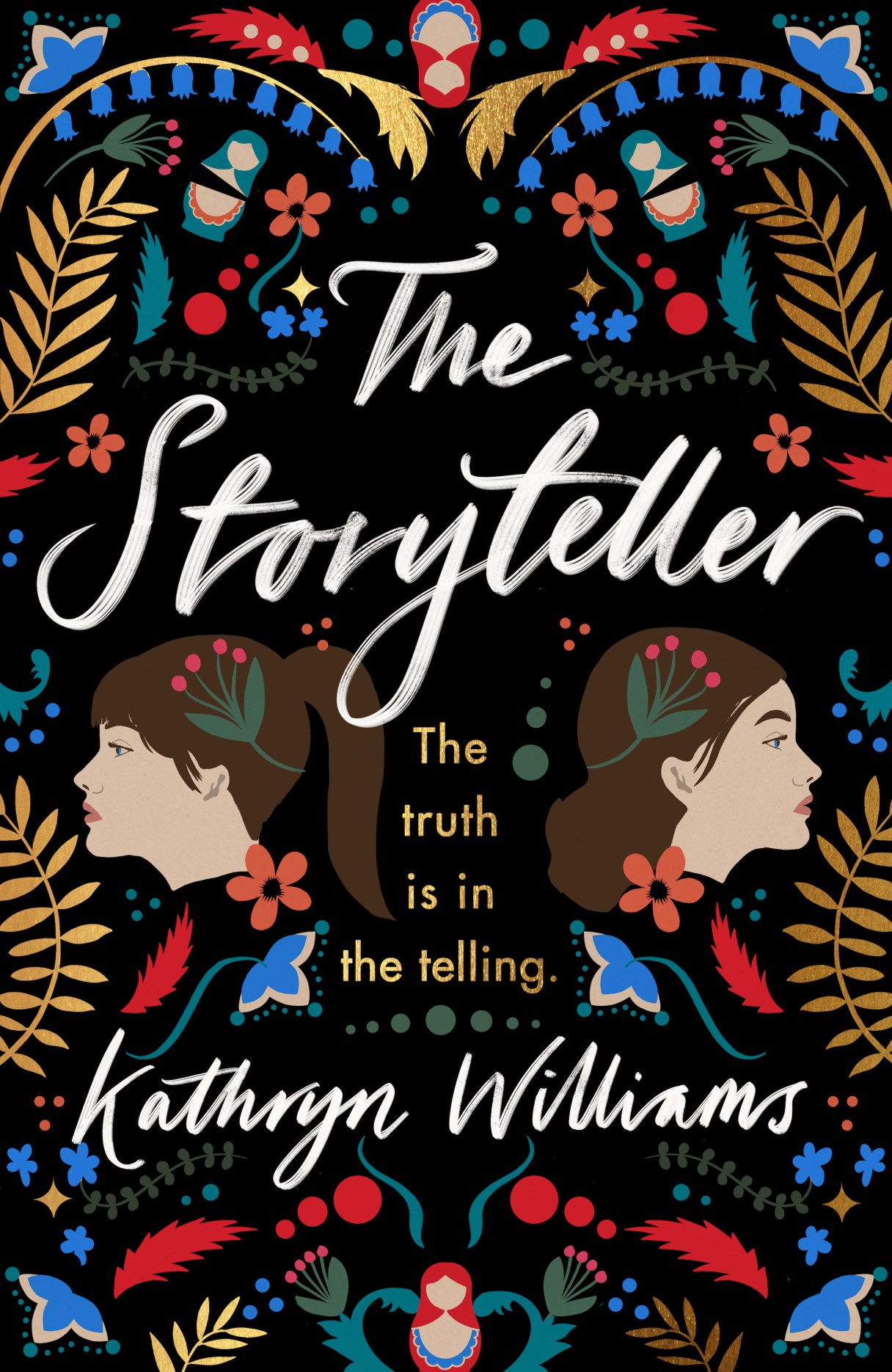
“THE STORYTELLER” by Kathryn Williams (Harper Teen, 368 pages, $18).
“I’m not sure when I became an imposter,” says 17-year-old Jess in “The Storyteller,” the new young-adult novel by Kathryn Williams.
Williams introduces a new aspect to the classic teen identity crisis when Jess is cleaning out the attic of her late aunt’s home and finds an old trunk filled with dozens of diaries written in Russian between 1913 and 1922. Her Craigslist ad for a translator turns up Evan Hermann, a nerdy yet attractive student of Russian language at the local college. As Evan begins to read the diaries aloud, he and Jess are shocked and excited to realize that the diarist claims to be the Grand Duchess Anastasia, youngest daughter of Tsar Nicholas II of Russia. And so begins their investigation into whether Jess’ mysterious great-great-aunt Anna could possibly have been the real Russian princess or only one of many imposters.
Williams, who holds a master’s in creative writing from the Sewanee School of Letters, answered questions about “The Storyteller” by email.
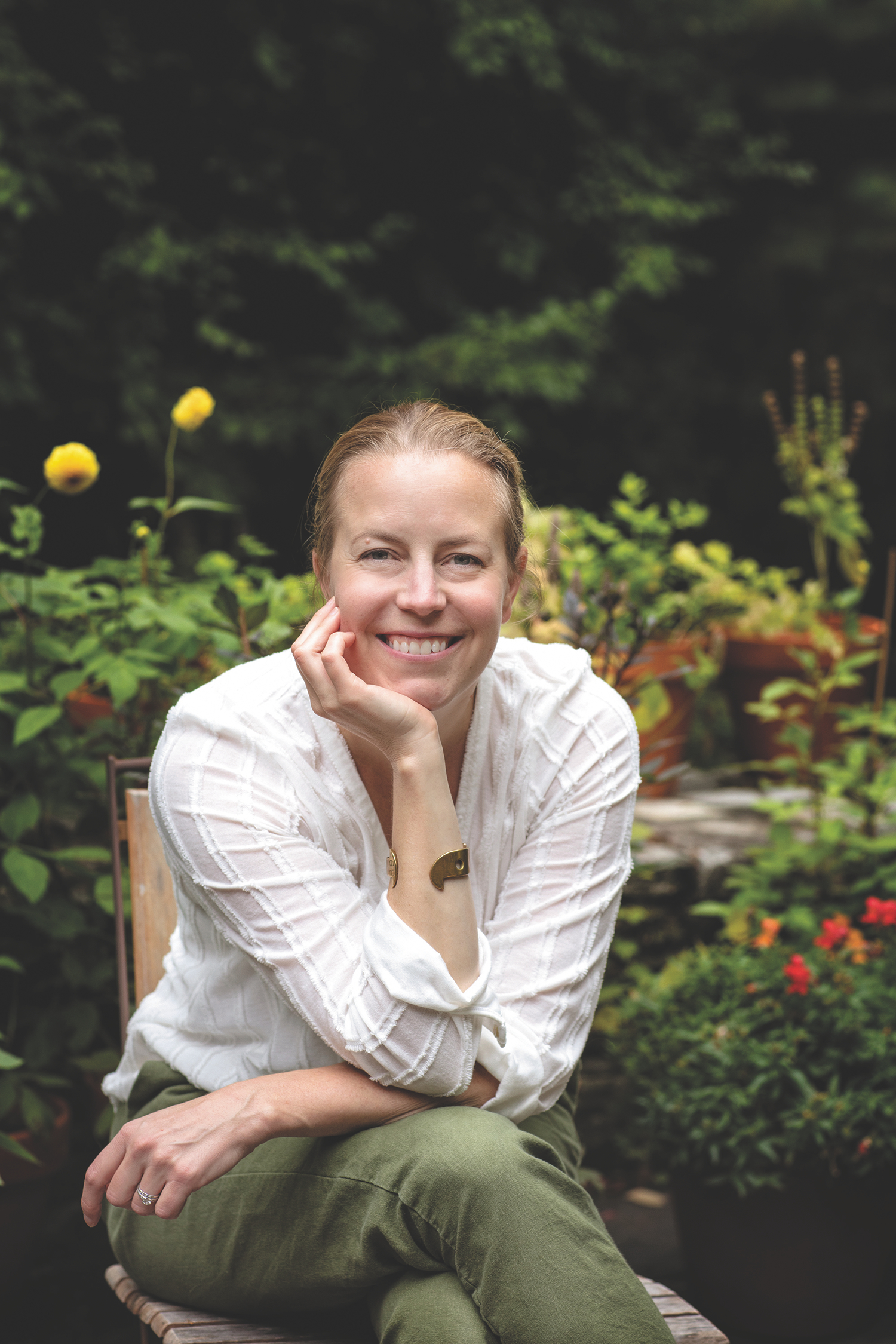 Contributed Photo by Anna Williams / Kathryn Williams
Q: A central theme of “The Storyteller” is what it means to be true to oneself and the ways in which we all sometimes mislead others about who we really are. Why did this idea of identity resonate so strongly with you?
A: This is my fourth young-adult novel, and I’ve realized that, in the end, every one of them is about my protagonist figuring out who she is, because this is the great work of the teen years. But that work is done against the backdrop of big outside pressures.
Growing up female and upper-middle class in the South, where presentation was always important, might have had something to do with it. I was acutely aware, even in the days before social media, that people carefully crafted their image, and I often chafed at this because I am a person who literally cannot tell a lie (unless it’s a novel)! These days, I am as blunt and unladylike as I please.
Q: Another central thread running through the novel is loss, both political and personal. How have losses in your own life given you insight into that kind of pain and enabled you to put it into such poignant images for your readers?
A: There’s the unfortunate cliché that YA authors always kill off a parent, and I’ve been guilty of that. I’m not sure why, except that it immediately raises the stakes by making a character vulnerable. Maybe at a Freudian level, it’s that the teen years are about differentiation and becoming independent, and having a parent die is a very literal way to do that.
I did not experience the kind of loss that Evan or Anna do in the story – I had a very stable childhood and young adulthood – but my mother passed away while I was writing this book, and I think that fresh loss took me deeper into all of my characters’ pain.
Q: The diarist’s story is at the heart of the novel. How did you manage to place yourself so thoroughly into the mindset of a tragic Russian émigré?
A: Luckily, there is so much fascination with the Romanovs that there are loads of sources about them – books, articles, movies, blogs and also primary sources – and many are digitized. So I read extracts of her (translated) letters, as well as diaries of the other grand duchesses. What that mostly provided me, actually, was the levity – the mundane details of a young woman living at that time. For the hard stuff, the trauma, I guess like a Method actor I had to call on my own darkest times and deepest losses.
Q: As a leader of writing workshops for teens, how do you inspire them to do the hard work of writing in a world that is filled with distractions?
A: The main thing is that I don’t try to act like I’ve figured it all out myself. This last book took me almost 10 years, so I can hardly preach about buckling down – then again, this book took me 10 years, and I never gave up on it because I knew it was a story I had to wrestle to the ground, if only for my own growth as a writer.
The toughest thing can be not jumping ship when the story gets tough – you lose your thread, realize your character is totally flat or know what points A, B, C and Z are but no idea how to get from C to Z. I’ve known really talented young writers who have started six novels but never finished one. I just tell them they’ve got to pick one, they’ve got to see it through to learn. Usually, if you give them the space and encouragement, they can do it. Deadlines help.
To read an uncut version of this interview – and more local book coverage – visit Chapter16.org, an online publication of Humanities Tennessee.