
Tuesday, November 10, 2026Nov 10

Meta: Russian invasion driving more disinformation online

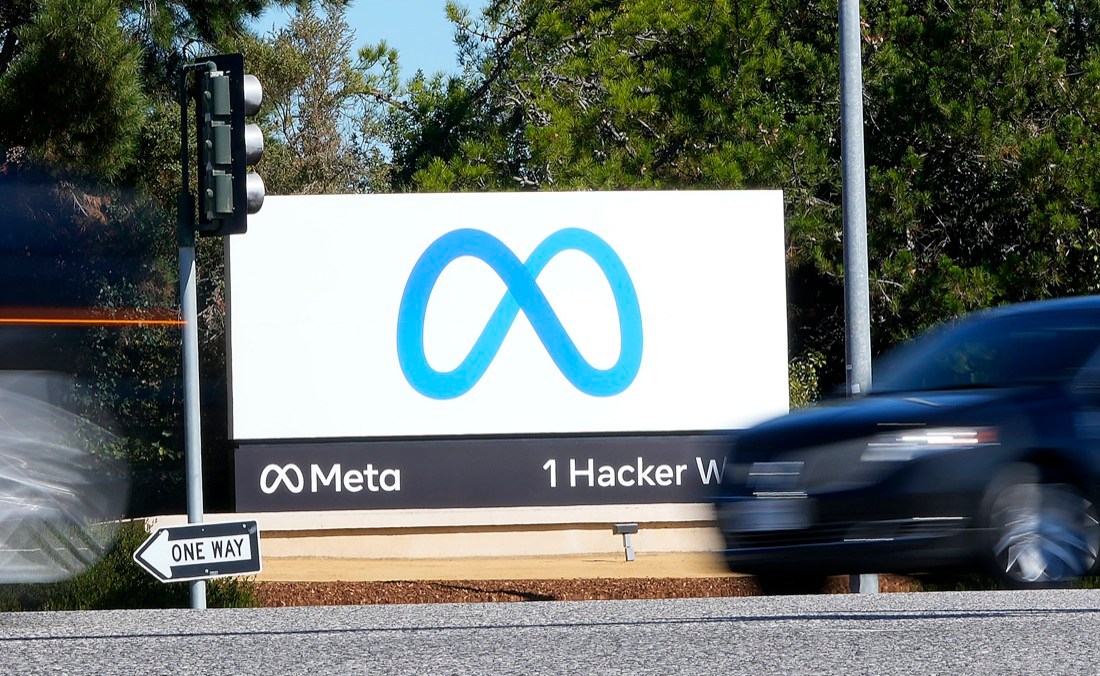
FILE - In this Oct. 28, 2021, photo, Facebook unveiled their new Meta logo on a sign at the company headquarters in Menlo Park, Calif. A new report from Meta finds a big jump in disinformation and propaganda linked to Russia's invasion of Ukraine. The company, which owns Facebook and Instagram, said its review of the first quarter of 2022 also found an increase in domestic disinformation and propaganda in countries around the world (AP Photo/Tony Avelar, File)
FILE - In this Oct. 28, 2021, photo, Facebook unveiled their new Meta logo on a sign at the company headquarters in Menlo Park, Calif. A new report from Meta finds a big jump in disinformation and propaganda linked to Russia's invasion of Ukraine. The company, which owns Facebook and Instagram, said its review of the first quarter of 2022 also found an increase in domestic disinformation and propaganda in countries around the world (AP Photo/Tony Avelar, File) FILE - In this Oct. 28, 2021, photo, Facebook unveiled their new Meta logo on a sign at the company headquarters in Menlo Park, Calif. A new report from Meta finds a big jump in disinformation and propaganda linked to Russia's invasion of Ukraine. The company, which owns Facebook and Instagram, said its review of the first quarter of 2022 also found an increase in domestic disinformation and propaganda in countries around the world (AP Photo/Tony Avelar, File)

Hackers aligned with Russia broke into the social media accounts of dozens of Ukrainian military officers and were working to upload videos of defeated and surrendering Ukrainian soldiers when the plot was disrupted, according to a report Thursday from Meta that details a troubling increase in social media disinformation this year.

The report from the owner of Facebook and Instagram found a surge in content linked to Russia’s invasion of Ukraine as well as new cases of domestic disinformation and propaganda in countries around the world, suggesting that tactics pioneered by foreign intelligence agencies are now being used more widely.

“While much of the public attention in recent years has been focused on foreign interference, domestic threats are on the rise globally,” said Nick Clegg, Meta’s president for global affairs and a former British deputy prime minister.

Russia and its allies are major players, according to the report, with groups linked to the Kremlin spreading disinformation about its invasion of Ukraine while amplifying pro-Russian conspiracy theories at home.

Meta traced the effort to take over the social media accounts of dozens of Ukrainian military leaders back to a shadowy hacker organization known as Ghostwriter, which previous research has linked to Belarus, a Russian ally. Ghostwriter has a history of spreading content critical of NATO, and also has tried to hack email accounts.