
Tuesday, November 10, 2026Nov 10

Long-term mortgage rates under 5% for 1st time in 4 months

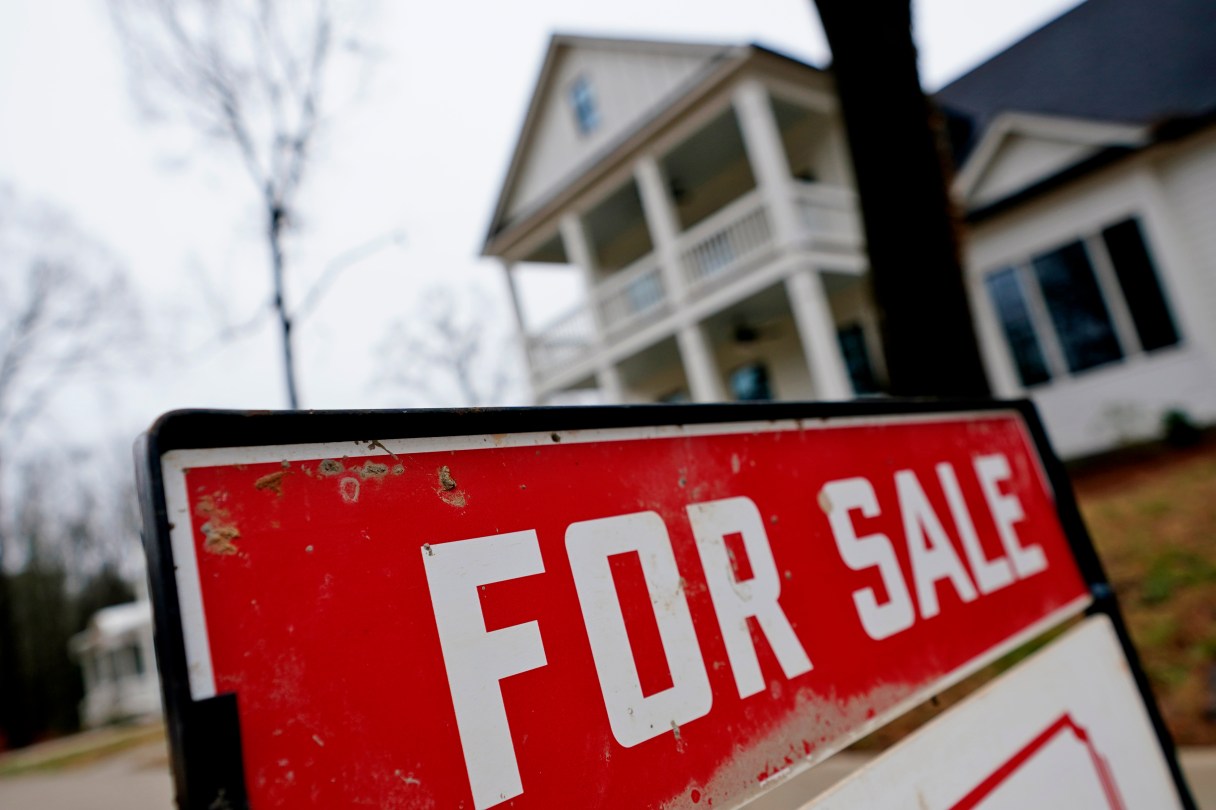
FILE - In this Thursday, Feb. 18, 2021, file photo, a new home is for sale in Madison, Ga. Mortgage buyer Freddie Mac reported Thursday, July 14, 2022, that the 30-year rate rose to 5.51% from 5.30% last week, just as the latest government data shows inflation has not slowed, meaning the Federal Reserve is almost certain to raise its benchmark borrowing rate again. (AP Photo/John Bazemore, File)
FILE - In this Thursday, Feb. 18, 2021, file photo, a new home is for sale in Madison, Ga. Mortgage buyer Freddie Mac reported Thursday, July 14, 2022, that the 30-year rate rose to 5.51% from 5.30% last week, just as the latest government data shows inflation has not slowed, meaning the Federal Reserve is almost certain to raise its benchmark borrowing rate again. (AP Photo/John Bazemore, File) FILE - In this Thursday, Feb. 18, 2021, file photo, a new home is for sale in Madison, Ga. Mortgage buyer Freddie Mac reported Thursday, July 14, 2022, that the 30-year rate rose to 5.51% from 5.30% last week, just as the latest government data shows inflation has not slowed, meaning the Federal Reserve is almost certain to raise its benchmark borrowing rate again. (AP Photo/John Bazemore, File)

WASHINGTON (AP) – The average long-term U.S. mortgage rate fell below 5% for the first time in four months, days after the Federal Reserve jacked up its main borrowing rate in an aggressive effort to get inflation under control.

The 30-year rate tumbled to 4.99% from 5.3% last week, mortgage buyer Freddie Mac reported Thursday. A year ago, the rate was 2.77%.

The average rate on 15-year, fixed-rate mortgages, popular among those refinancing their homes, fell to 4.26% to from 4.58% last week.

“Mortgage rates remained volatile due to the tug of war between inflationary pressures and a clear slowdown in economic growth,” said Sam Khater, Freddie Mac’s chief economist. “The high uncertainty surrounding inflation and other factors will likely cause rates to remain variable, especially as the Federal Reserve attempts to navigate the current economic environment.”

Last week, the Fed ratcheted up its main borrowing rate by three-quarters of a point, the second such increase in less than two months. The central bank also raised its benchmark rate by a half-point in May, beginning its aggressive pivot to try to stifle four-decade high inflation.