
Walker County is proposing changes to its alcohol laws to allow for farm wineries – an industry that’s established deep roots in several other nearby Northwest Georgia counties.
Shannon Whitfield, chair of the Board of Commissioners, introduced the bill last week.
The ordinance would add state-licensed farm wineries to the list of establishments allowed to sell alcoholic beverages by the package to be consumed off the premises. Restaurants, cafes, eating places and private clubs are prohibited from selling alcohol by the package, and only licensed grocery stores or retail stores can sell it under the current law.
The ordinance also exempts state-licensed farm wineries from certain lighting and visibility requirements, including the requirement that retailers be visible from a public street, road or highway, that they have a window allowing people to see inside and that their interiors and parking lots be lit.
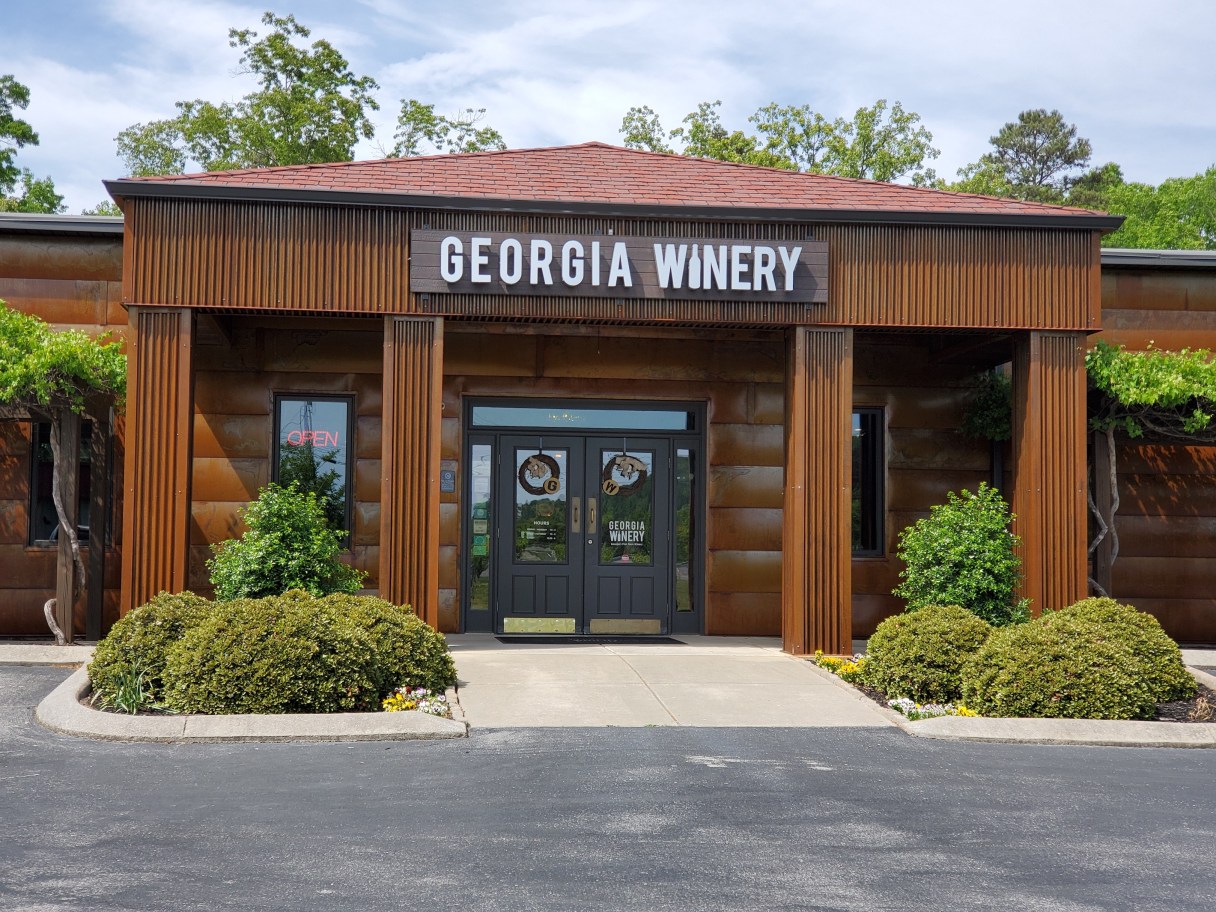
In neighboring Catoosa County, Georgia Winery of Ringgold was the first business of its kind in the state, said the business’s director of sales and marketing, Kayela Wintjen. She said there are lots of wineries all over Georgia, especially in the Ellijay and Dahlonega areas.
“People in the South do love their wines,” she said.
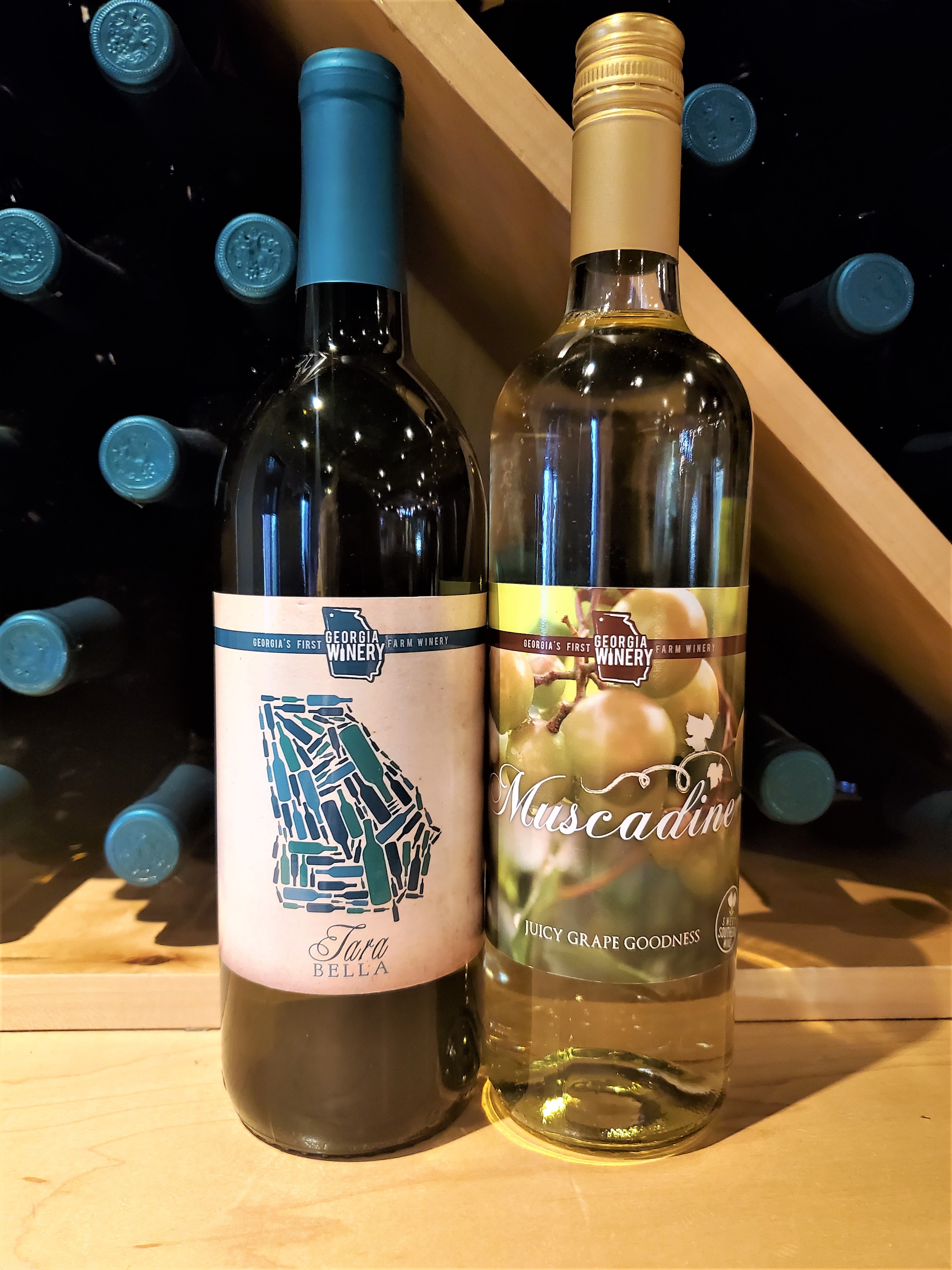 Photo courtesy Georgia Winery / A selection of wines available at Georgia Winery in Ringgold is shown.
Wintjen said Georgia Winery started in the 1980s, and while the industry is growing, it’s still mostly surrounded by traditional agricultural operations: strawberry growers, cattle ranchers and farmers who grow vegetables.
The winery was founded by a cardiologist who discovered through a land survey that the property he bought was only good for growing grapes. The business is successful, she said, and over the years it has seen many more wineries start up nearby.
Just like what Walker County is undertaking now, Wintjen said several changes were made to Catoosa County law over the years to make way for the wine industry.
After all those years, they’re still a family-owned-and-operated farm, she said, specializing in muscadine wine made from grapes native to the South. But along with making wine, they also host events, allow guests to pick their own grapes for a fee and offer tours and wine tastings.
Though Wintjen said Georgia Winery pioneered farm winemaking in Georgia 40 years ago, she doesn’t seem surprised that more counties are making provisions for farm wineries.
“It’s just a good area for it,” she said.
Whitfield said commissioners could vote to approve the changes to the county code at the next meeting of the board on Feb. 10. The public meeting will be 7-8:30 p.m. at 201 South Main St. in LaFayette.
Contact Andrew Wilkins at awilkins@digital.wehco.com.
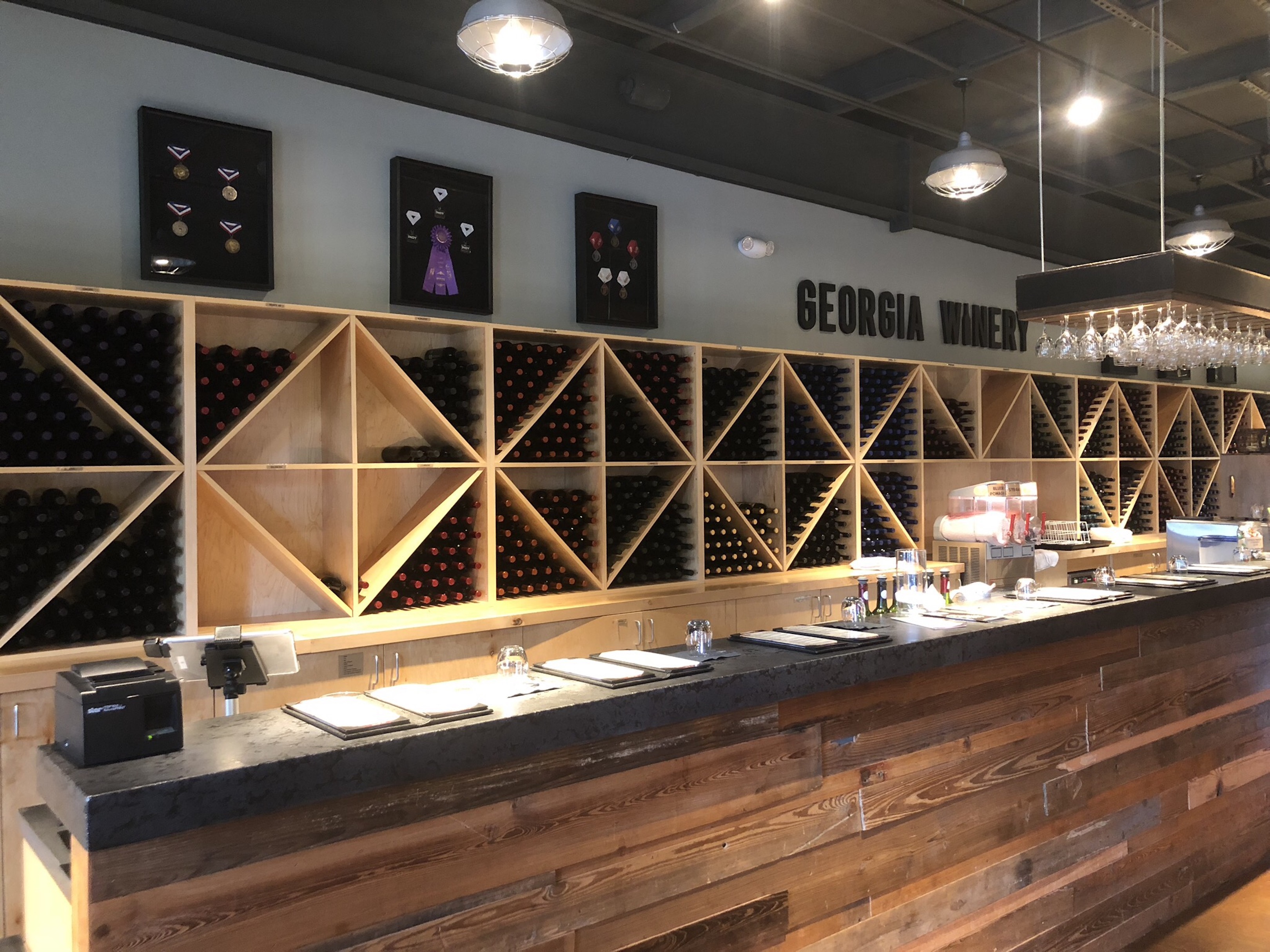 Photo courtesy Georgia Winery / The inside of Georgia Winery on Battlefield Parkway in Ringgold is shown.