
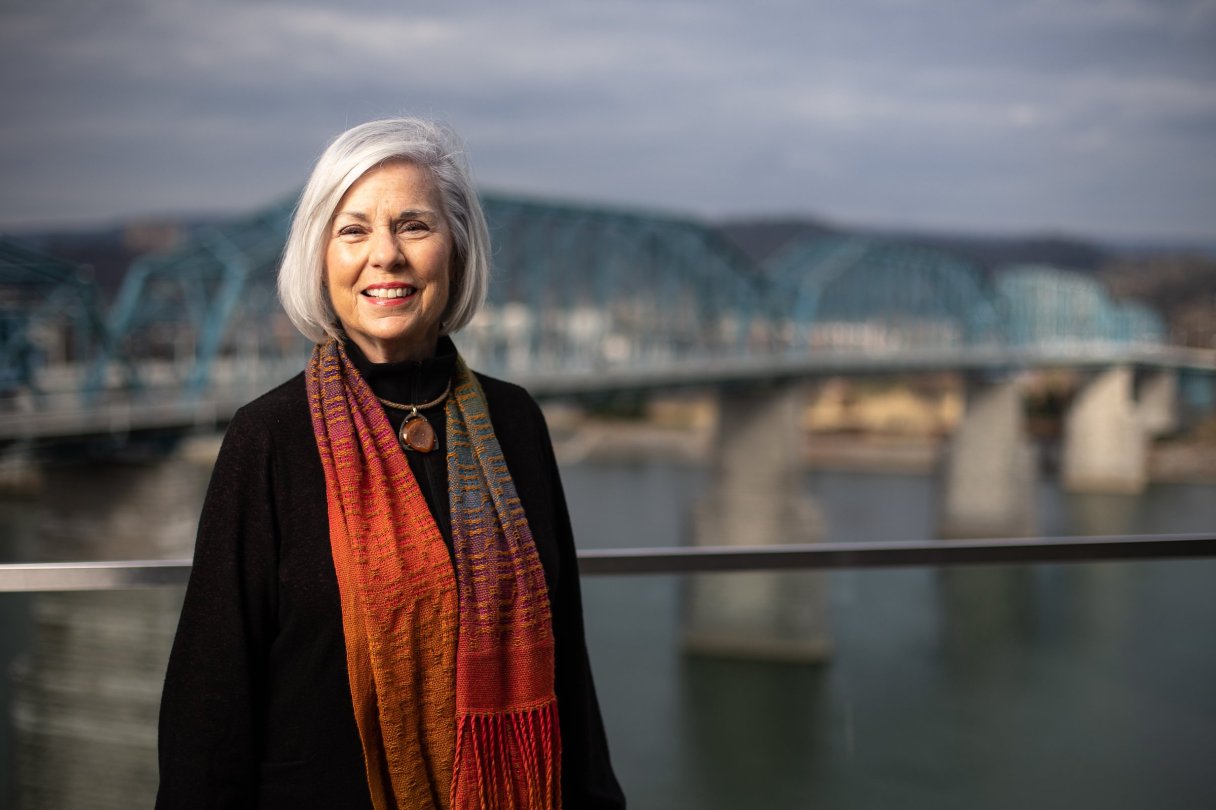
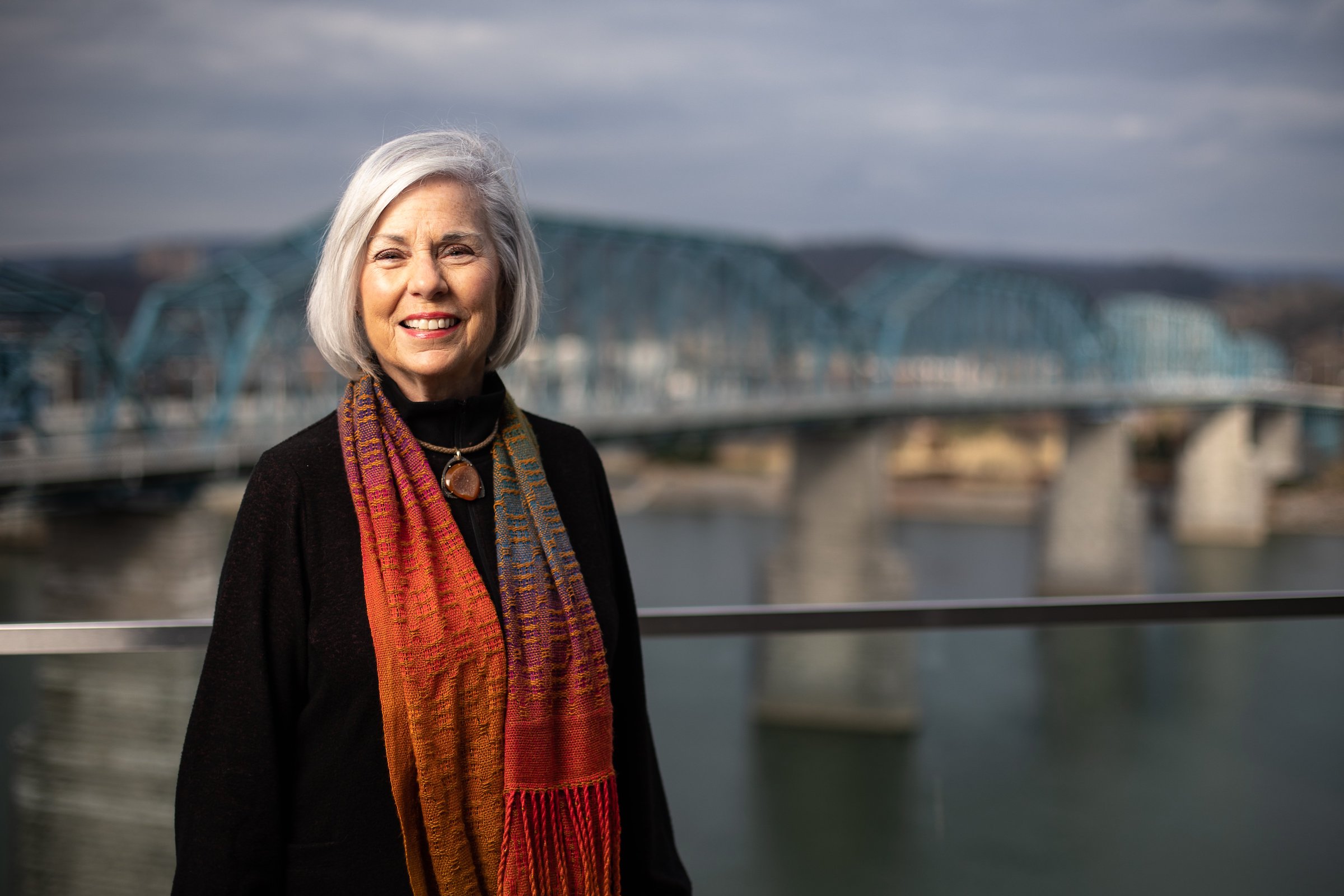
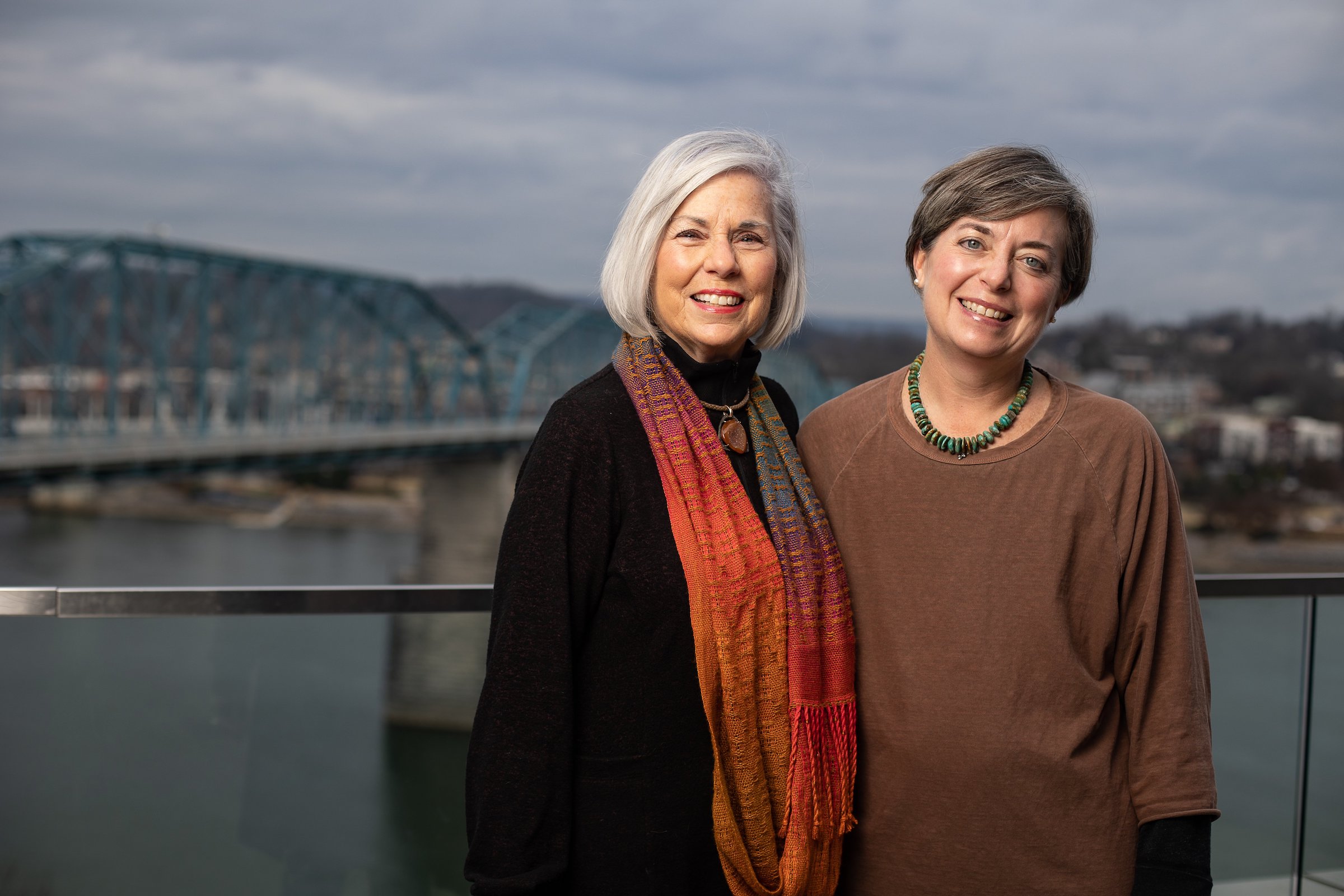
After more than 25 years in banking, Sue Culpepper jumped to a career in higher education where she helped guide students at the University of Tennessee at Chattanooga through college and into the business world.
“It was fun and I loved it, and then COVID hit,” Culpepper says.
When she retired in October 2020 after nearly a decade at UTC, Culpepper was confronting both anxiety about the pandemic and the need to support her adult daughter through harrowing cancer treatment.
“She was starting chemo, and I looked at [my husband] Lee, and said, ‘I think it’s time. I don’t think I can do all this,'” Culpepper says. “With all the concern there, I did not want to infect her.”
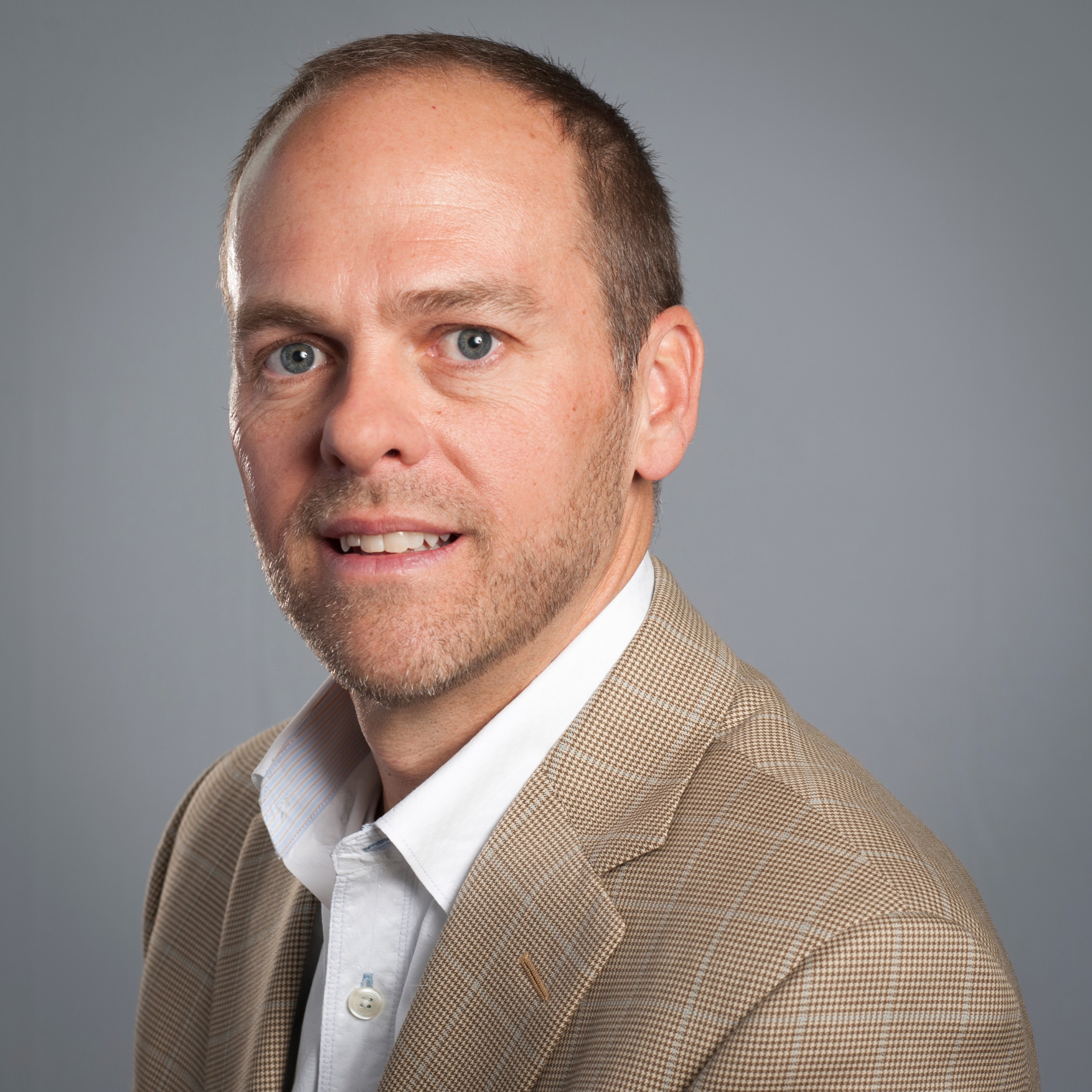
A host of factors has driven significant growth in the ranks of U.S. retirees in the last two years, from concerns about COVID-19 among older workers to rapid gains in real estate values and financial portfolios, says Greg Clark, senior vice president of business development for Chattanooga-based ProNvest, which provides retirement and investment managed services.
“I do think we’re seeing a blip right now,” he says. “It’s really hard to look at 18 months or 24 months and know for sure, but the next two or three years will tell the tale.”
By the third quarter of 2021, slightly more than 50% of U.S. adults 55 and older had left the labor force due to retirement, up from 48% in 2019, according to a recent analysis by Pew Research Center.
Between 2008 and 2019, the number of retired workers 55 and older grew by about 1 million a year. From 2019 to 2021, that population jumped by 3.5 million, Pew reported.
The most significant increase in older adults leaving the workforce is happening in workers 65 to 74, the Pew report shows. In the third quarter of 2019, 64% of adults in that age range were retired. Two years later, nearly 67% had called it quits.
In addition to COVID concerns and stronger financial foundations, Clark says, the pandemic has inspired people to take a fresh look at their priorities.
“People are realizing what’s important to them, and how quickly it can go away,” Clark says. “They’re wondering, is it really worth it? Am I missing out on some things I don’t want to miss out on?”
That was David Roddy’s mindset when he decided to wrap up his law enforcement career in the summer of 2021, he says. The former chief of the Chattanooga Police Department had spent 26 years on the force, rising through the ranks to ultimately lead the organization.
“[My wife] Shannon and I reflected the other day while we were with other family members, I was on call for over 22 of those 26 years,” Roddy says. “As an investigator, 15 years on SWAT, in supervisory and command roles, as chief of staff and then as chief. It pulled me away, but every time it pulled me away, it pulled them, too.”
The pandemic wasn’t the single crisis that prompted his decision, given that law enforcement professionals know from the start that crises of every sort will be their business, Roddy adds.
“I have experienced many of those [crises] over 26 years, the pandemic was no different – well, maybe a little different – but when you enter this profession, you accept the fact that you will work in this environment,” he says.
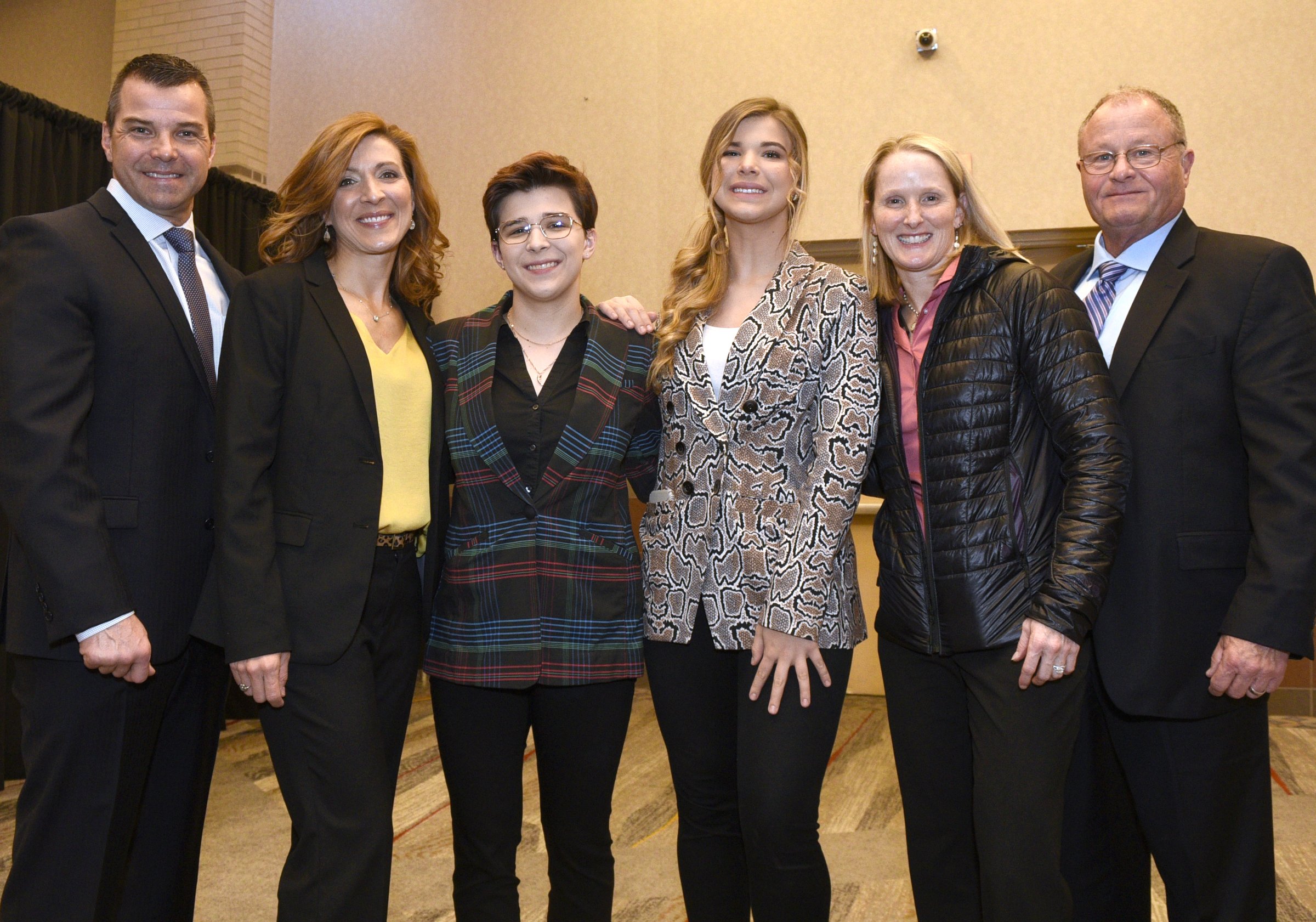

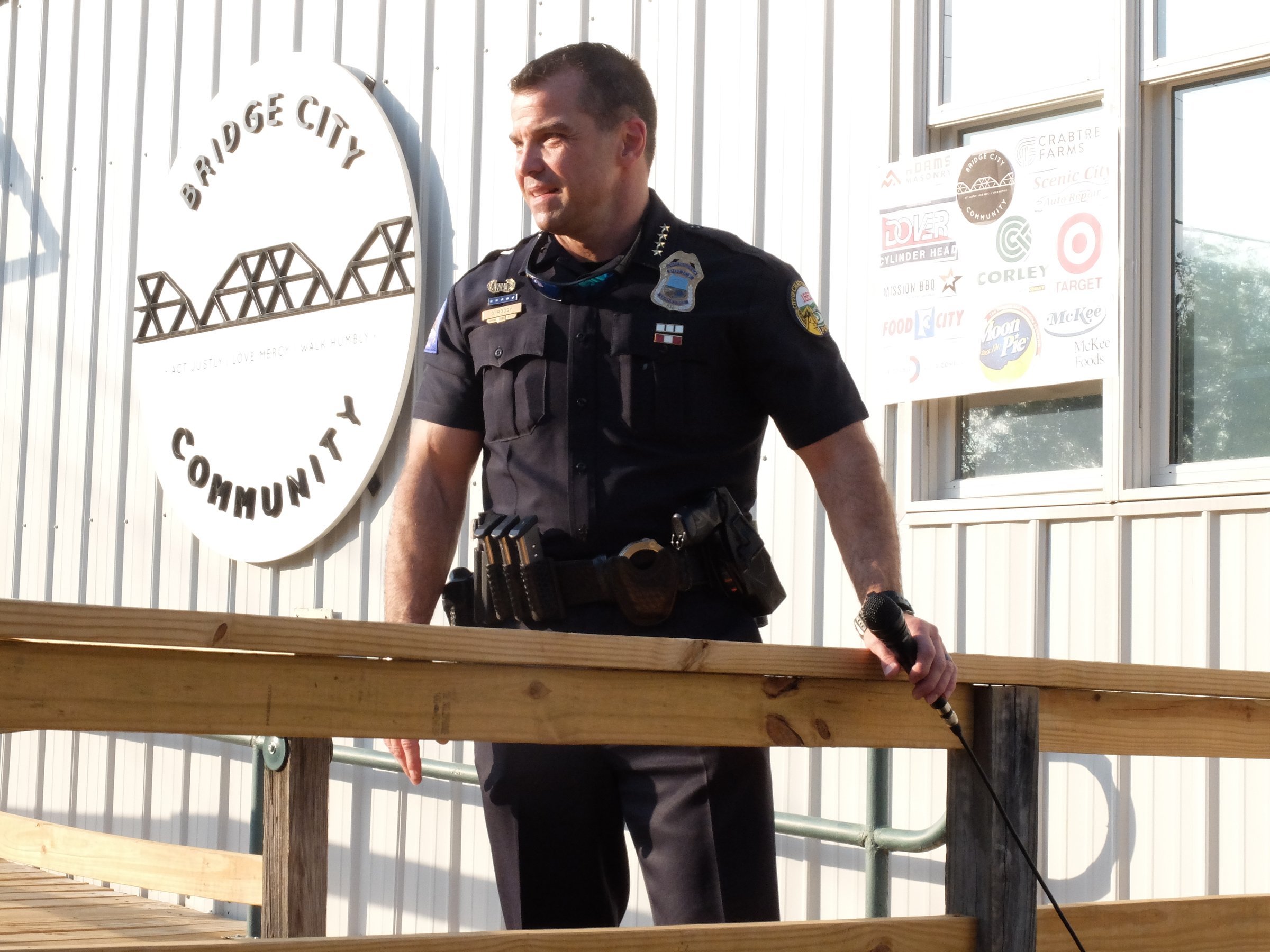
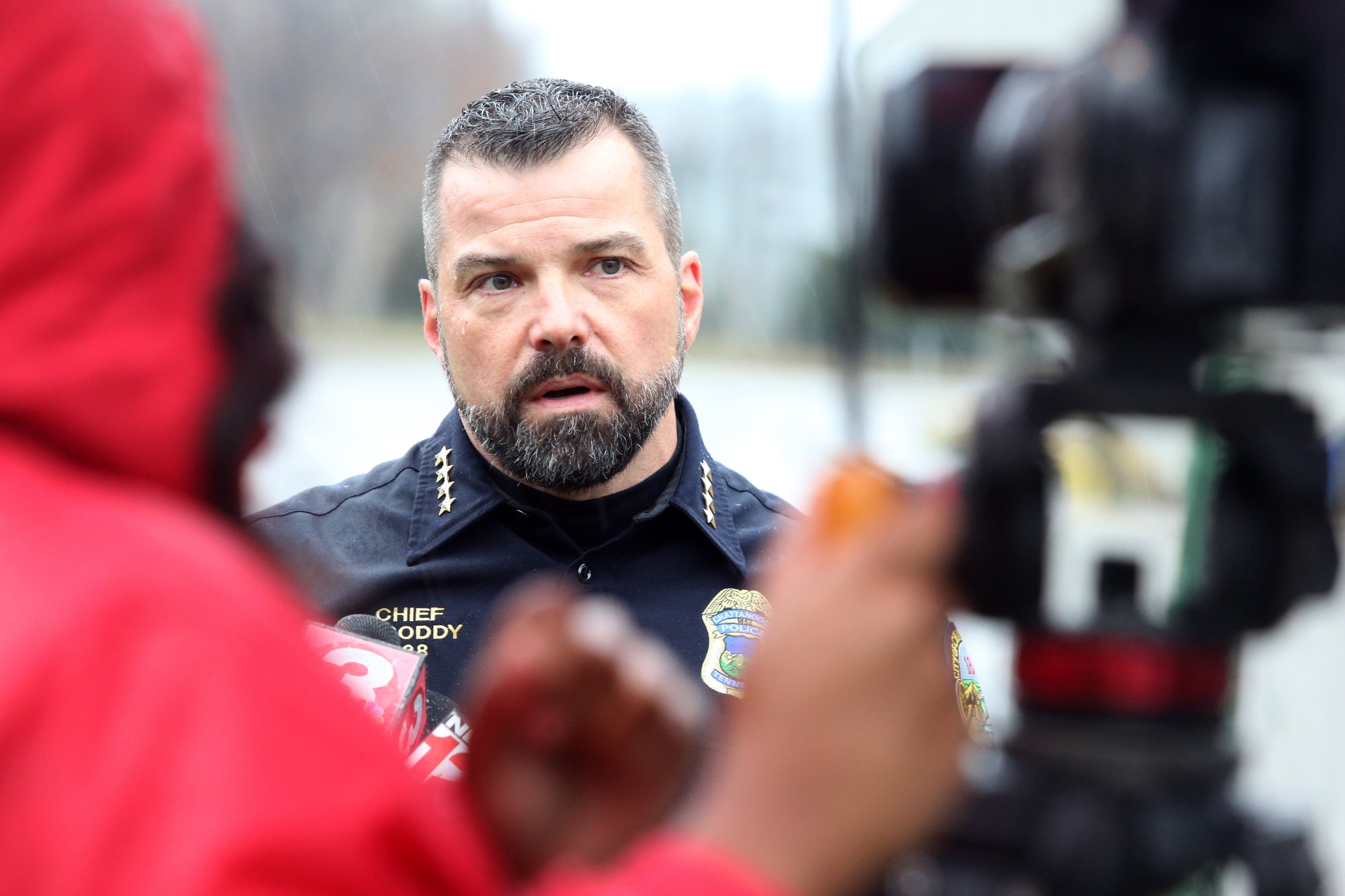
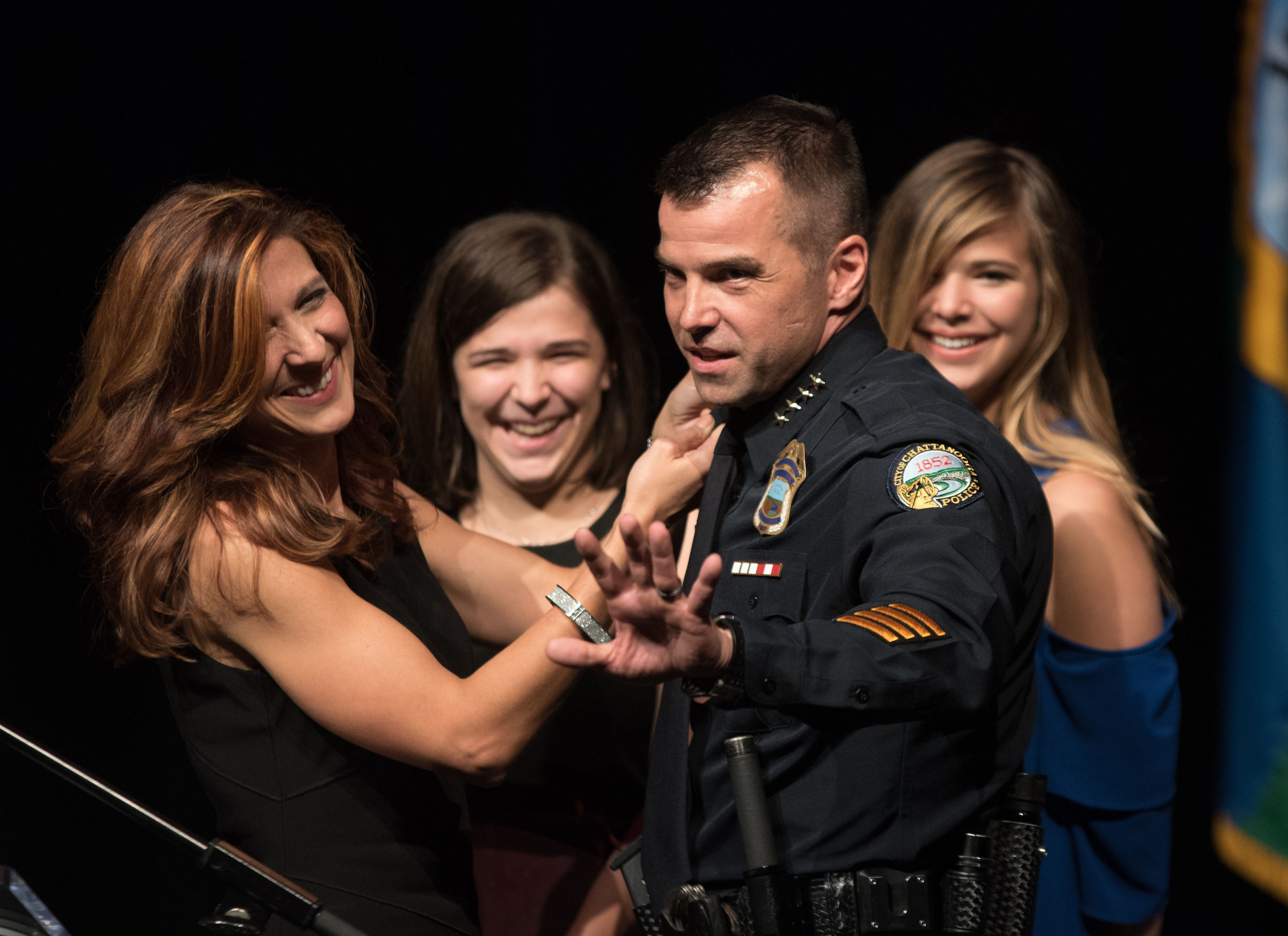
Now he is focused on time with his wife and daughters, who are 17 and 19, before he steps into his second professional act, Roddy says.
“I got some very sage advice from a friend who called me after I announced: Don’t get in a hurry, but leave your phone on,” Roddy says. “I have been extremely blessed with many different career possibilities. None of them have been similar, and none are in law enforcement.”
Doing the Math
For Roddy, 50, retirement didn’t come as early as it might seem, he says.
“I have a friend in the corporate world who said, ‘It’s great you retired this early.’ He’s not set to retire until 65, and he’s about my age,” Roddy says. “But I didn’t retire early; I retired a year late. Law enforcement is designed for us to retire after 25, 26, 28 years and then go do something else. Nobody wants a 65-year-old police officer bailing out of a patrol car for a foot pursuit.”
When the Roddys visited financial advisers to talk about their money picture as the chief contemplated retirement, the number-crunchers took one look at his law enforcement pension and gave him direct instructions, Roddy says.
“When we sat down and I explained how the police and fire pension worked, they were like ‘This is not something we deal with very often,'” Roddy says. “When they broke it down, they were like, ‘You’re fine – go do something else.'”
For Culpepper, 72, the big question that needed answering as she planned her second and final retirement was health care. She had maintained her employer-sponsored health insurance, and switching to Medicare-only coverage was a little daunting, she says.
“My husband retired about five years ago, so there was that pressure of looking at health care and making sure you understand Medicare and what the supplements look like,” Culpepper says. “I hired someone to help me understand that.”
For anyone considering wrapping up a career, understanding what income they’ll need and where it will come from is the most critical task, Clark says.
“A lot of people focus on the [retirement account] balance, but a lot of it is going to depend on your specific need,” he says. “You have to look at the assets you have. Your retirement plan and potentially your home are your two largest assets.”
And for anyone with those assets, some opportunities have opened up in the last couple of years, he says.
401(k) account balances hit record highs in 2021, according to Fidelity Investments, as the stock market delivered gains last year including a nearly 27% increase for the S&P 500 and more than 18% for the Dow Jones Industrial Average.
“Real estate is up 20%, and maybe they want to downsize, so they are in a much better position to manage expenses and have the dollars to live in retirement,” Clark says.
The wave of baby boomers aging into retirement is also shifting the landscape, Clark adds. Boomers are now between 58 and 76 years old, and number 76 million. And for some people in downstream generations, the wealth boomers have accumulated may create opportunities for earlier retirements in the future, he adds.
But it’s always smart to plan for a change of fortunes, Clark says.
“The biggest thing for folks to understand is their income needs, and thinking about it as it pertains to inflation,” he says. “The market can turn. Just because your 401(k) became your 801(k) doesn’t mean it can’t go back to your 201(k).”
What’s Next
As she thought about life in retirement, Culpepper often considered advice she’d gotten from a friend: “You need to retire to something, not from something.”
For about a year, her primary focus was on helping her daughter, Angie Supan, through treatment, Culpepper says.
“My job was to cook for her. I found a cookbook for what to eat when you’re going through cancer treatment,” Culpepper says. “Learning the chemistry for what you feed patients was really an educational experience.”
Now that her daughter has completed treatment and has a good prognosis, Culpepper feels as if retirement has really begun, she says.
“I volunteer with the Mary Ellen Locher Breast Center, at Signal Centers and Memorial Hospital,” Culpepper says. “I have lots of things to keep me busy, but not too much.”
At the start of the pandemic, Culpepper and her neighbors began meeting in their yards for a distanced, outdoor happy hour each evening to stay connected and stave off isolation, she says.
“It was great to keep our mental stability about us,” she says. “We were at home so much at that time, and we’re still doing it.”
For Roddy, his retirement means his daughters have begun to understand that their father has gone from having about 600 people to manage to having just two, he laughs. Roddy’s wife, Shannon, is a media specialist at Signal Mountain Middle High School, so she’s still at work every day, he adds.
“I’ve definitely driven my daughters nuts, and I may have driven Shannon nuts,” he says.
He stays busy with time outdoors and at the gym, as well as home improvement tasks he’d long wished to tackle, and he stays in touch with friends, particularly those from the police department where he forged deep connections, Roddy says.
“Law enforcement deals with some of the worst things that go on on a daily basis, but to be able to get up from your desk and walk down the hallway and find someone who has been a friend and sit down and have a conversation and get your batteries recharged, that’s a difficult dynamic to replace,” he says. “I miss many of them, and fortunately I have plenty of free time to bug them and text and call them now.”
He’s also doing a little dreaming while he contemplates his next move, Roddy adds.
“We watch a lot of Yellowstone,” he says. “I think I’d like to be a cowboy.”
READ MORE
* Chattanooga business owners got a lifeline from pandemic aid, but remain cautious
* Chattanooga-area property value spike was a Hamilton County record
* The payout: Online sports betting takes off and pays off in Tennessee
* Taxing time: What’s different this year in filing your taxes