
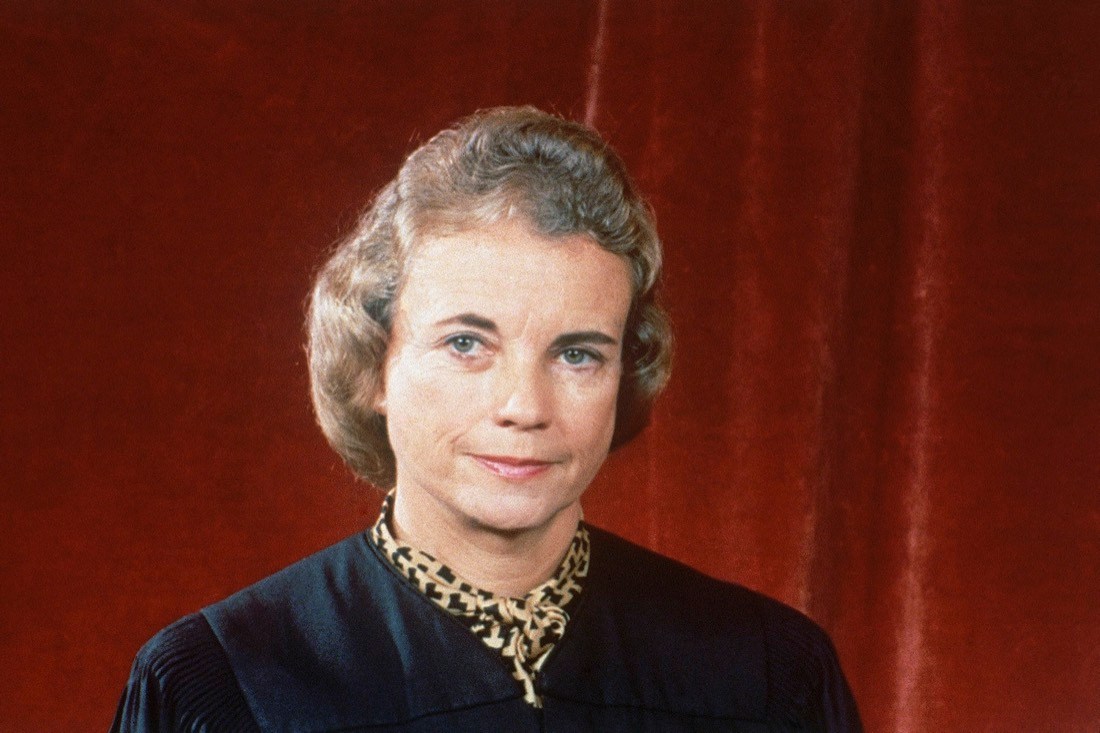
WASHINGTON (AP) – Sandra Day O’Connor was nervous when she joined the Supreme Court in 1981 as the nation’s first female justice.
“It’s all right to be the first to do something, but I didn’t want to be the last woman on the Supreme Court,” O’Connor said in 2012. “If I took the job and did a lousy job it would take a long time to get another one, so it made me very nervous about it.”
Now, President Joe Biden is preparing to put another woman in the role of a historic first on the court. The person he wants to be first Black female justice will become an instant celebrity – and face a unique set of pressures.
Just being the new justice on the nine-member court can be an adjustment. Justice Amy Coney Barrett recently described learning the job as “like learning to ride a bike with everybody watching you.” The court’s newest justice – the fifth woman in the court’s history – said in an appearance this month that “being a public figure is a lot to get used to.”
That will only be magnified for Biden’s nominee, who will immediately join the ranks of court firsts.