
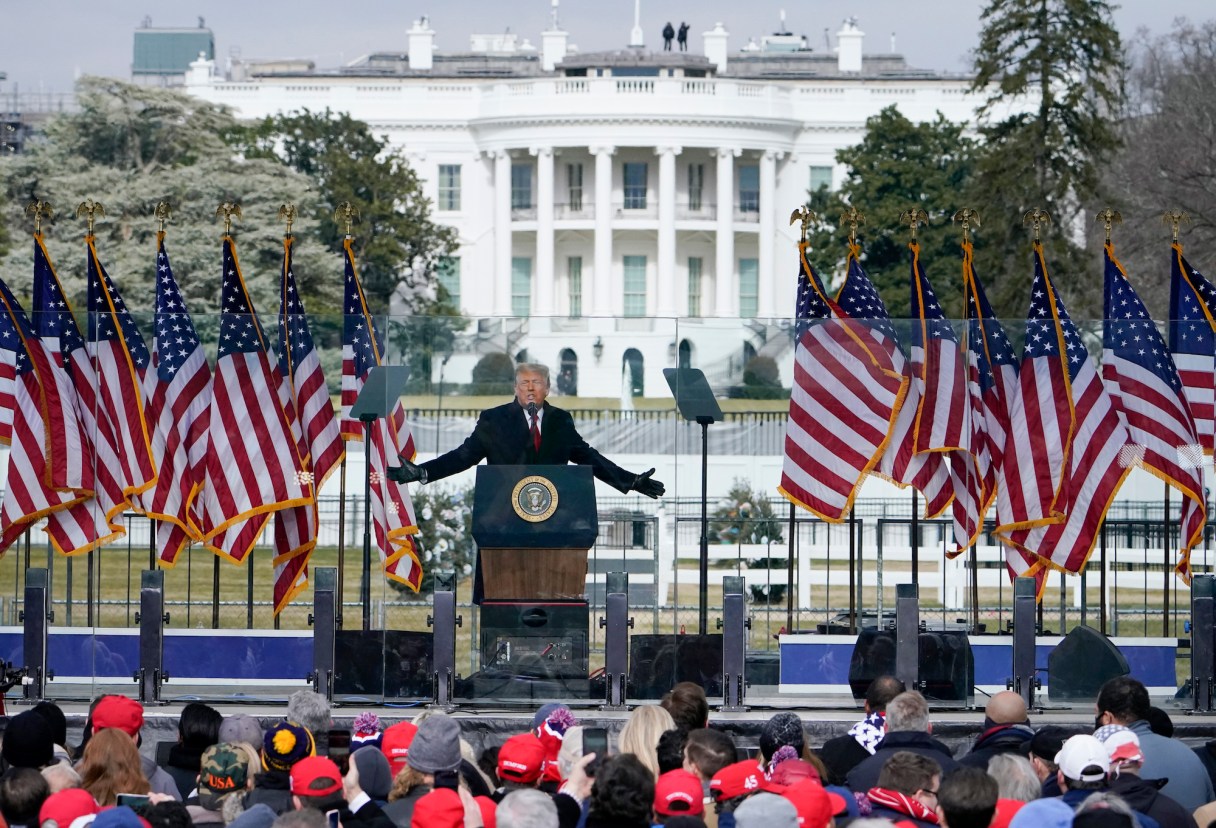
Most of the time I think that some of the things that political scientists and smart journalists are teaching are getting through. And then, sometimes, we get something like this from an unnamed member of the committee of the House of Representatives that’s investigating the assault on the U.S. Capitol of Jan. 6, 2021. Speaking about the report the committee’s preparing, the lawmaker said, “There’s one-third of the nation that will read it, one-third that might read it, and one-third that won’t even believe it.”
So the committee thinks that its potential audience is two-thirds of the nation? A third of the nation wouldn’t read a 600-word statement from a newly emerged divinity explaining what the new era of peace and enlightenment was going to be like. There’s no way – no way – that anything like a third of the nation, let alone two out of three people, is going to read the Jan. 6 report.
This doesn’t mean the report is useless. For one thing, quite a few opinion leaders will familiarize themselves with the highlights, and some will actually read it, and what they learn from it will filter out to the public. Still, the public has two important defenses against absorbing new information. One is various degrees of inattentiveness; few people pay close attention to the news, and some hardly notice even major events. The other is partisanship. The committee’s findings are certain to reflect badly on former President Donald Trump, so partisan Democrats will be eager to accept and remember those findings, while partisan Republicans will resist them.
The House Select Committee to Investigate the Jan. 6 Attack has pushed its public hearings back again and again, now to sometime in May – that is, some 16 months after the insurrection and Trump’s final attempts to subvert the 2020 presidential election.
There’s simply no good excuse for this. It’s easy to overstate the potential of hearings, which are subject to some of the same inattentiveness and partisan screens that limit the impact of any report. Even the Senate Watergate hearings were only part of what eventually produced President Richard Nixon’s resignation. And those were the most successful such hearings in the TV era.
But hearings at least have a chance. Live testimony can produce great TV. And while even a successful rollout of a report will be hard to keep in the news for more than a few days, a series of hearings can produce weeks of developments.
The structure of the committee – it’s small, with two Republicans who are strong Trump opponents – gives it advantages in presenting what it wants to present and how. Live hearings can’t dominate the media landscape the way they could 50 years ago, but even then the live audience was only a piece of how information was disseminated. Now? A fair number of people still watch the broadcast network news and the broadcast network morning shows. Those who don’t may see clips on social media.
It’s an uphill battle, but hearings have a chance to make a dent in public awareness and even opinion. If there are going to be high-level prosecutions, which is a choice the Justice Department and not the committee will make, public hearings could set the stage for them. If not, they might convince those who do pay attention that what Trump and his allies did was important and a threat to the nation.
By waiting this long to start those hearings, the committee has already made that uphill battle harder. And while a full report is certainly worth doing, especially given that new information may show up after the hearings end, the last thing anyone should expect is that the report will be drive public opinion.
Bloomberg