
TOKYO (AP) — A United Nations human rights expert urged Japan’s government on Friday to provide evacuees from the Fukushima nuclear plant disaster with more support, including housing, jobs and other needs, regardless of whether they fled forcibly or not.
Wrapping up an investigation of the evacuees’ human rights conditions, Cecilia Jimenez-Damary said Japan has adequate laws to protect internally displaced people. They include a nuclear disaster compensation law that requires the plant operator, Tokyo Electric Power Company Holdings, to cover damages, and other government-led revitalization and reconstruction programs. But she said they have not been effectively used to address the vulnerability of the evacuees.
“Those laws should not remain just laws on the books, but they should be implemented,” she said. “Unfortunately, because they are not fully implemented, to a certain extent, this explains the proliferation of litigation against TEPCO and the government.”
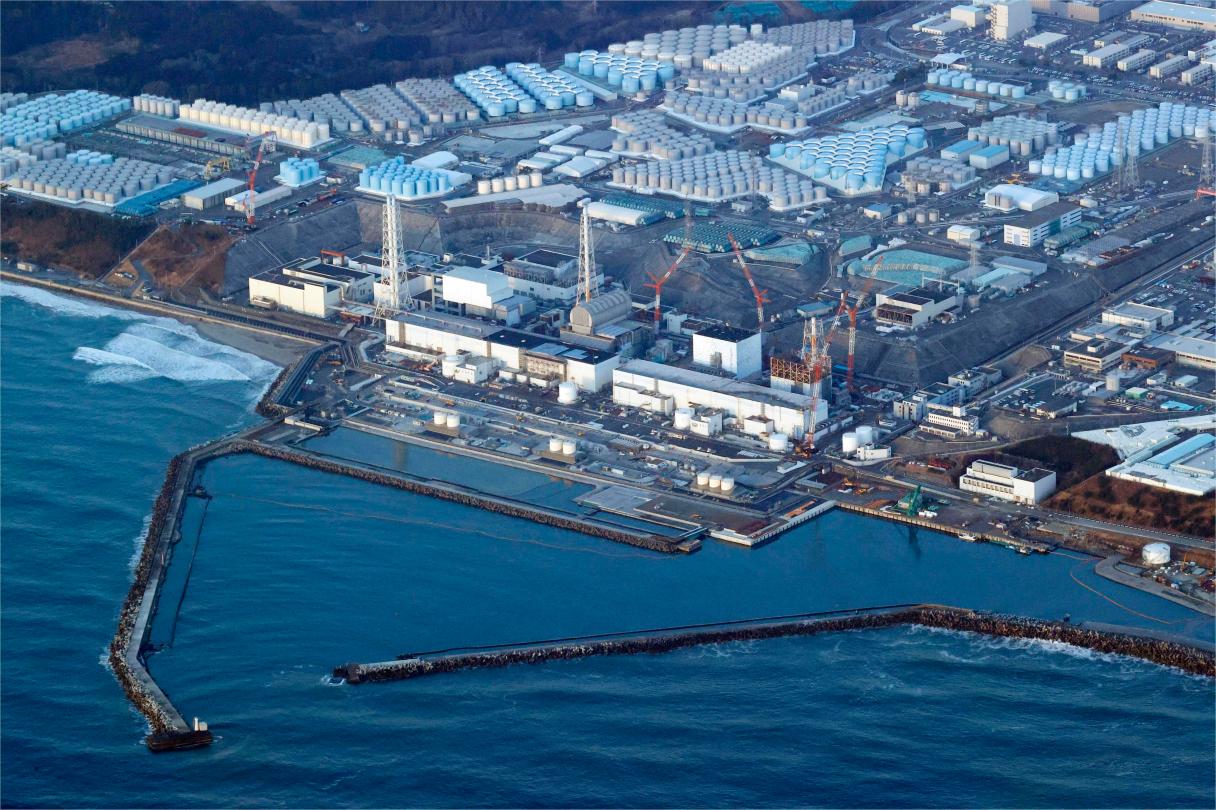
Three reactors at the Fukushima Daiichi nuclear plant melted after a massive earthquake and tsunami on March 11, 2011, knocked out cooling systems, releasing large amounts of radiation and displacing more than 160,000 people at one point. About 30,000 people remain displaced in and outside of Fukushima.
Thousands of people have filed about 30 lawsuits demanding compensation from both the government and TEPCO for the loss of livelihoods and communities because of the disaster. The Supreme Court in July dismissed four lawsuits, saying the government cannot be held liable because the damage from the tsunami that hit the plant could not have been prevented even if measures had been taken.