

DUNLAP, Tenn. — A $14.6 million federal grant for infrastructure improvements could change the face of the south end of Dunlap, Tennessee, but many details will arise from public planning meetings as ideas are tweaked.
“It’s the biggest project since they put in Highway 127 to begin with,” Dunlap Mayor Clint Huth said Thursday at his City Hall office. “It’s the largest grant the city’s ever received.”
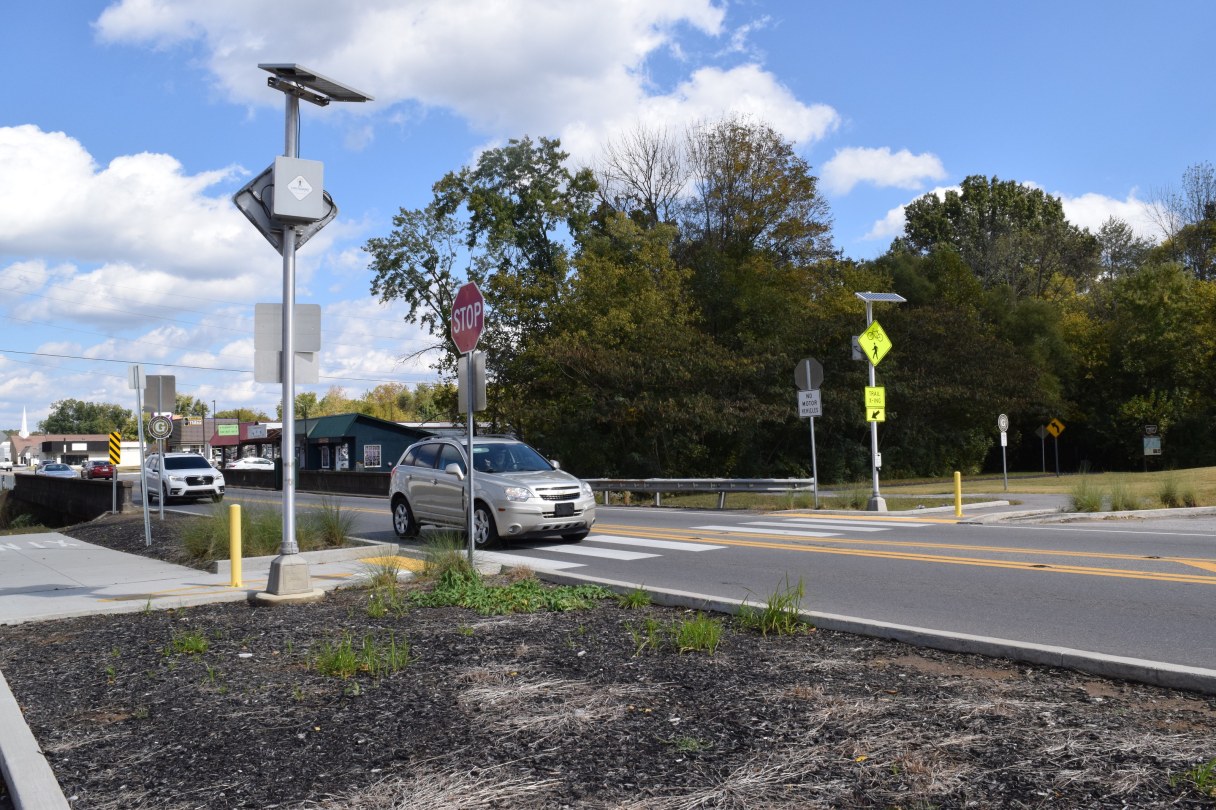
Plans include bicycle lanes, Americans with Disabilities Act-compliant pathways, vehicle lanes, stormwater runoff management, new curbs and curb ramps, a new network of pedestrian walks, crossing points, pedestrian bridges and wireless broadband along Rankin Avenue, the city’s main drag, according to Huth and federal officials.
The project area runs from just north of the Coops Creek Bridge on U.S. Highway 127/Rankin Avenue to the intersection with State Route 28 and Main Street, according to Huth. One idea for that intersection — which also is near the county’s three schools and would handle much of the traffic at arrival and dismissal times — is a roundabout which, if built, would be a first for Sequatchie County, Huth said.
Stormwater improvements are a longtime need, Huth said. Dunlap floods when lengthy, heavy rains soak the Sequatchie Valley and push its namesake river out of its banks along with Coops Creek, a tributary that runs through the center of town before emptying into the Sequatchie River and then on to the Tennessee River.