
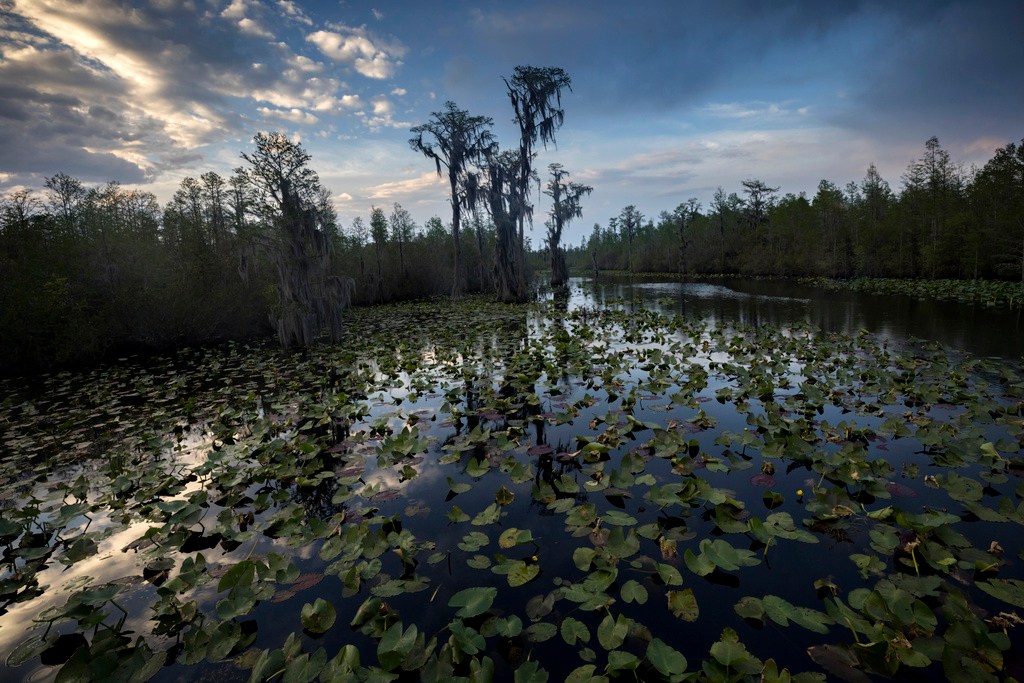
The push by a large coalition of Georgia legislators to protect the Okefenokee Swamp from mining failed this session even before legislators could vote on a panel to study ways to protect the diverse wildlife refuge.
The failure of Georgia legislators to pass bills designed to protect the Okefenokee natural resource was another blow to environmentalists who have tried to block the surface mining permit for the past several years. Twin Pines Minerals of Alabama is asking state environmental regulators to approve its plan to dig for heavy minerals 3 miles from the Okefenokee National Wildlife Refuge
An Okefenokee mining protection bill was filed early in the session. Thomasville Republican Rep. Darlene Taylor’s House Bill 71 limited the future expansion of surface mining along barrier regions of the Okefenokee Swamp, and it prohibited companies — like the Alabama-based company — from modifying or renewing their mining applications. Taylor said her concern about development on the edge of the swamp stems from her years living in South Florida, where the Everglades was ravaged by modern society’s intrusions.
An eye-popping 90-plus bipartisan group of lawmakers signed on as sponsors for Taylor’s legislation. However, the bill was never presented to the House Natural Resources Committee despite already having demonstrated it had enough votes to clear the full chamber.
(READ MORE: What passed and what failed to advance with Georgia lawmakers)