
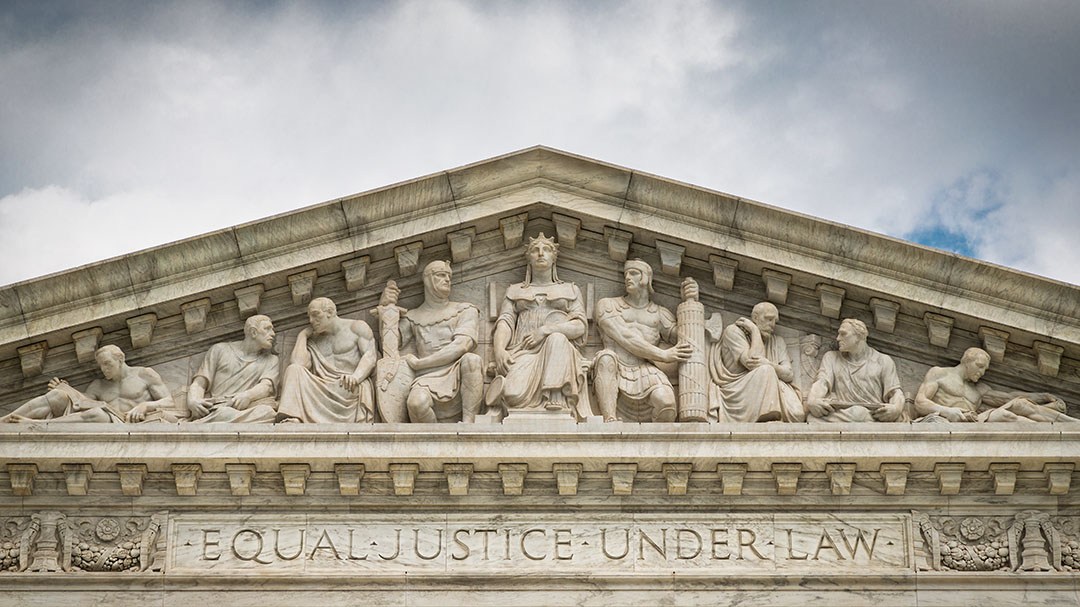
Calls for a “formal” or “enforceable” code of ethics for the Supreme Court imply that no ethics rules or guidelines exist, that Congress has the authority to impose such a code, and that a genuine concern about ethics is the real motivation. None of these is true.
Every discussion of this issue should begin with a crucial distinction: The Constitution, not Congress, created the Supreme Court. Congress does not have the same authority over the Supreme Court as it does over courts that it has created. Simplistic assertions that the Supreme Court should be treated the same, therefore, are misguided at best, and misleading at worst.
The federal law requiring recusal “in any proceeding in which (a judge’s) impartiality might reasonably be questioned” or in various specific circumstances applies equally to Supreme Court justices. So do the laws, such as the Ethics in Government Act, requiring federal officials to disclose many aspects of their finances.
Justices file disclosure reports the same way that lower court judges do. In addition, the Supreme Court in 1991 adopted a resolution agreeing to follow the Judicial Conference’s regulations regarding limitations on gifts and outside income that apply to lower court judges.
The observation remains that the Code of Conduct for United States Judges applies to the lower federal courts but not to the Supreme Court. The code comes from the Committee on Codes of Conduct of the Judicial Conference of the United States. Congress created the Judicial Conference in 1922 to guide and set policy for the courts that Congress creates. The Supreme Court is not one of them.