
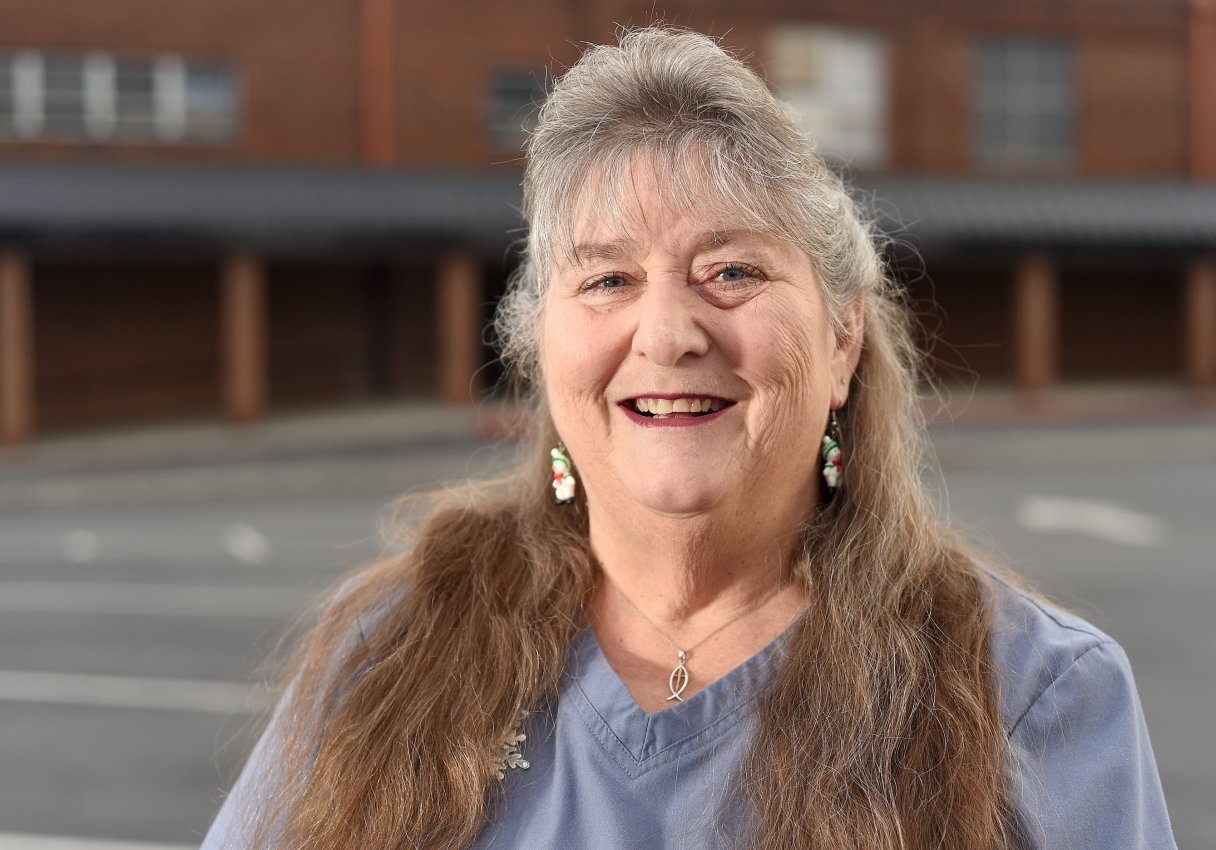

A single grandmother in her 60s, Darlene Dove has struggled over the years to raise four grandchildren on her own.
Three years ago she moved from her native Lexington, South Carolina, to Spring City, Tennessee, to escape her former hometown, which she felt had become overcrowded and overdeveloped, to seek out a more rural environment for herself and her last two grandchildren still in her custody, ages 12 and 17.
“I just always heard Tennessee was a beautiful place, so I grabbed up my little ducklings and off I went,” Dove said.
Then in January, Dove, who provides home health care, had her hours reduced when the person she was caring for passed away, she said.
(READ MORE: Neediest Cases helps family restore running water to Spring City home)
With less money coming in due to her reduced hours, Dove was unable to cover her electric and gas bills. She went to the United Way of Rhea County for assistance and received a $500 grant from the Chattanooga Times Free Press Neediest Cases Fund to keep her utilities on until her employer found a new client for her to care for full-time.
Since then, she said she’s taken classes online to become a medical assistant to make more money in a job with more consistent hours.
Fueled by donations from Times Free Press readers, the Neediest Cases Fund provides one-time assistance to people who, through no fault of their own, find themselves unable to meet their basic needs.
“It’s good for people to donate to stuff like that, because there’s a lot of people out there like me right now, grandparents raising grandkids,” Dove said. “There’s a lot of need out there.”
(READ MORE: Neediest Case Fund provides merry Christmas for Rhea County single mother of three)
The Times Free Press Neediest Cases Fund was started in 1914 by Adolph Ochs, then the publisher of The Chattanooga Times. The fund receives donations from Times Free Press readers, and the money is administered and distributed to individuals and families in need by the United Way of Greater Chattanooga and partner agencies.
Recipients must be working or on a fixed income and be able to demonstrate ongoing stability and self-sufficiency after receiving Neediest Cases funds. According to United Way figures, the Neediest Cases Fund took in more than $57,000 last year.
Contact Emily Crisman at ecrisman@timesfreepress.com or 423-757-6508.