
After learning in 2020 that he and his fellow Honda Motor Co. Ltd. workers wouldn’t receive a summer bonus because of pandemic-induced plant shutdowns, Joab Scott launched the “Honda Associates United!” group on Facebook to discuss with coworkers the possibility of organizing his workplace in Marysville, Ohio.
That group today has more than 2,800 members. Most, Scott said, have joined in the past few months amid the United Auto Workers’ negotiations with the Detroit Three automakers, a 40-plus-day strike against all three, ratification votes of record contracts and now an unprecedented campaign launched last week seeking to double the UAW’s membership of 146,000 autoworkers and organize 13 non-union automakers, including Honda.
“I think people who had never given a thought to a union stopped and started thinking about a union,” said Scott, 50, of Chillicothe, Ohio, who’s worked at Honda for more than 17 years and is a member of the Marysville voluntary organizing committee, about the impact of this year’s talks. “There’s a definite change in attitude.”
That attitude isn’t limited to Honda workers in Ohio. Last week, the UAW said 30% of the workers at Volkswagen AG’s assembly plant in Chattanooga, Tenn., had signed cards expressing support for organizing. They’d join parts distribution workers at Nissan Motor Co. Ltd. in New Jersey who have organized.
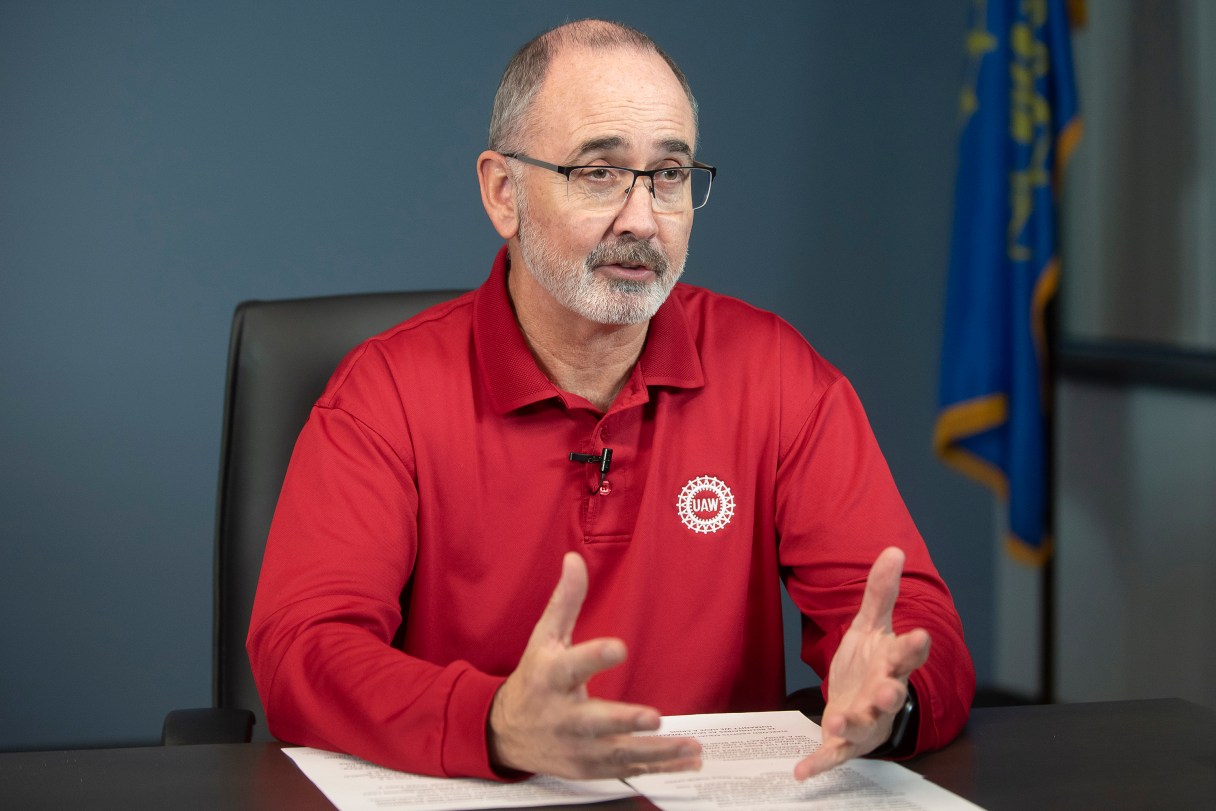
UAW President Shawn Fain met with dozens of workers last week at Toyota Motor Corp.’s plant in Georgetown, Kentucky, and a Toyota manufacturing Facebook group is full of posts related to the UAW’s efforts. And earlier this year, the union won a card-check agreement from Sparkz, a California battery startup. They’re early signs of a stirring groundswell of support for the UAW among non-union automakers and suppliers.